Skip to content


The Four Most Important Parameters in Pulse Laser Cleaning Control

When operating a handheld pulse laser cleaner, precise control of four interrelated optical and mechanical parameters determines whether you achieve spotless contaminant removal or risk damaging the underlying substrate:
- Laser Power (W): Determines energy density and ablation threshold efficiency.
- Laser Frequency (kHz): Controls pulse repetition rate and overlap distribution.
- Laser Pulse Width (ns): Governs thermal dissipation versus instantaneous vaporization.
- Mirror Frequency (Hz): Regulates galvanometer scanning velocity and beam pattern geometry.

1. Laser Power
Laser power is a crucial parameter that determines the energy intensity of the laser beam. In pulse laser cleaning, higher laser power means more energy is delivered to the surface of the object being cleaned per unit time. This enables the laser to more effectively break the bonds between dirt, rust, coatings, and the substrate material, facilitating their removal.
For example, when dealing with thick and tough rust layers on metal surfaces, a higher laser power is often required to ensure thorough cleaning. However, if the power is excessively high, it may cause thermal damage to the substrate surface, such as micro-melting, grain distortion, or unwanted annealing. Therefore, appropriate laser power must be calibrated according to the specific cleaning requirements and substrate thermal tolerance.
2. Laser Frequency
Laser frequency refers to the number of laser pulses emitted per second. It directly dictates the pulse-to-pulse overlap ratio and the uniformity of the cleaned surface. A higher laser frequency means more laser pulses act on the surface within a given timeframe, which accelerates travel speed and yields a smoother, more uniform cleaning finish.
For large-area surface conditioning, higher frequencies help cover square footage rapidly. Conversely, if the frequency is pushed beyond optimal heat dissipation limits without sufficient traverse speed, excessive heat accumulation can occur, compromising delicate substrates. Balancing frequency with scan speed is essential for zero-damage results.
3. Laser Pulse Width
Laser pulse width is the temporal duration of each individual laser pulse (typically in nanoseconds). It controls the fundamental physics of laser-material interaction: instantaneous ablation versus thermal conduction.
A longer pulse width applies laser energy over a slightly longer timeframe, increasing thermal soaking into stubborn contaminants. However, for sensitive materials such as antique woodwork, injection molds, or thin sheet alloys, a shorter nanosecond pulse width is critical: it concentrates peak power to vaporize surface oxides instantaneously before heat can diffuse into the substrate.
4. Mirror Frequency (Scanning Velocity)
The mirror frequency governs the oscillating speed and sweep trajectory of the internal galvanometer mirror. The galvanometer drives the laser beam back and forth to create linear, circular, or cross-hatched cleaning swaths.
A higher mirror frequency enables the laser beam to scan across target areas rapidly and evenly, preventing thermal dwell spots on localized contours. This precise control is vital when cleaning complex geometric geometries, stepped edges, microelectronic tooling, or high-value cultural artifacts.
Pulse Laser Cleaning Test Across Different Substrates
Because substrate density and ablation thresholds vary drastically, fine-tuning these four parameters is required for different industrial and restoration materials:

Pulse Laser Cleaning Test 01 - Paper
Demonstrating ultra-gentle thermal confinement: surface soot and print ink can be selectively vaporized from thin, combustible paper without scorching cellulose fibers.

Pulse Laser Cleaning Test 02 - Wood & Architectural Timber
Restoring antique furniture, charred beams, and historical moldings by eliminating old varnish and smoke layers while preserving natural grain character.

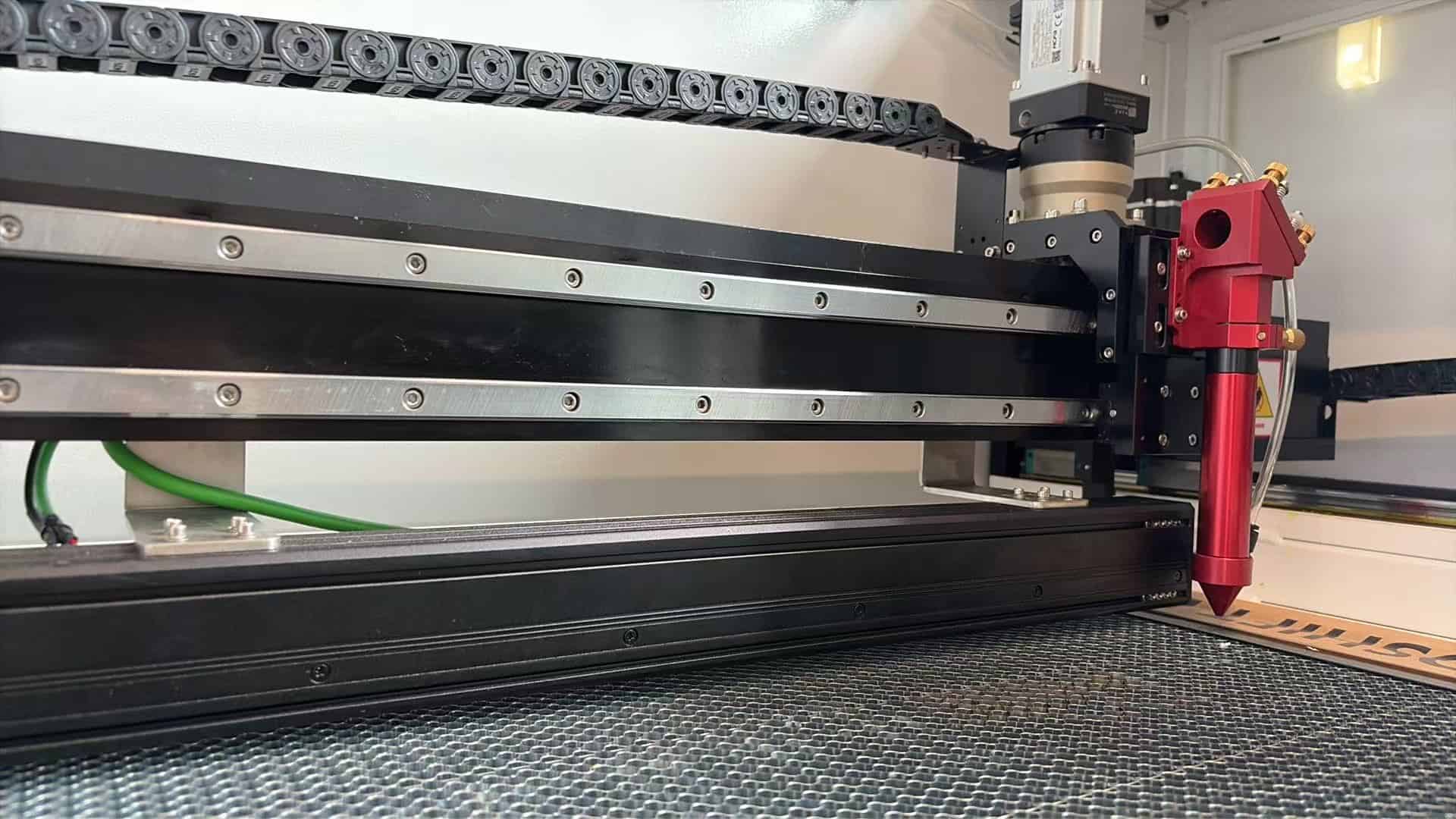
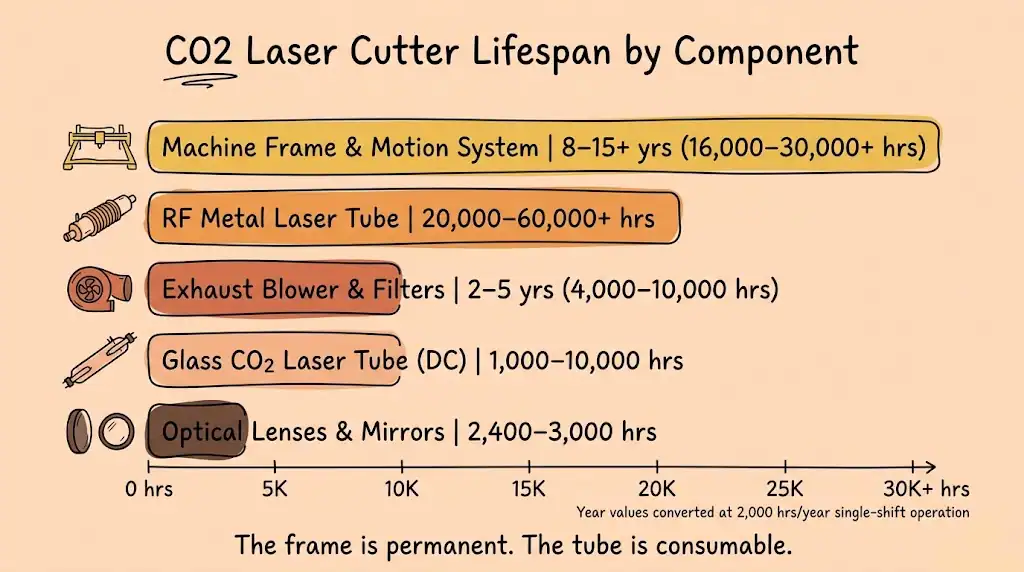
Looking for industrial timber cutting, intricate filigree, or 3D relief routing? Explore our factory-direct industrial CO2 laser cutters and engravers.
Pulse Laser Cleaning Test 03 - Stainless Steel (SUS)
Precision oxide and discoloration removal after welding, restoring stainless steel corrosion resistance without chemical pickling or abrasive grinding.

Pulse Laser Cleaning Test 04 - Coating & Paint Stripping
Layer-by-layer selective ablation of industrial primers, epoxy coatings, and enamel finishes from tooling and machinery housings.

Pulse Laser Cleaning Test 05 - Heavy Rust & Scale
Thorough rust remediation on structural steel, iron castings, and pipe sections without micro-abrasion or toxic media waste.

Key Advantages of Redshift Laser Cleaning Machines
- Industry Standards Pioneer: Spearheading the formulation of national laser cleaning technical standards, establishing recognized benchmarks for surface preparation.
- Proprietary Optical & Control Engineering: In-house developed intelligent control systems and high-durability handheld cleaning heads with complete independent intellectual property rights.
- Turnkey Automation Capabilities: Engineering customized systems ranging from machine-vision robotic cleaning cells to synchronized laser welding-and-cleaning production lines.
- Extreme Environmental Durability: Engineered for continuous 24/7 industrial duty cycles under harsh workshop conditions including broad temperature swings, high humidity, airborne dust, and smoke.
Watch Handheld Pulse Laser Cleaning in Action
See real-time parameter tuning and surface restoration across various substrates:
Industrial Parameter Consultation & Free Sample Testing
Every substrate—from antique timber and architectural stone to injection molds and aerospace alloy—requires exact pulse energy matching to prevent substrate degradation while maximizing cycle time.
- Free Application Lab Testing: Send us your test parts for zero-damage parameter recipe optimization
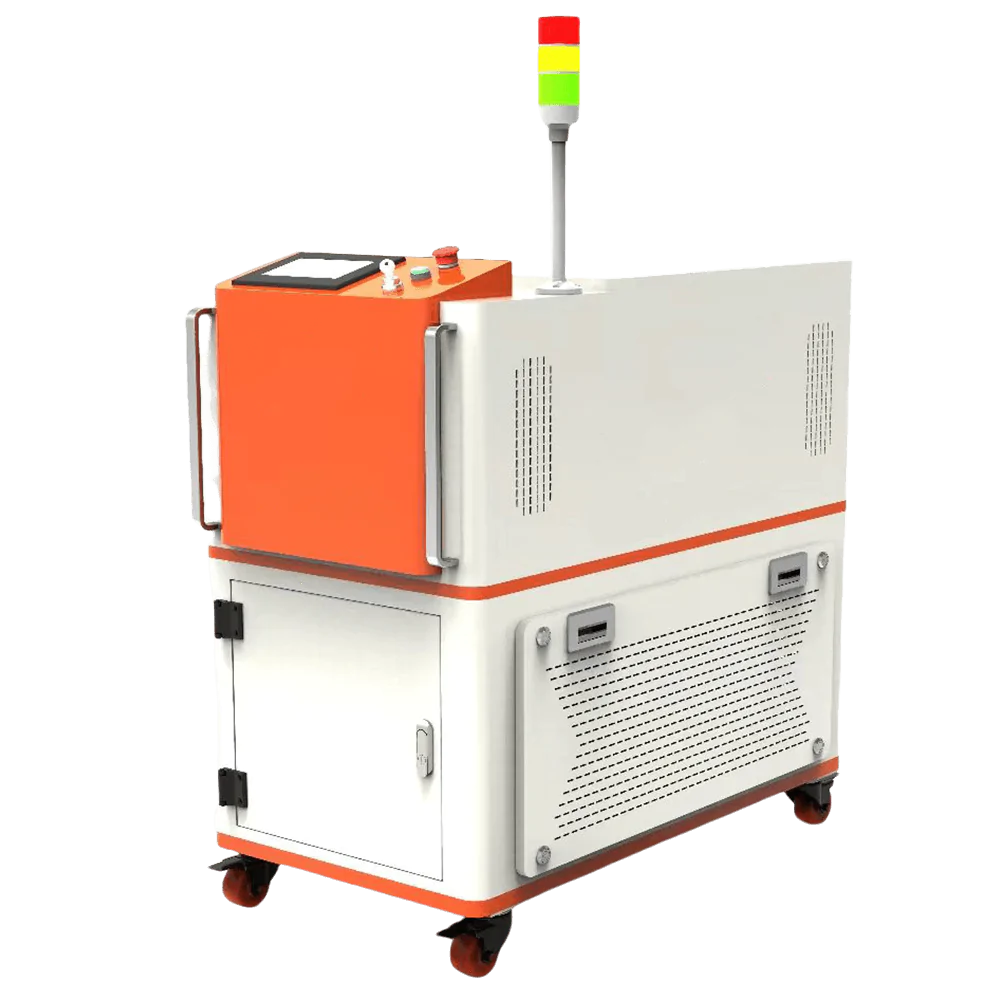
- Equipment Portfolio: 100W–500W pulse cleaners, continuous-wave fiber cleaners, and precision CO2 cutters