Skip to content

Struggling to get clean, precise cuts on fiberglass with traditional tools? You're likely dealing with frayed edges, rapid tool wear, and a workshop filled with hazardous dust. It feels like a constant battle just to get a decent result, costing you time, money, and frustration. What if you could switch to a modern method that delivers perfect cuts every time, with no tool wear and a cleaner, safer process?
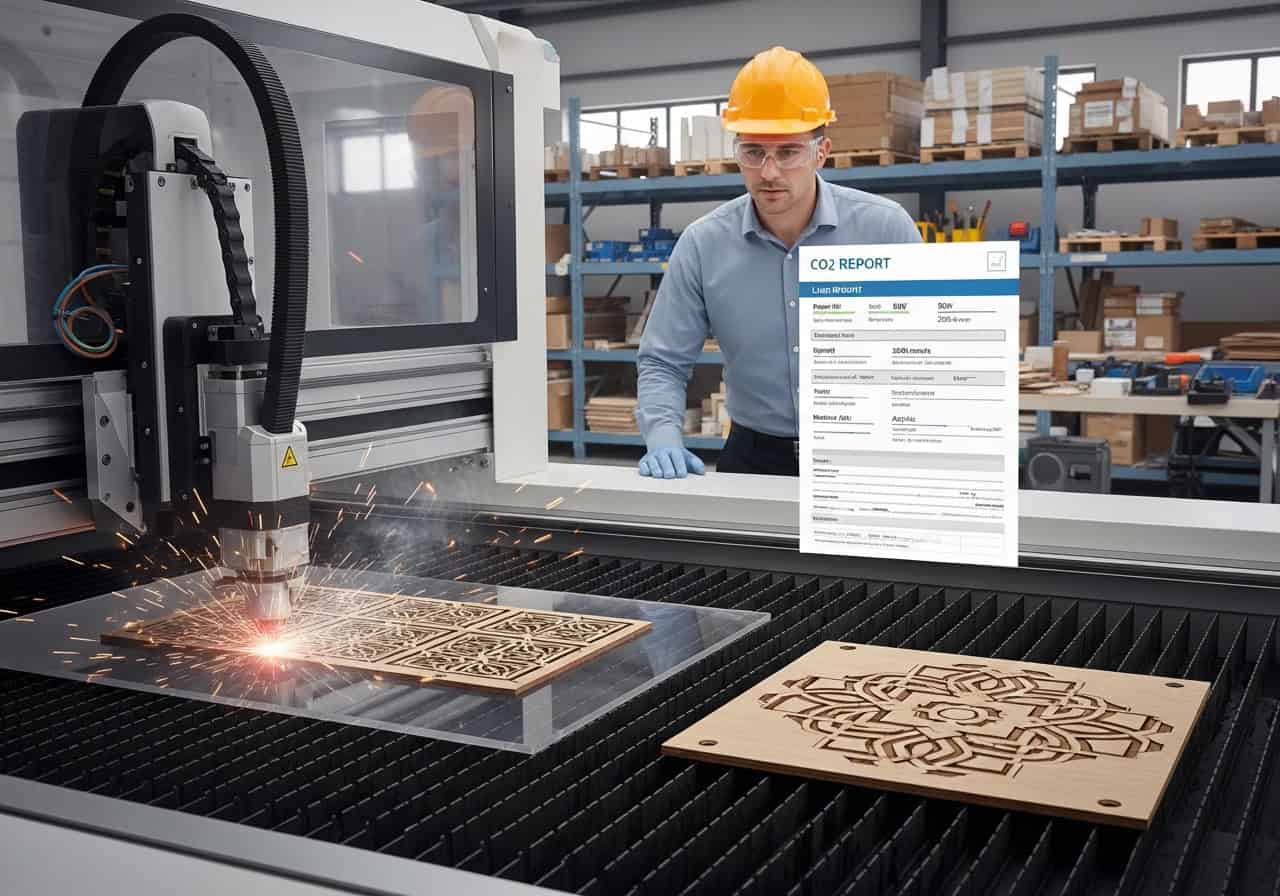
To cut fiberglass with a CO2 laser, you utilize a highly focused beam of light to vaporize the material along a precise path. This non-contact process requires dialing in the correct power and speed settings and using an efficient air-assist and ventilation system to manage fumes. The laser seals the material as it cuts, resulting in a clean, smooth edge that mechanical tools simply cannot match.

Over my 15 years in this industry, I've seen technology solve problems we used to just accept as part of the job. At Redshift Laser, I work with purchasing managers like my friend John, who is always searching for ways to improve efficiency and product quality. For years, cutting fiberglass was a major headache for his team. When we introduced them to the capabilities of our modern CO2 laser systems, it was a game-changer. The precision, speed, and clean finish transformed their production process. Let's explore why this technology is now the go-to solution for such a challenging material.
What Makes CO2 Laser Cutting Uniquely Suited for Fiberglass?
Are you tired of the limitations of traditional fiberglass cutting? Mechanical saws and routers create massive amounts of dust, wear down expensive blades incredibly fast, and struggle to produce the complex, intricate shapes modern designs demand.
This old way of working is inefficient and costly. The constant need to replace tools eats into your profits, while the rough, frayed edges require secondary finishing steps, slowing down your entire workflow. The CO2 laser cutter directly solves these problems, offering a far superior, modern approach. It’s not just an improvement; it’s a whole new paradigm for fiberglass fabrication.

The magic of the CO2 laser lies in its ability to deliver concentrated energy exactly where it's needed. This non-contact method replaces brute mechanical force with precise thermal energy. Instead of chipping and tearing at the material, the laser vaporizes it, creating a perfectly sealed, smooth edge that's ready for use right off the machine. This is how high-tech manufacturing achieves results that were once thought impossible.
Four Core Advantages of Laser Technology
When we talk about cutting fiberglass, the benefits of using a CO2 laser are clear and compelling. It addresses every major pain point of traditional methods.
Unmatched Precision: The laser beam can be focused down to a fraction of a millimeter. This allows you to create incredibly intricate patterns, sharp corners, and tiny cutouts that would be impossible with a saw or router. For components in electronics or automotive design, this level of precision is non-negotiable.
- No Tool Wear: Since the laser never physically touches the fiberglass, there are no blades or bits to become dull. This is a huge financial advantage. You eliminate the recurring cost of replacement tools and the downtime required to change them, leading to more consistent and cost-effective production.
- Enhanced Safety and Cleanliness: While cutting fiberglass does produce fumes, a CO2 laser system with an integrated fume extraction system contains and filters them effectively. This creates a much cleaner and safer work environment compared to the clouds of airborne dust generated by mechanical cutting, which pose a significant respiratory hazard.
- High-Speed Efficiency: CO2 lasers cut at remarkable speeds, dramatically increasing your productivity. For businesses that need to scale up production, the ability to cut parts faster without sacrificing quality is a massive competitive advantage.
| Feature | Traditional Cutting (Saws/Routers) | CO2 Laser Cutting |
|---|---|---|
| Precision | Low to moderate; struggles with complex shapes. | Extremely high; perfect for intricate designs. |
| Tool Wear | High; constant replacement of blades and bits. | None; eliminates replacement costs. |
| Waste & Cleanup | Creates significant hazardous dust and debris. | Produces manageable fumes, contained by an extractor. |
| Edge Finish | Rough, frayed, requires secondary finishing. | Smooth, clean, and sealed; no finishing needed. |
What are the Applications for Laser-Cut Fiberglass?
You might think of fiberglass as just an industrial material, but you're wondering where the high precision of laser cutting can be truly transformative. Can it move beyond simple panels into more detailed, high-value products?
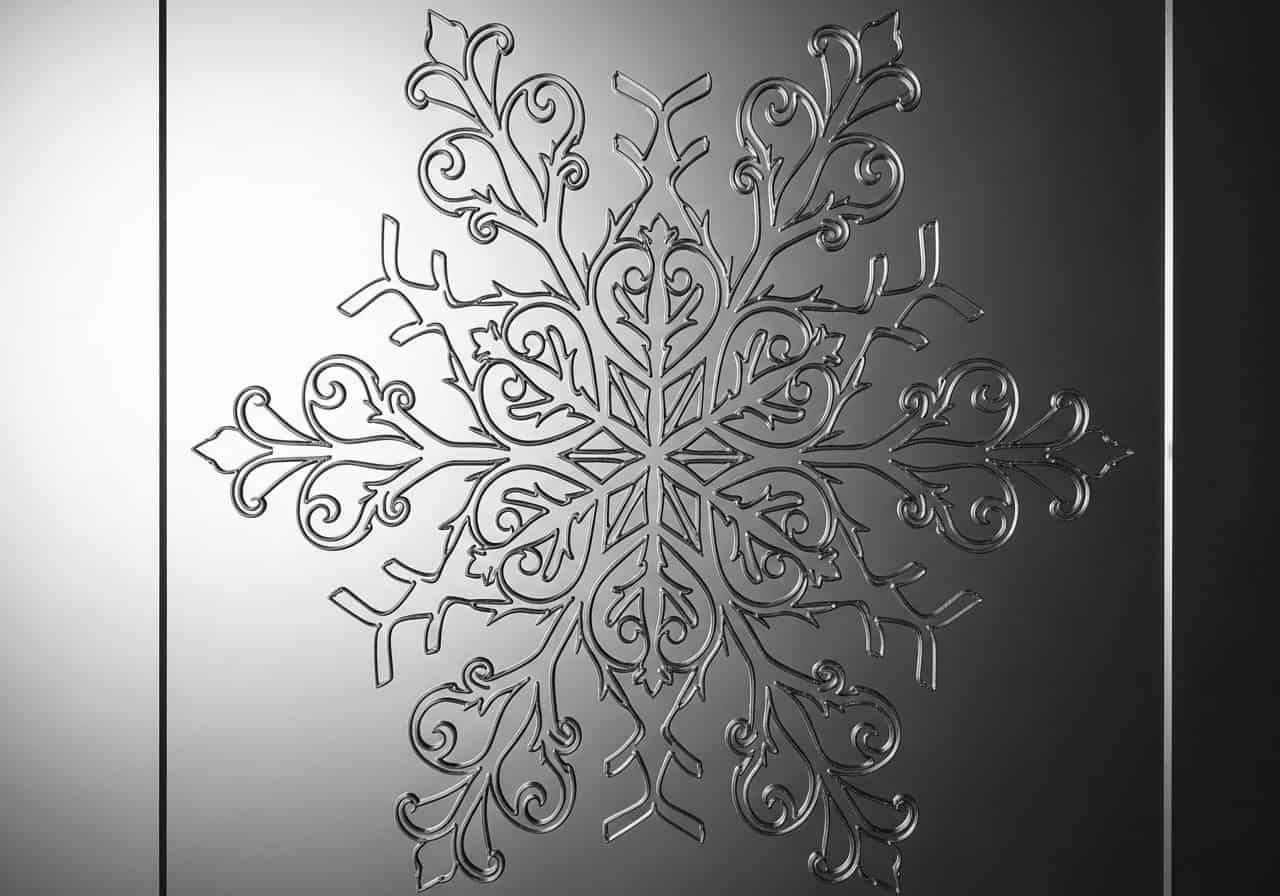
The answer is a resounding yes. The ability to cut intricate designs cleanly and quickly unlocks a world of possibilities across various industries. From custom automotive parts to stylish home decor, laser-cut fiberglass is becoming the key to innovation and superior quality. It allows designers and manufacturers to use this strong, lightweight material in ways they never could before.
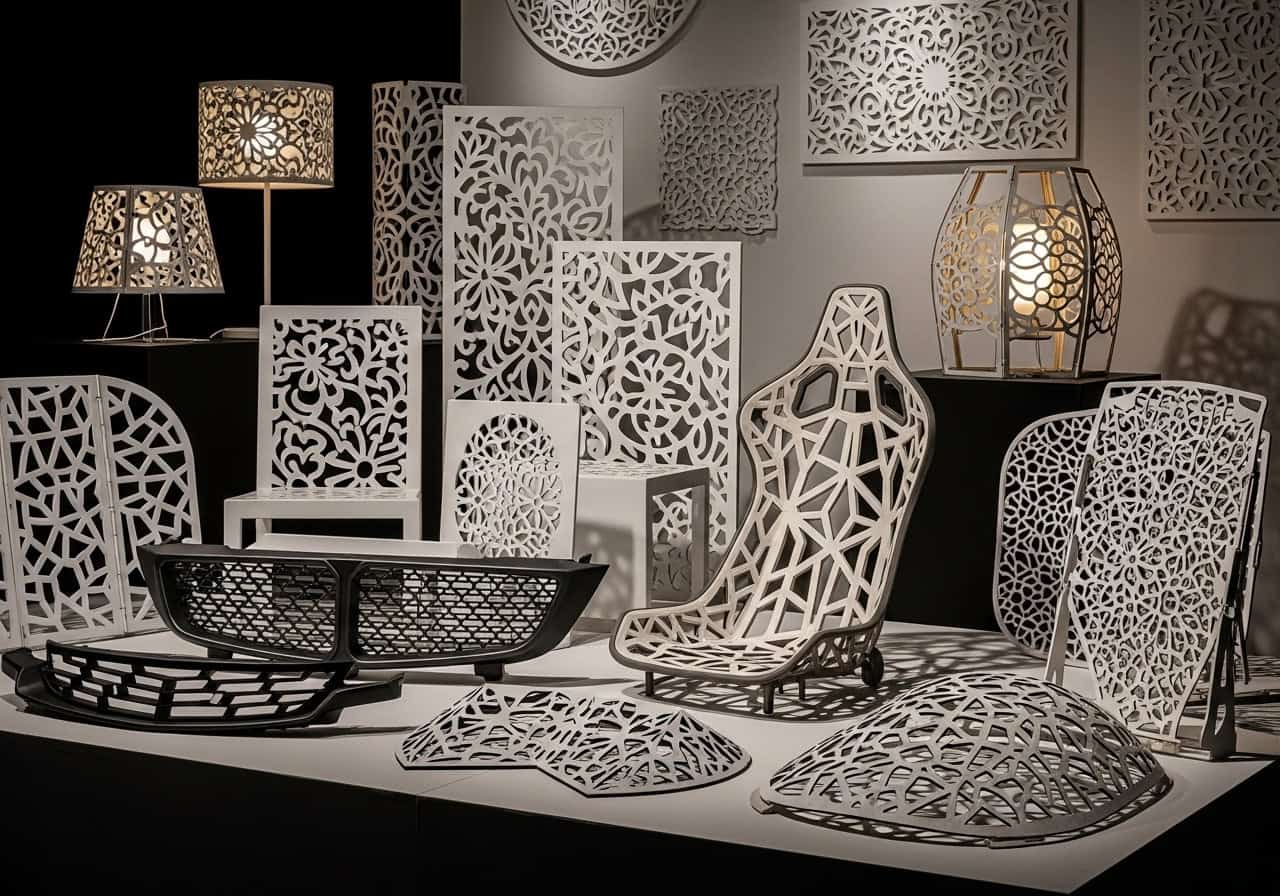
At Redshift Laser, we've helped clients bring incredible ideas to life. We’ve seen a marine company create perfectly fitted, custom hatches for their boats, and an interior design firm produce beautiful, intricate wall panels that became the centerpiece of a room. The common thread is that the CO2 laser gives them the creative freedom to fully exploit the properties of fiberglass, turning a functional material into something both functional and beautiful.
From Industry to Art
The versatility of CO2 laser cutting makes it valuable in almost any field that uses fiberglass.
- Automotive Industry: Manufacturers use lasers to create custom body panels, interior components, and dashboard elements. The lightweight strength of fiberglass combined with the laser's precision allows for creating aerodynamic parts that are both functional and stylish.
- Water Sports and Marine: Boat builders can craft perfectly fitted components like hatches, consoles, and structural supports. For gear like kayaks, paddleboards, and surfboards, lasers can cut precise shapes for fins and custom frames, enhancing performance and comfort.
- Home Decor and DIY Projects: The laser transforms fiberglass sheets into stunning decorative items. Imagine intricate wall art, custom lampshades, or unique furniture components. For DIY enthusiasts, the ability to execute complex designs perfectly opens up endless creative projects.
- Electronics and Engineering: In technical applications, lasers are used to cut non-conductive fiberglass mounting plates, insulators, and custom enclosures for electronic components, where precision and a clean edge are critical for a perfect fit.
How Do You Overcome Challenges in Laser Cutting Fiberglass?
You understand the benefits, but you may still be cautious. Isn't fiberglass known for being tough to work with? What about the fumes, and how do you find the right settings to avoid a burnt edge?
These are valid concerns, but modern CO2 laser systems are designed to address them head-on. The key is not just the laser itself, but the entire system working together. With the right machine, proper ventilation, and a little bit of knowledge, these challenges are easily managed. The process is far more controlled and repeatable than any manual or mechanical method.

Learning to operate a laser cutter for fiberglass is straightforward. For my clients, the initial setup involves testing a few power and speed combinations on a scrap piece to dial in the perfect settings. Once you find that sweet spot, you can save it and get the same perfect result every time. The integrated safety features and fume extractors on our Redshift Laser machines handle the environmental concerns, making the entire operation clean and professional.
Answering Your Key Questions
- Why is Fiberglass Hard to Cut Traditionally? Its composite nature—hard glass fibers embedded in a softer resin—wreaks havoc on mechanical tools. The abrasive glass dulls blades instantly, while the resin can melt and clog them. A laser bypasses this entirely by vaporizing the material without physical contact.
- Why is Laser Cutting Cleaner? A laser cut is a thermal process that vaporizes the material into fumes, which are immediately captured by an extraction system. Mechanical cutting, on the other hand, throws solid particles (dust) into the air, which are much harder to contain and pose a greater breathing risk.
- Can Beginners Operate a CO2 Laser for Fiberglass? Absolutely. Modern laser software is very user-friendly. With a brief training session and a few test cuts, even small businesses or DIYers can quickly learn to produce professional-quality results on fiberglass.
- How Does the Cost Compare? While the initial investment in a laser cutter is higher than a simple saw, the total cost of ownership is often lower. When you factor in the elimination of replacement blades, the reduction in wasted material, the lack of secondary finishing, and the massive increase in productivity, a CO2 laser quickly pays for itself.
Which Laser Machine is Recommended for Cutting Fiberglass?
You're convinced that a CO2 laser is the right tool for your fiberglass projects. Now, the critical question is which machine will give you the best performance, reliability, and value for your investment?
You need a machine that is not only powerful enough to cut through the material cleanly but also equipped with the right features to make the process easy and safe. This includes a robust chassis, a reliable laser source, intuitive software, and, most importantly, an efficient air-assist and fume extraction system. Choosing a high-quality, well-supported machine is the key to unlocking all the benefits we've discussed.

For cutting fiberglass, I consistently recommend our Redshift Pro Series to my clients. These machines are engineered for performance and reliability on tough materials. They feature a powerful laser tube, high-precision motion controls for a smooth cut, and a top-tier fume extraction system to ensure a safe working environment. John’s company recently upgraded to our Pro Series for their fiberglass production line, and he told me the increase in both speed and quality was "astounding."
Finding the Right Machine for You
When selecting a laser cutter for fiberglass, consider these key features:
- Laser Power (Wattage): For fiberglass, a laser with at least 80W-100W is recommended to ensure a clean, efficient cut without needing to run at excessively slow speeds. Thicker materials may require 130W or more.
- Air Assist: A strong air assist is crucial. It blows a jet of compressed air at the cutting point, which helps to clear debris, prevent flaming, and cool the material, resulting in a cleaner, less charred edge.
- Fume Extraction: This is non-negotiable for safety. A powerful extraction system pulls all fumes away from the work area and filters them, protecting the operator and keeping the workspace clean.
- Build Quality: A rigid, well-built frame ensures the machine remains accurate and reliable over years of use, even when running on demanding jobs.
Conclusion
When it comes to cutting fiberglass, the CO2 laser cutter has proven itself to be the superior modern solution. It systematically solves the core problems of traditional methods, replacing dust, tool wear, and imprecision with a clean, fast, and highly accurate process. By delivering a perfectly sealed edge with no physical contact, the laser not only boosts productivity but also opens up new possibilities for design and innovation. If you are ready to elevate your fiberglass fabrication, embracing CO2 laser technology is the clear and logical next step forward.