Skip to content

You need a laser machine, but the choices are confusing. Buying the wrong one means wasted money and a tool that can't do the job. I'll help you decide.
Choose a CO₂ laser for non-metals like wood, acrylic, and leather. Pick a fiber laser for marking and cutting metals like steel and aluminum. Your primary material determines the right choice. Understanding this fundamental difference is key to a smart investment.

In my five years with Redshift Laser, the most common question I get is, "CO₂ or fiber?" I've seen businesses thrive by choosing correctly and struggle when they guess. A purchasing manager I respect, John, always tells me his biggest fear is buying a machine that becomes obsolete or unsuitable in a year. He focuses on matching the tool to the job for the long run. There's no single "best" laser, only the one that is best for your specific needs. Let's break down the differences so you can make the right call for your business.
What Are the Key Differences Between CO2 and Fiber Laser Technology?
The technical specs sound like a foreign language. It's hard to make a smart choice when you don't understand the basics. I'll explain it in simple terms.
CO₂ lasers use a gas-filled tube to create a long wavelength (10,600 nm) beam, perfect for organic materials. Fiber lasers use diodes and fiber optics to produce a short wavelength (1,064 nm) beam that metals absorb easily. This core difference dictates everything.
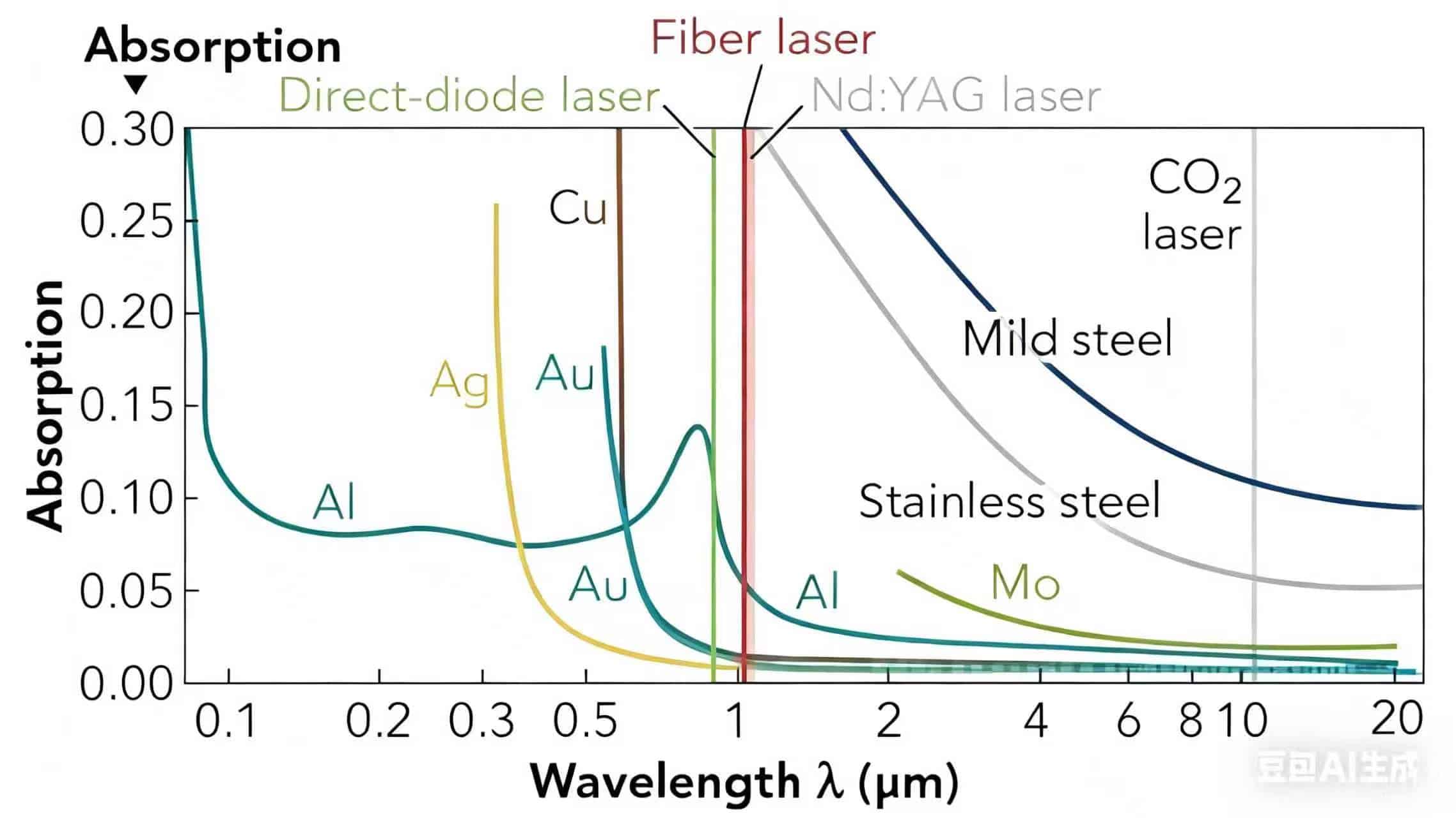
Think of the laser beam like a key and the material like a lock. You need the right key to open the lock. The wavelength of the laser is the key. CO₂ lasers create their beam by exciting a mixture of gases in a large glass tube. This produces a wavelength that non-metals love to absorb. Fiber lasers, on the other hand, use a solid-state source—diodes pump light through a fiber optic cable. This creates a much more intense, smaller beam with a wavelength that metals readily absorb. This difference in how the beam is made and what "color" it is (in terms of wavelength) is the most important thing to understand.
The Laser Source and Wavelength
The technology behind each laser is built for different tasks. CO₂ lasers generate their light in a fragile glass tube, which is a consumable part. The beam is then directed using a series of mirrors that must be perfectly aligned. Fiber lasers generate their light in a compact, durable unit and deliver it through a flexible fiber optic cable. This means no mirrors to align and a much more robust system.
| Feature | CO₂ Laser | Fiber Laser |
|---|---|---|
| Source | Gas mixture (CO₂, N₂, He) in a glass tube | Diodes exciting a fiber optic cable |
| Wavelength | 10,600 nm (Far-infrared) | 1,064 nm (Infrared) |
| Beam Delivery | Mirrors and optics (requires alignment) | Flexible fiber optic cable (no alignment) |
| Best For | Absorption by organic materials and non-metals | Absorption by metals |
Understanding this foundation makes every other decision easier.
Which Materials Work Best with CO₂ Lasers vs Fiber Lasers?
You bought a laser for a project, but it won't cut or mark your material. This common mistake leads to frustration and stalls your production. Let’s match the laser to the material.
CO₂ lasers are your go-to for non-metals: wood, acrylic, leather, glass, fabrics, and rubber. Fiber lasers are built for metals: stainless steel, aluminum, brass, titanium, and some specialized plastics. Don't try to force one to do the other's job.
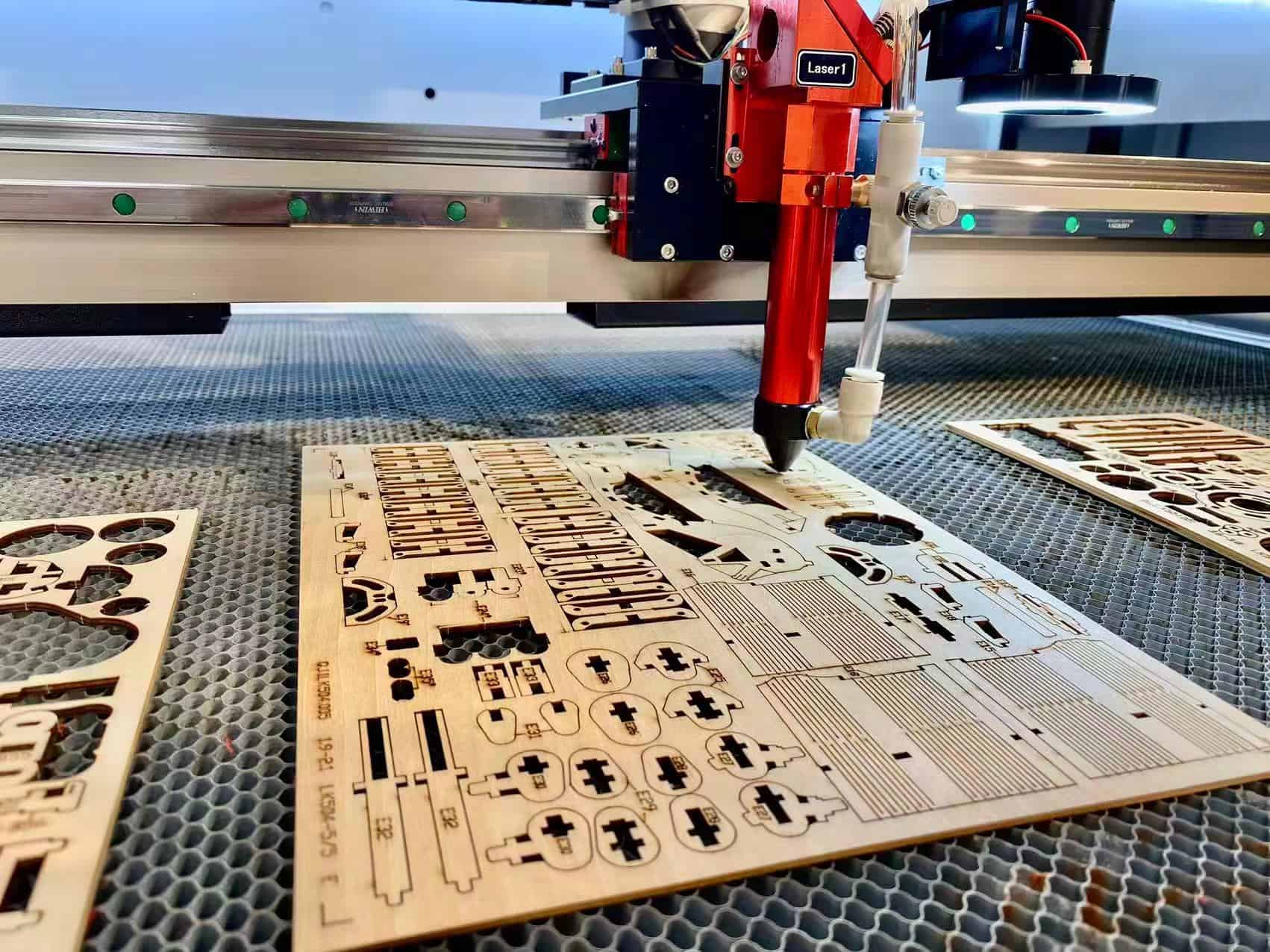
I once had a client who bought a fiber laser to engrave wooden gift boxes. It was a disaster. The fiber laser's wavelength just passed through the wood, charring it unevenly without a clean mark. They needed a CO₂ laser. On the flip side, trying to mark stainless steel with a standard CO₂ laser does almost nothing; the beam just reflects off the surface. Your material dictates the technology. A CO₂ laser's beam is absorbed by a wide range of organic materials, allowing it to cut and engrave with beautiful detail. A fiber laser's intense, focused beam is absorbed by metals, allowing it to mark, etch, and cut them with incredible speed and precision.
CO₂ Laser's Strong Suit: Organics and Non-Metals
If your business works with an array of non-metallic materials, the CO₂ laser is your most versatile tool. It's the workhorse of the personalization and sign-making industries.
- Wood: Cutting intricate designs, engraving photos and text.
- Acrylic: Flame-polished cuts for signs, detailed engraving.
- Leather: Precision cutting for patterns, branding logos.
- Glass: Etching custom designs (but not cutting).
- Paper/Cardstock: Creating detailed invitations and packaging.
Fiber Laser's Domain: Metals
For any application involving marking or cutting metal, fiber is the clear winner. It's the engine of modern industrial marking and fabrication.
- Stainless Steel: Creating permanent black anneal marks, deep engraving.
- Aluminum: Fast engraving, marking anodized surfaces white.
- Brass/Copper: Marking requires higher power, but results are excellent.
- Coated Metals: Ablating the coating to reveal the metal underneath.
Always test your specific material if you are unsure. A good supplier will happily an samples for you.
How Do Cost and Efficiency Compare Between the Two Options?
Your budget is tight, but you know that the cheapest option isn't always the best. You're worried about hidden costs eating into your profits. Let's look at the real numbers.
CO₂ lasers typically have a lower upfront purchase price. However, fiber lasers are far more energy-efficient and require almost no maintenance, resulting in a significantly lower total cost of ownership, especially for high-volume production.
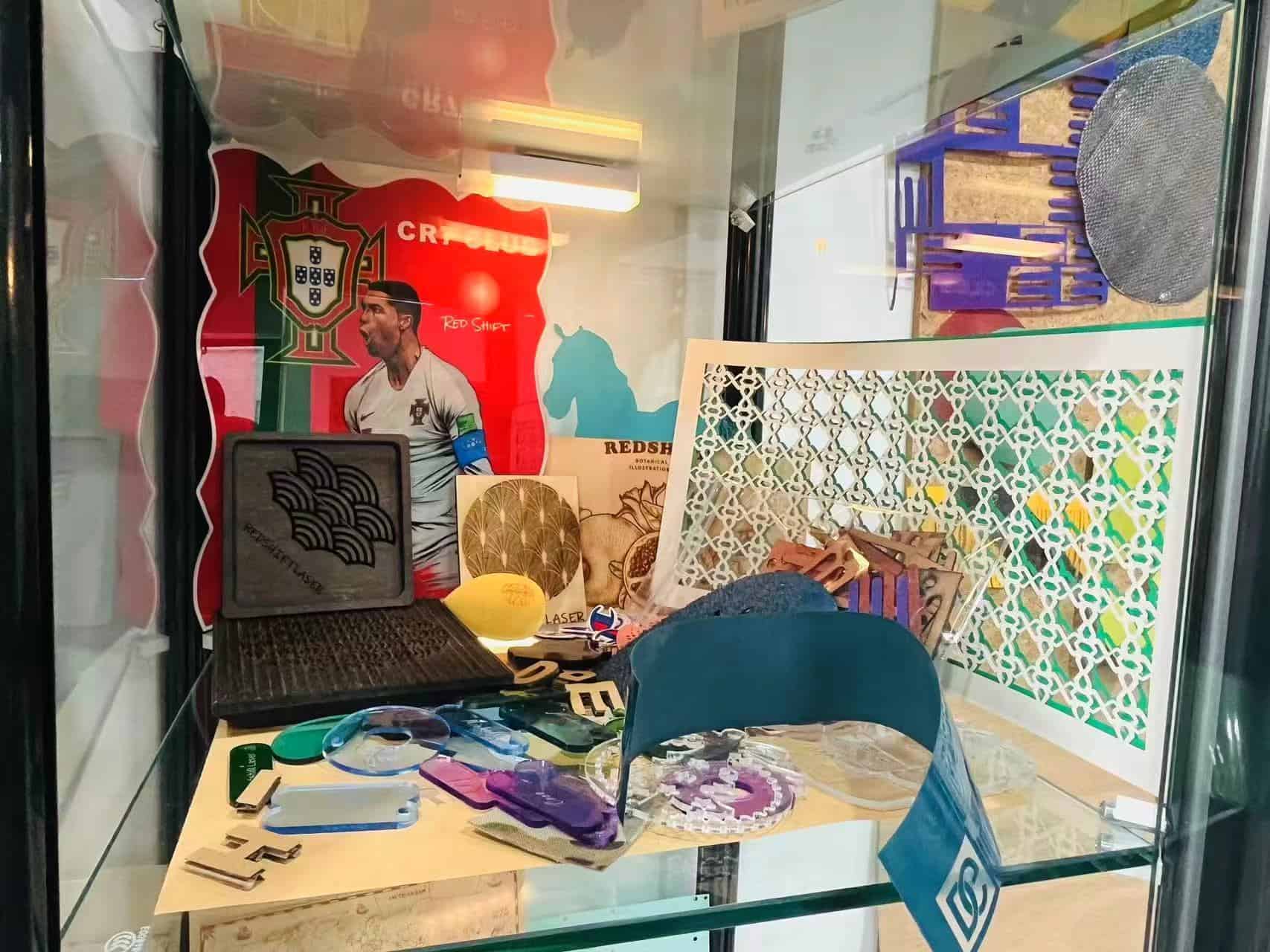
John, the purchasing manager, taught me to always think in terms of Total Cost of Ownership (TCO). A machine's price tag is just the beginning of the story. A CO₂ laser might be cheaper to buy, but you have to factor in electricity costs and consumable parts. The CO₂ glass tube has a limited lifespan, typically around 8,000-10,000 hours, and a replacement costs hundreds or even thousands of dollars. Fiber lasers, on the other hand, have a source that lasts over 100,000 hours. That's more than a decade of running 24/7. They also use a fraction of the electricity to produce the same power output.
Upfront Investment vs. Long-Term Savings
When you compare them side-by-side, the long-term picture becomes clear. The initial savings on a CO₂ laser can be quickly erased by its running costs if you plan on using it heavily.
| Cost Factor | CO₂ Laser | Fiber Laser |
|---|---|---|
| Initial Purchase | Lower | Higher |
| Power Efficiency | Low (~10-15%) | High (>30%) |
| Consumables | Laser tube needs replacement (8-10k hours). | None. Source lasts 100,000+ hours. |
| Maintenance | Mirror cleaning and alignment are required. | Virtually maintenance-free. |
| Total Cost (5 years) | Higher for industrial use. | Lower for industrial use. |
If you're a hobbyist or a small shop with light use, a CO₂ laser can be a great, cost-effective choice. If you are running a production line, the long-term economics of a fiber laser are almost impossible to beat.
What Should You Consider for Maintenance and Long-Term Use?
You need a machine that works reliably day in and day out. Downtime for maintenance or repairs costs you money and customers. A reliable machine is a profitable machine.
CO₂ lasers require regular maintenance, including cleaning mirrors and aligning the beam path, plus eventual tube replacement. Fiber lasers are solid-state systems that are virtually maintenance-free, offering superior long-term reliability for industrial applications.
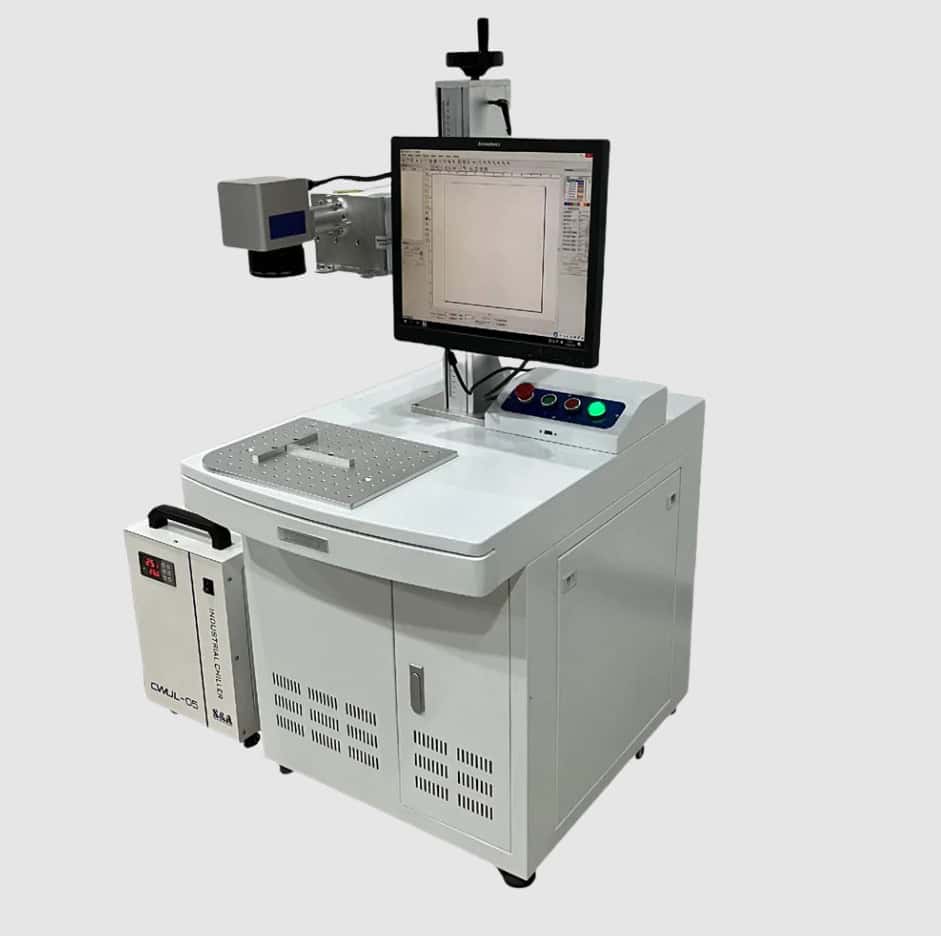
I can always tell how much experience someone has with lasers by what they ask about maintenance. New buyers focus on price; experienced users like John ask about uptime and reliability. The beam delivery system in a CO₂ laser relies on a series of mirrors to guide the beam from the tube to the work surface. If these mirrors get dirty or knocked out of alignment, performance drops dramatically. Operators need to be trained to clean and align them. A fiber laser has no such parts. The beam is contained within a fiber optic cable all the way to the focusing head. This makes it incredibly robust and immune to vibrations, dust, and misalignment.
Living with Your Laser
Think about your work environment and your team's technical skill.
- CO₂ Laser Maintenance:
- Daily/Weekly: Check and clean the lenses and mirrors.
- Monthly: Check alignment of the beam path.
- Every 1-3 Years: Replace the CO₂ laser tube.
- Fiber Laser Maintenance:
- Daily/Weekly: Clean the protective lens on the cutting head.
- That's about it. The source itself is a sealed, maintenance-free unit.
| Factor | CO₂ Laser | Fiber Laser |
|---|---|---|
| Reliability | Good, but sensitive to alignment and dirt. | Excellent, very robust and stable. |
| Environment | Best in a clean, stable environment. | Can handle harsher industrial settings. |
| Operator Skill | Requires training on alignment and care. | Very simple to operate and maintain. |
For a "set it and forget it" operation that runs all day, a fiber laser's reliability is a massive advantage. For a craft-based business where tinkering is part of the process, a CO₂ machine is perfectly manageable.
Conclusion
The choice is simple when you focus on your materials and application. Buy a CO₂ laser for creative work on non-metals. Invest in a fiber laser for industrial speed on metals.