Skip to content

Tired of slow, inaccurate, and expensive methods when making custom sportswear? Laser cutting is the revolutionary answer. It combines ultra-precision, high speed, flexible design, and low cost. It finally solves the limits of traditional cutting—especially for complex patterns and multi-layer work. By pairing laser cutting with dye sublimation printing, sportswear makers speed up delivery, offer true customization, and boost their competitiveness. This is the ideal gateway into the high-profit custom sportswear niche.
Laser cutting, when combined with dye sublimation, allows sportswear brands to achieve perfect edge finishing, precision, and high-speed production while lowering costs and opening the door for fast custom orders.
Traditional methods often hit bottlenecks that limit output, slow delivery, and raise costs. But the right laser cutting system solves these pain points and delivers market advantages. Let's break down the main reasons why this technology is so disruptive.
How Does Laser Cutting Deliver Outstanding Precision and Quality?
Traditional cutters wear out, leave rough edges, and struggle with precision on curves or sharp angles. Even minor defects ruin client satisfaction or increase waste.
Laser cutting uses a non-contact beam, preventing mechanical wear. Its heated cut creates smooth, sealed edges that resist fraying. Precision reaches up to ±0.1mm—even on rounded shapes and obtuse angles. The non-contact process keeps everything dust-free and clean, with no deformation or stain, maintaining material perfection.
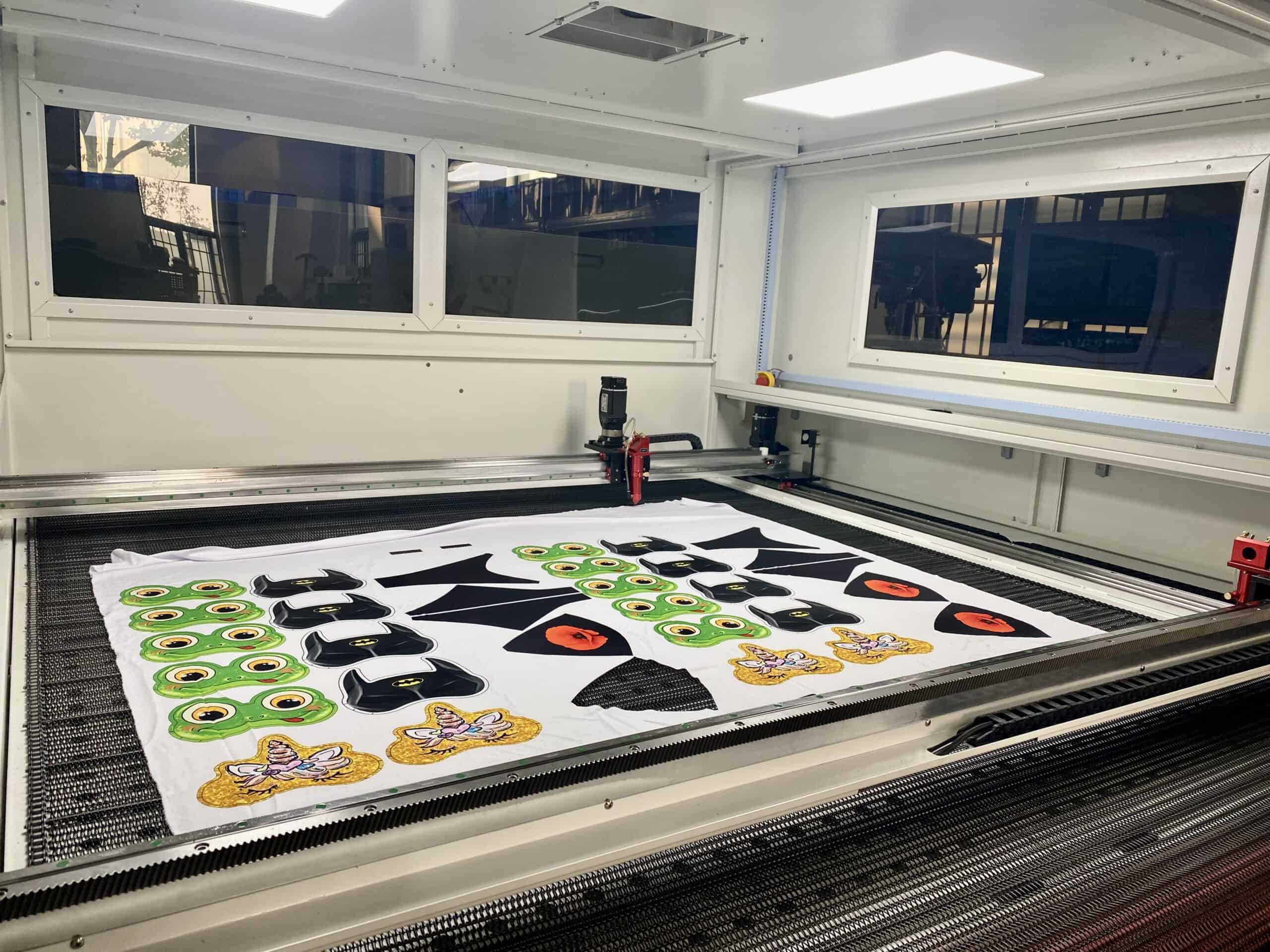
Laser cutting stands out because it eliminates the mess and unpredictability of conventional knives. I have seen laser edges that hold up after months of hard use, and clients notice the difference immediately. For makers focused on top-tier results, this method is a game changer.
How Can Laser Cutting Achieve High Efficiency and Flexible Production?
Every customer wants their unique design and quick turnaround. Manual and knife-based systems slow down productivity, increase errors, and require more labor than you hoped for.
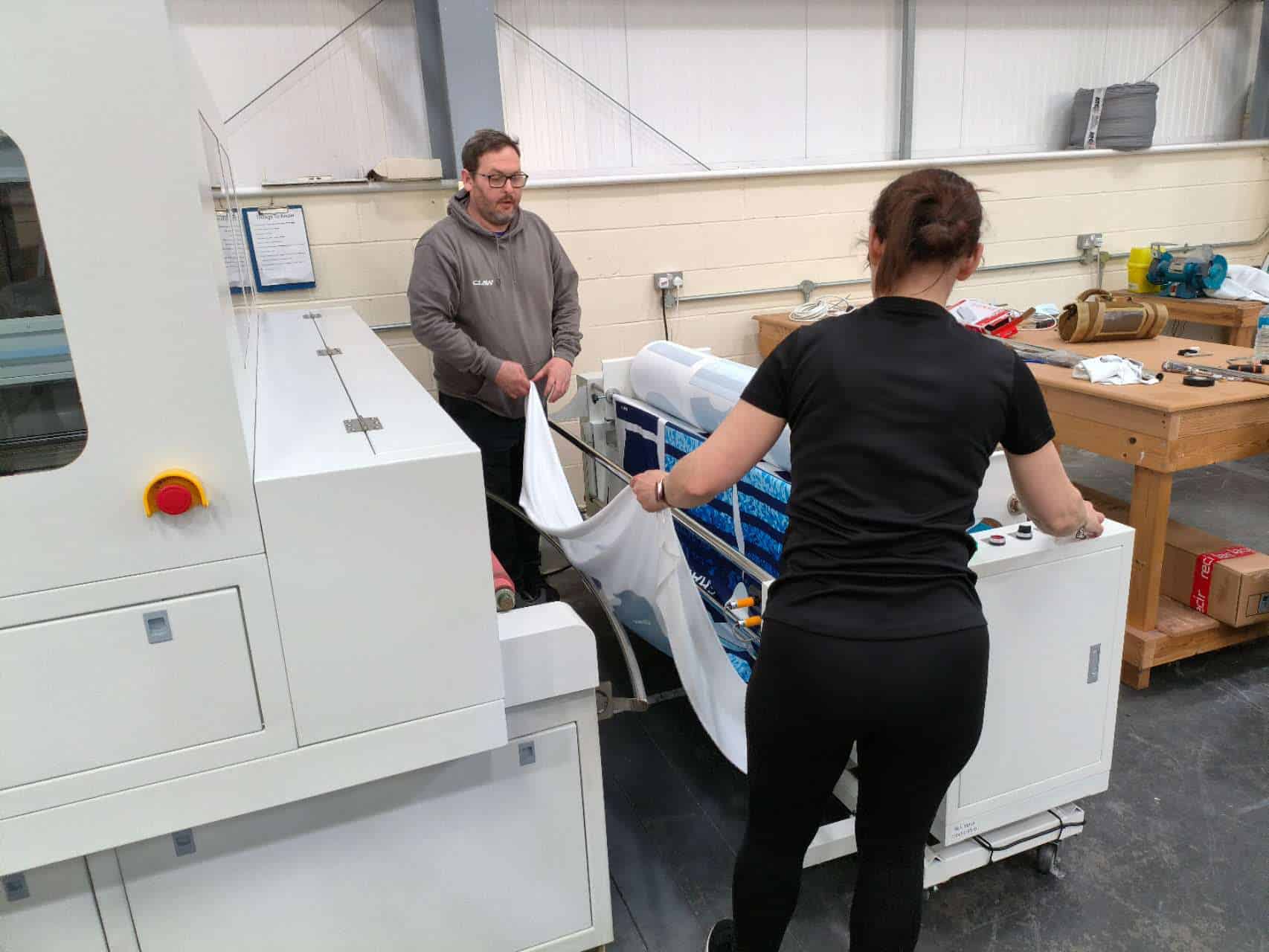
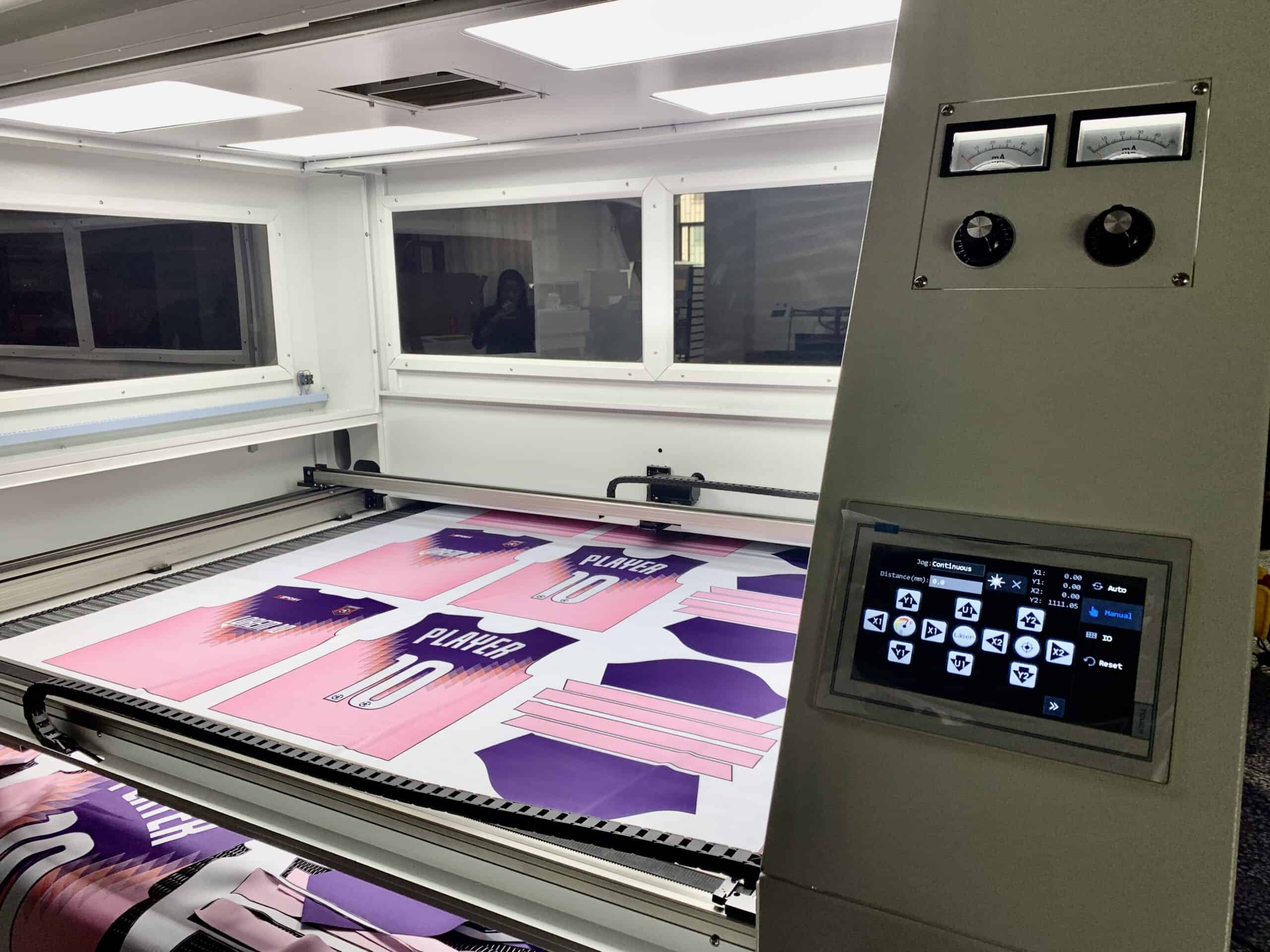
Laser systems use vision recognition to locate and cut print shapes automatically. Dual or multi-head lasers dramatically speed up output—one machine can replace 7-8 manual workers. With automatic feeding, rolling, and extended tables, parts are cut and collected with minimal operator involvement. Flexible processing means you can handle any curve, angle, or short-run order with ease.
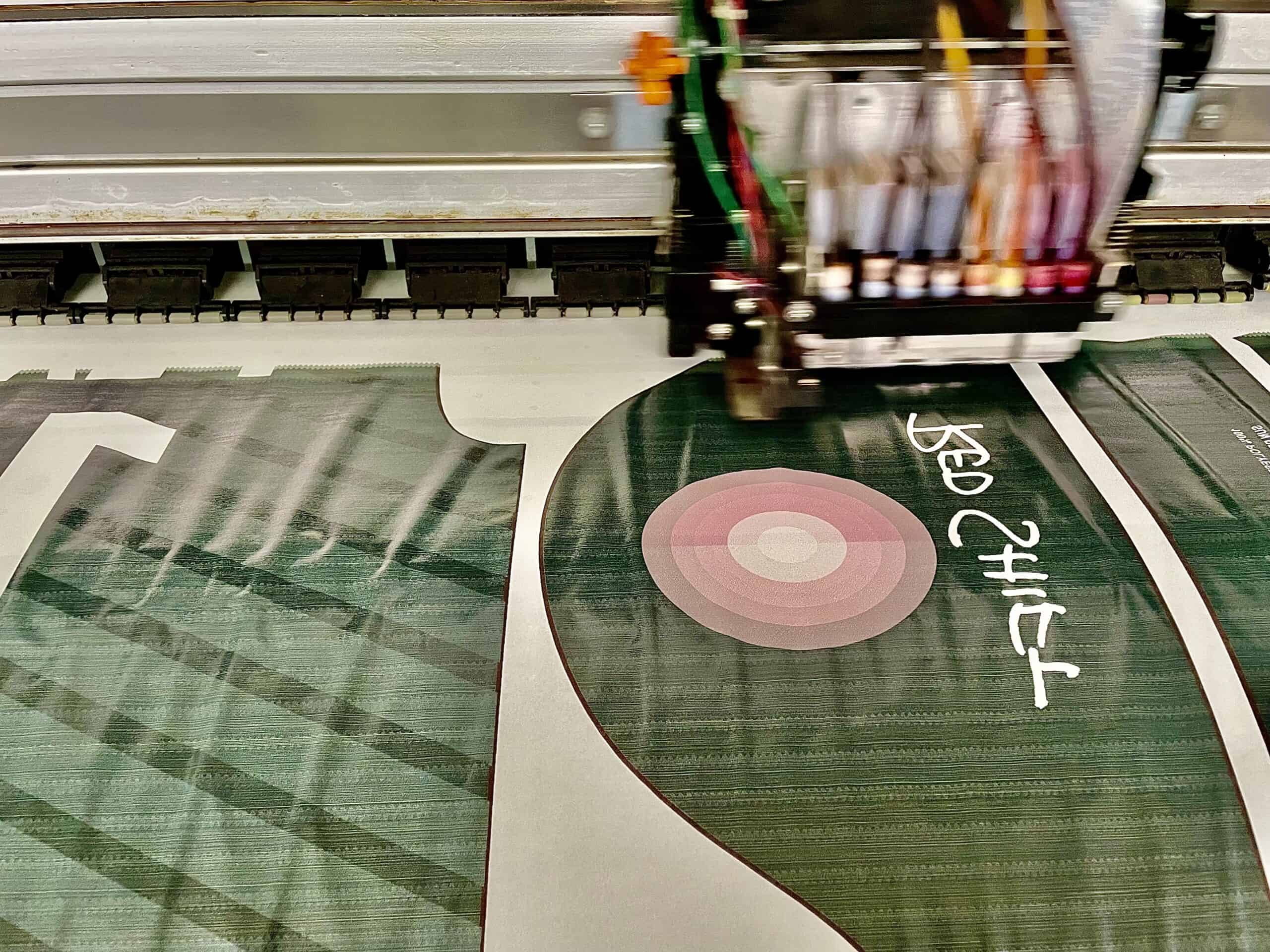
Highly automated lines mean one person can be responsible for only picking up and sorting pieces. This flexibility is vital for custom requests, small batch production, and adjusting designs on the fly. When working with seasonal or limited-edition sports apparel, this allows you to scale fast and accurately.
How Does Laser Cutting Provide Significant Cost Advantages?
Are the costs of labor, consumables, and energy eating away your margins? Automation and precision are keys to better profits.
Laser systems slash labor costs—junior staff can operate after just one day of training. The only major consumable is the CO₂ laser tube (e.g., a 150W tube working 8 hours a day lasts over 2 years and costs about $450 to replace). Energy use is low (2-3 kW/h). Precise cuts and optimal layout minimize material waste, adding up to fast ROI from increased output and reduced spending.
| Cost Element | Traditional Cutting | Laser Cutting |
|---|---|---|
| Labor | High, skilled, many | Minimal, quick learner |
| Consumables | Knife blades, parts | Single laser tube |
| Material Waste | Frequent, high | Optimized, low |
| Energy | Variable, machine load | 2-3 kW/h only |
| ROI | Slow, high investment | Fast, low-risk investment |
Making the jump to laser not only lowers cost—it speeds up profitability. This is the advantage every growing sportswear brand needs.
How Does Laser Cutting Ensure Design Freedom and Guaranteed Quality?
If designers feel boxed in by tooling limits and dull finish, creativity suffers. Low-quality edges and faded prints shrink repeat orders.
Laser cutting lets designers create any complex contour—no matter how detailed. Pairing this with dye sublimation1 (especially for polyester and spandex blends) guarantees intensely vibrant colors and sharp durable images. Automated precision leads directly to premium products every time.
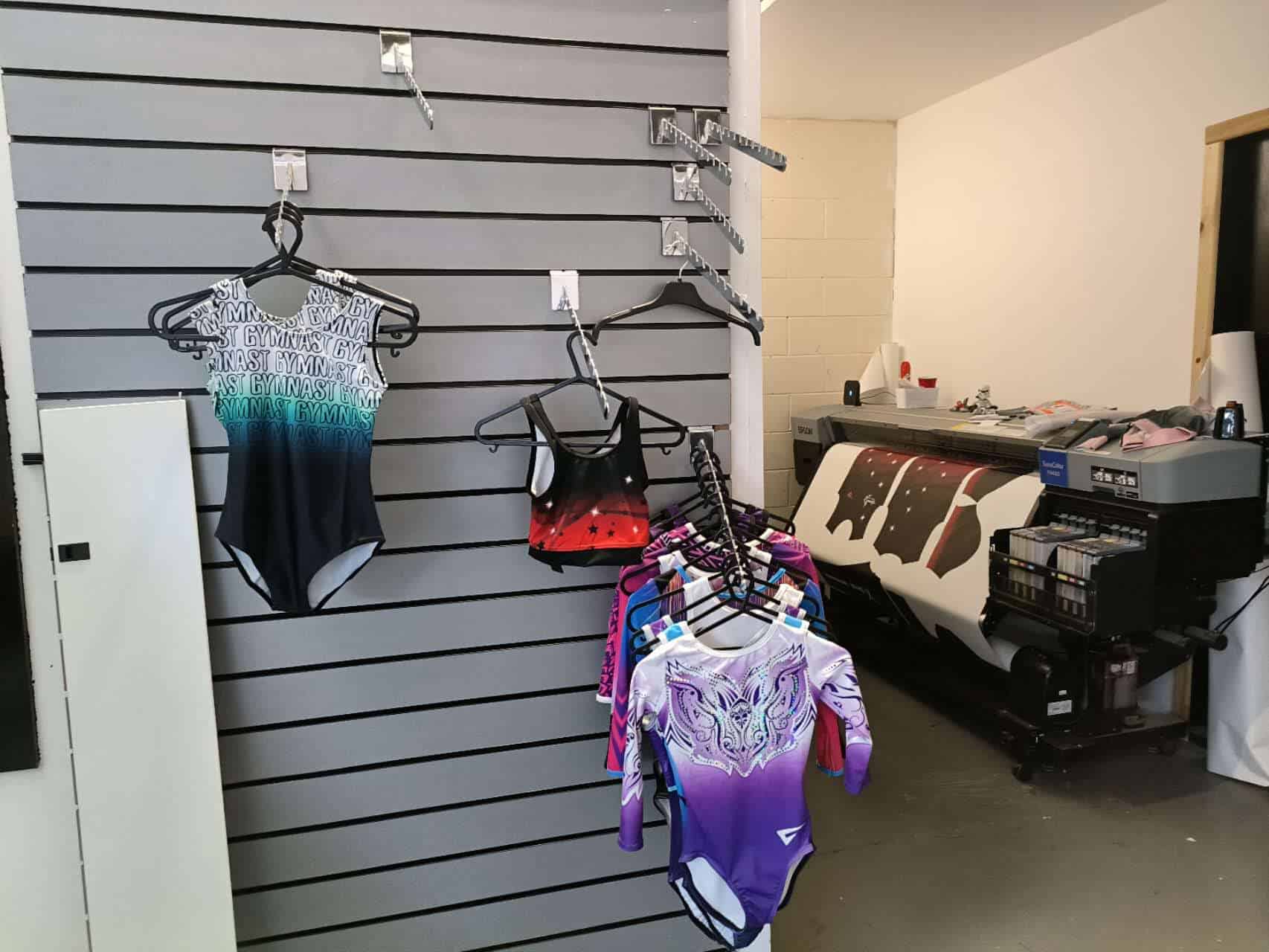
Multiple successful brand launches have been built around these advantages. The flexibility keeps creativity high2, and automated quality control3 means each item meets the brand’s exacting standards.
What Are the Typical Application Areas?
Wondering if laser cutting meets the needs of today’s diverse sportswear market? The answer is yes—plus much more.
Laser solutions are ideal for:
- Sportswear and tights
- Cycling gear and accessories
- All types of team jerseys (hockey, baseball, basketball, football, volleyball, lacrosse, ringette)
- Swimsuits and yoga apparel
- Tracksuits, sweatpants, fashion dresses
What Materials Are Compatible with Laser Cutting?
Not every machine can handle the range of textiles used in premium sportswear. Compatibility is key.
Laser machines work perfectly with:
- Polyester
- Polyester Spandex (Elastane)laser.com/digital-textile-printing-solutions/) Spandex (Elastane)
- Polyamide
- Non-wovens
- Knitted fabrics
This wide compatibility means that even specialty blends or next-gen technical fabrics can be cut accurately, in volume, with no extra tool setup or frustration.
What Is the Core Workflow for Dye Sublimation and Laser Cutting?
Brands need fast, clean, and repeatable workflows to keep production lean and customers happy.
Standard process:
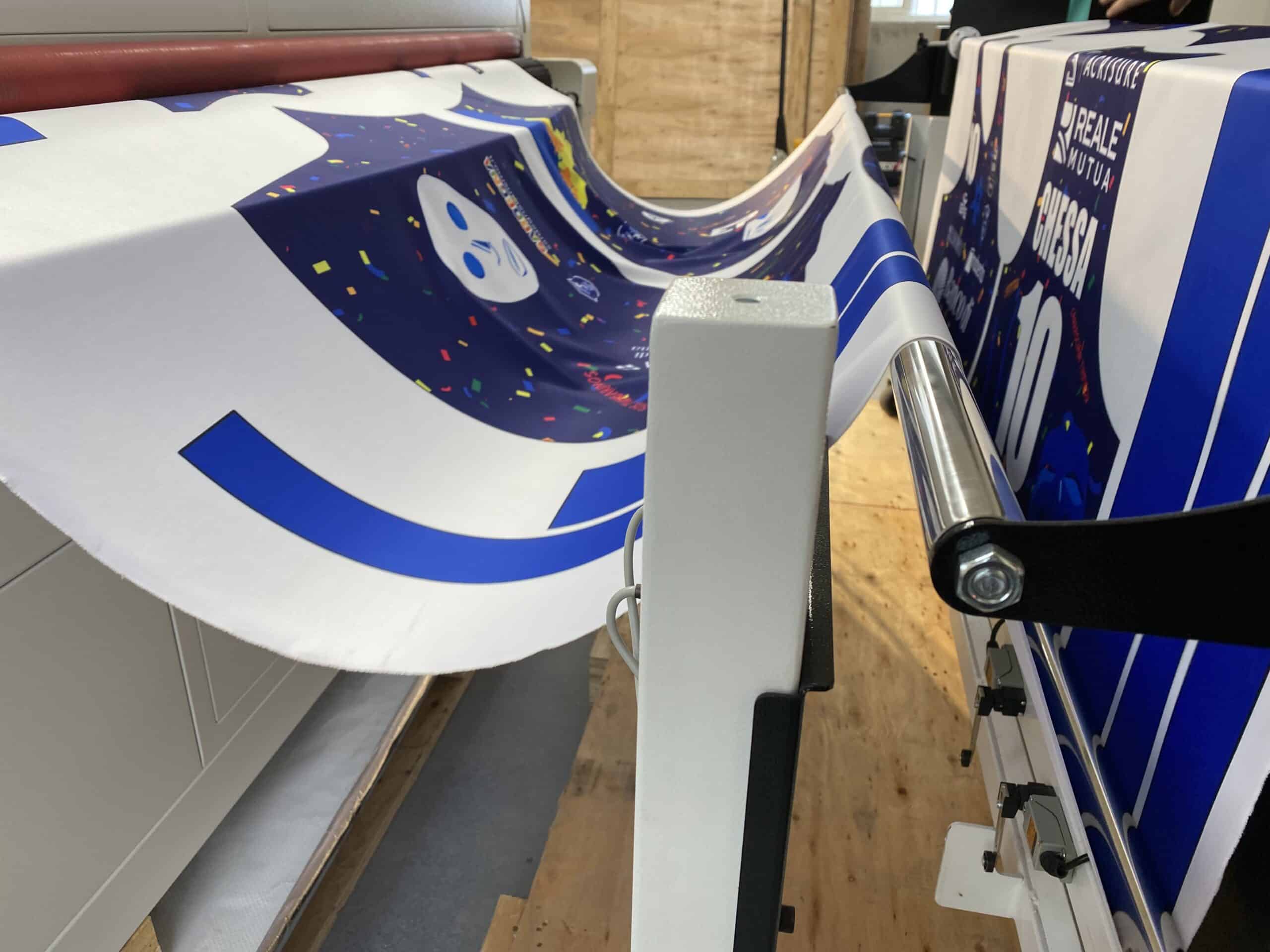
- Printing: Designer graphics are printed on dye sublimation transfer paper.
- Heat Transfer: Patterns are transferred to fabric using a heat press.
- Laser Cutting:
- Vision system automatically detects printed graphics.
- Laser precisely cuts around contours.
- Automatic conveyor feeds and collects finished pieces.
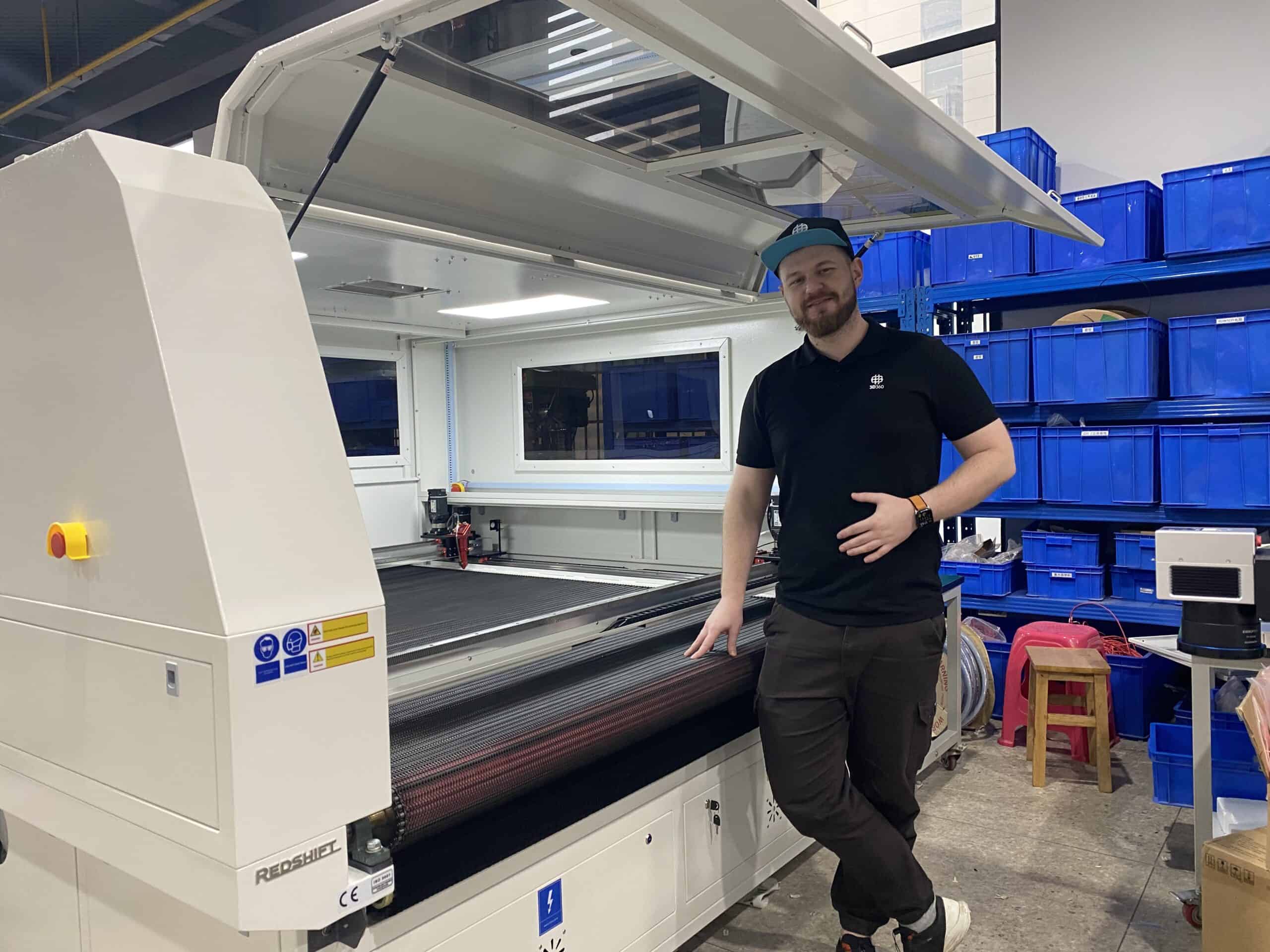
One streamlined flow for all orders—large or small, simple or intricate.
What Are the Value-Added Options for Laser Sportswear Cutting?
Ambitious manufacturers are looking for the next edge in speed, safety, and innovation. What options enhance value?
Key add-ons include:
- Twin X-axis cutting machines for double efficiency and comprehensive adaptability.
- Full machine enclosures and CE-certified systems for highest safety standards.
- Gear-and-rack drive solutions—quicker, more precise, and more durable operation.
- High-level automation integrations for total workflow optimization.

Upgrading makes your process future-ready, helping you meet tougher regulations and outpace competitors.
Conclusion
Laser cutting, in partnership with dye sublimation, delivers a one-stop solution for custom sportswear manufacturing—boosting quality, creativity, speed, and profitability while minimizing cost and risk.
Related:
-
Understanding dye sublimation can enhance your design skills and improve product quality. ↩
-
Exploring the link between flexibility and creativity can inspire innovative strategies for your brand's growth. ↩
-
Understanding automated quality control can enhance your brand's quality assurance processes, ensuring consistency and excellence. ↩