 Skip to content
Precision CO₂ Laser Solutions for PMMA Processing
Clean edges, crystal‑clear engraving, and high productivity – Redshift Laser provides professional CO₂ laser cutting and engraving solutions for acrylic (PMMA), serving signage, display, lighting, decoration, and industrial applications worldwide.
Acrylic (PMMA) is one of the most widely used non‑metal materials in modern manufacturing. Thanks to its excellent optical clarity, weather resistance, strength‑to‑weight ratio, and design flexibility, acrylic is extensively applied in advertising signage, retail displays, lighting systems, interior decoration, and industrial protective components.
By combining high‑quality CO₂ laser sources with rigid machine structures and precision motion systems, Redshift Laser enables manufacturers to process acrylic with exceptional accuracy, repeatability, and long‑term stability – from single customized pieces to continuous mass production.
Why Acrylic Is Ideal for Laser Processing
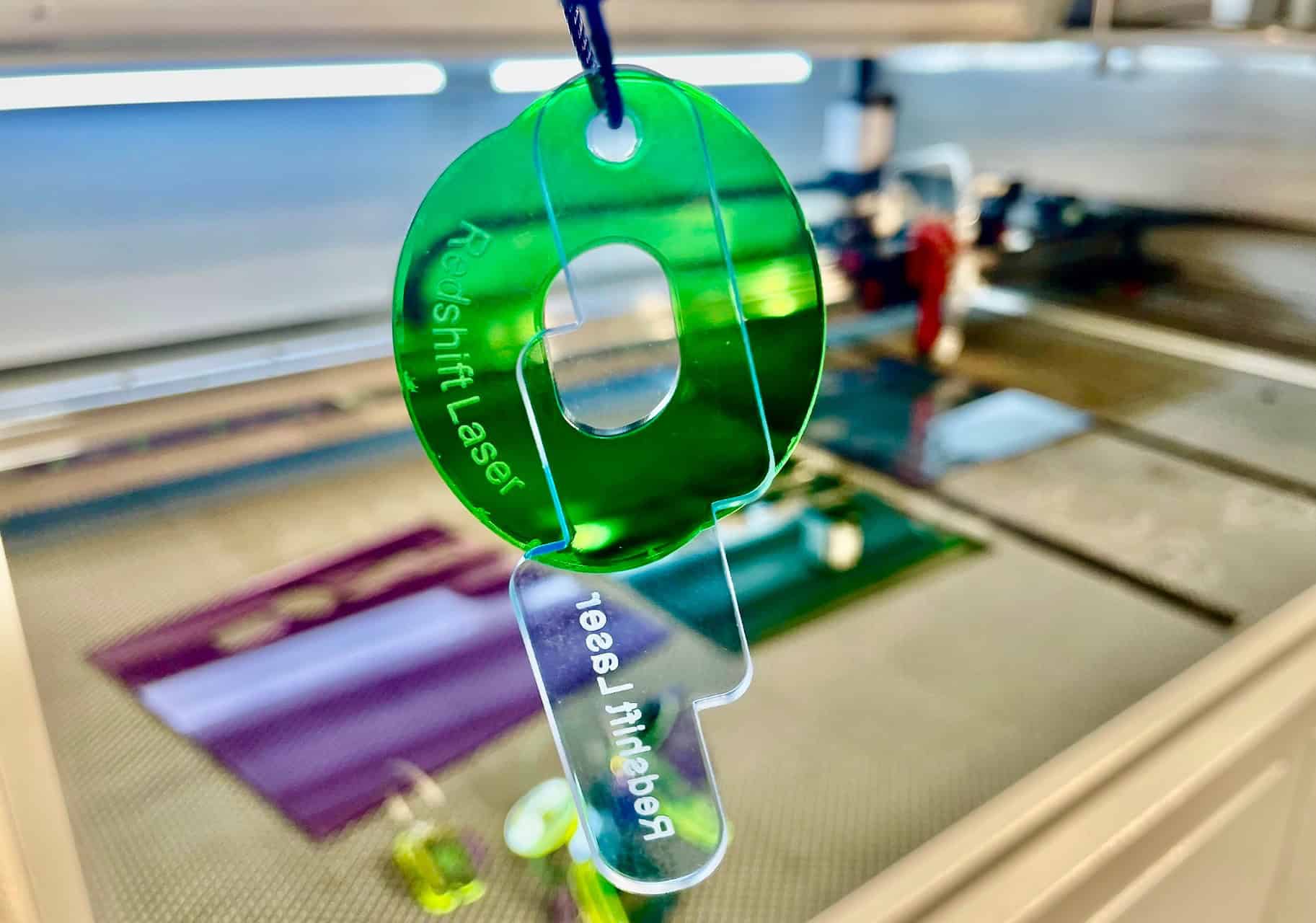
Acrylic (PMMA) is considered one of the most laser‑friendly plastic materials. Compared with traditional mechanical cutting methods such as saw cutting, routing, or CNC milling, laser processing offers a non‑contact solution that minimizes material stress while maximizing visual quality.
When processed with a CO₂ laser, acrylic absorbs laser energy efficiently, allowing clean cutting and high‑contrast engraving without excessive heat damage. This makes laser technology especially suitable for applications where edge quality and appearance are critical.
Key advantages of laser processing acrylic:
- Smooth, polished cutting edges without secondary polishing or flame treatment
- High‑contrast, frosted engraving effects with excellent visual clarity
- No mechanical stress, cracking, or tool wear during processing
- High precision for complex shapes, sharp corners, and fine details
- Consistent quality across different thicknesses and production batches
- Flexible processing for both mass production and customized orders
What Laser Processing Can Do on Acrylic?
Laser Cutting Acrylic
Flawless Contours
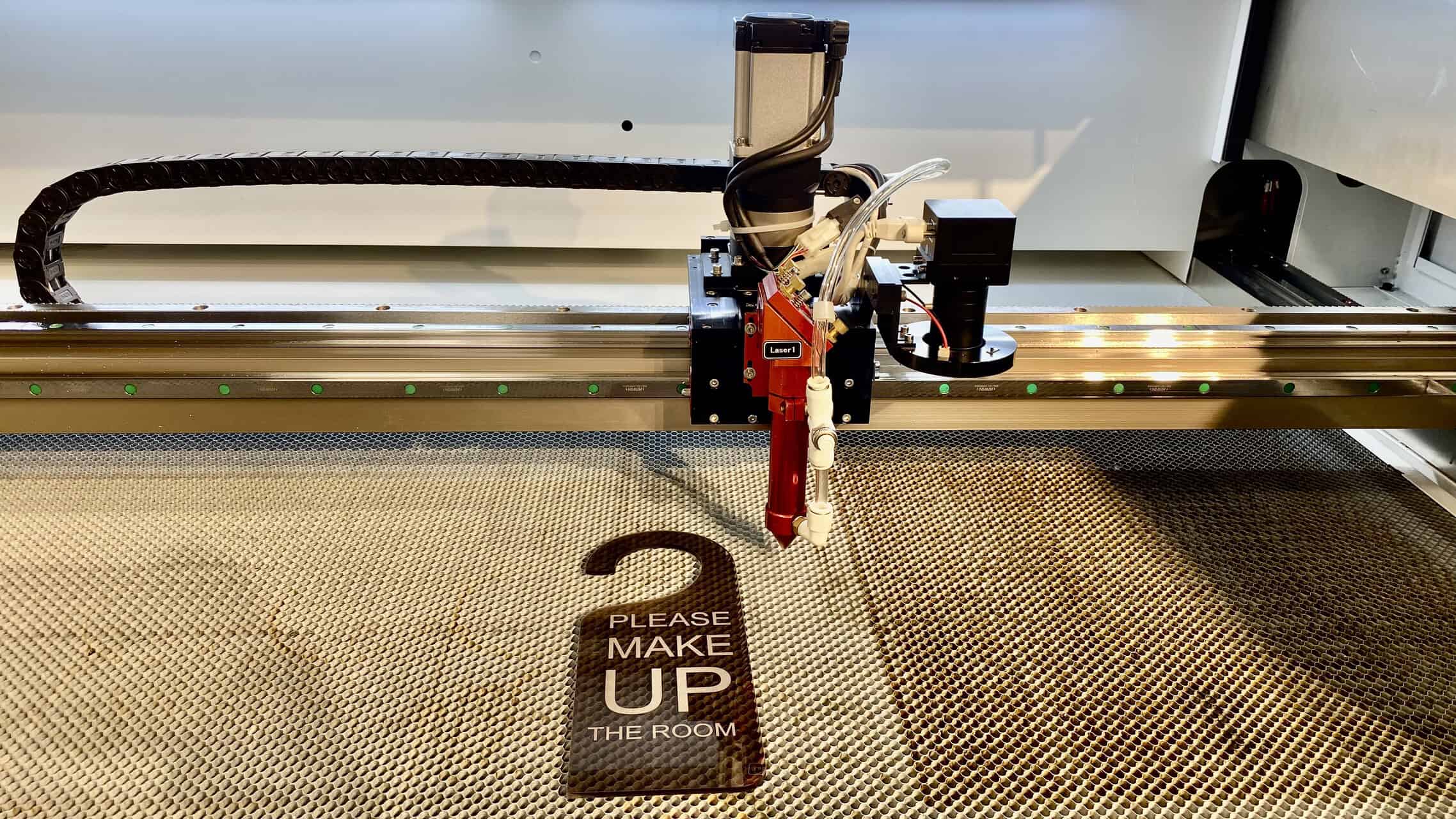
Redshift CO₂ laser cutting machines are specifically engineered for efficient and stable acrylic sheet cutting. With optimized laser parameters and precision motion control, our systems deliver clean, transparent edges suitable for direct use without additional finishing.
Laser cutting acrylic is a thermal process in which the material is melted and vaporized along the cutting path. Proper control of laser power, speed, and air assist is essential to achieve smooth edges and prevent surface defects. Redshift Laser machines are designed to maintain consistent cutting quality even during long‑time continuous operation.
Cutting Features
Polished, flame‑like edges with high optical transparency
No burrs, chips, or micro‑cracks compared with mechanical cutting
Excellent dimensional accuracy and repeatability
Clean internal corners and complex geometries
Stable performance on clear, colored, frosted, and translucent acrylic
Typical Acrylic Cutting Thickness
Depending on laser power, machine configuration, and cutting speed, acrylic thickness from 1 mm up to 20 mm can be cut effectively. Higher‑power CO₂ laser systems are recommended for thick acrylic sheets or high‑throughput industrial production environments.
Laser Engraving on Acrylic
Lasting Detail
CO₂ laser engraving produces precise, high‑contrast marks on acrylic surfaces by controlled surface melting. On clear acrylic, engraving typically creates a frosted white appearance, delivering excellent contrast without the use of inks, paints, or chemicals.
Redshift Laser engraving systems allow precise adjustment of engraving depth, speed, and resolution. This enables manufacturers to achieve consistent results across a wide range of acrylic products, from fine logos to deep decorative patterns.
Engraving Effects
Frosted white engraving on transparent acrylic
Smooth, uniform matte textures
Deep engraving for enhanced 3D visual depth
Fine details with sharp text and graphic edges
Engraving Applications
Corporate logos and brand identification
LED edge‑lit signs and light guide panels
Decorative patterns and artistic designs
Awards, trophies, plaques, and nameplates
Laser engraving ensures permanent markings that do not fade, peel, or wear off, making it ideal for long‑term indoor and commercial applications.
Cast Acrylic vs. Extruded Acrylic for Laser Processing
Different types of acrylic respond slightly differently to laser processing. Understanding these differences helps manufacturers choose the right material for their application.
| Feature | Cast Acrylic | Extruded Acrylic |
|---|---|---|
| Material Structure | Polymerized in individual molds, resulting in a more uniform internal structure | Continuously extruded through a die, resulting in a denser and more consistent thickness |
| Engraving Contrast | Excellent – produces bright white, high-contrast engraving | Moderate – engraving appears more translucent |
| Engraving Quality | Sharp details with clean edges, ideal for fine graphics and logos | Less contrast for detailed engraving |
| Cutting Edge Quality | Very good – smooth and polished edges | Very good – slightly more edge melting may occur |
| Melting Behavior | Stable during laser processing | Slightly more melting due to lower melting point |
| Thickness Tolerance | Wider tolerance between sheets | More consistent thickness across sheets |
| Cutting Speed | Moderate | Faster cutting speed possible |
| Best Use | Laser engraving, decorative products, premium signage | High-speed laser cutting, cost-efficient signage and display production |
| Cost | Generally higher | More cost-effective |
Cast acrylic is generally preferred for engraving and decorative applications due to its superior engraving contrast. Extruded acrylic is often chosen for cost‑efficient, high‑speed cutting in signage and display production.
What we offer
Recommended Laser Machines
Purpose-built laser solutions providing superior accuracy and high productivity.
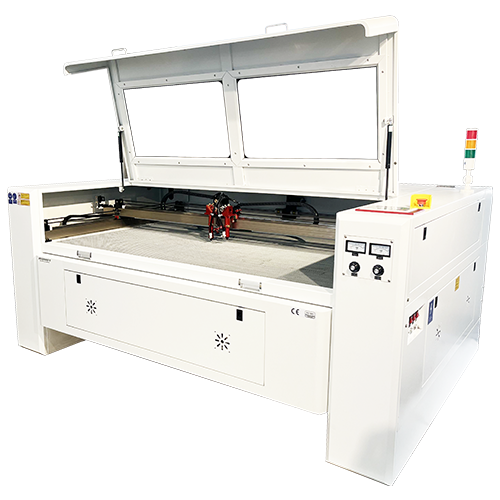
Suitable for cutting and engraving various non-metal materials such as fabric, leather, acrylic, wood, paper, etc.
- Model No.: 1060 / 1490 / 1610 / 1810
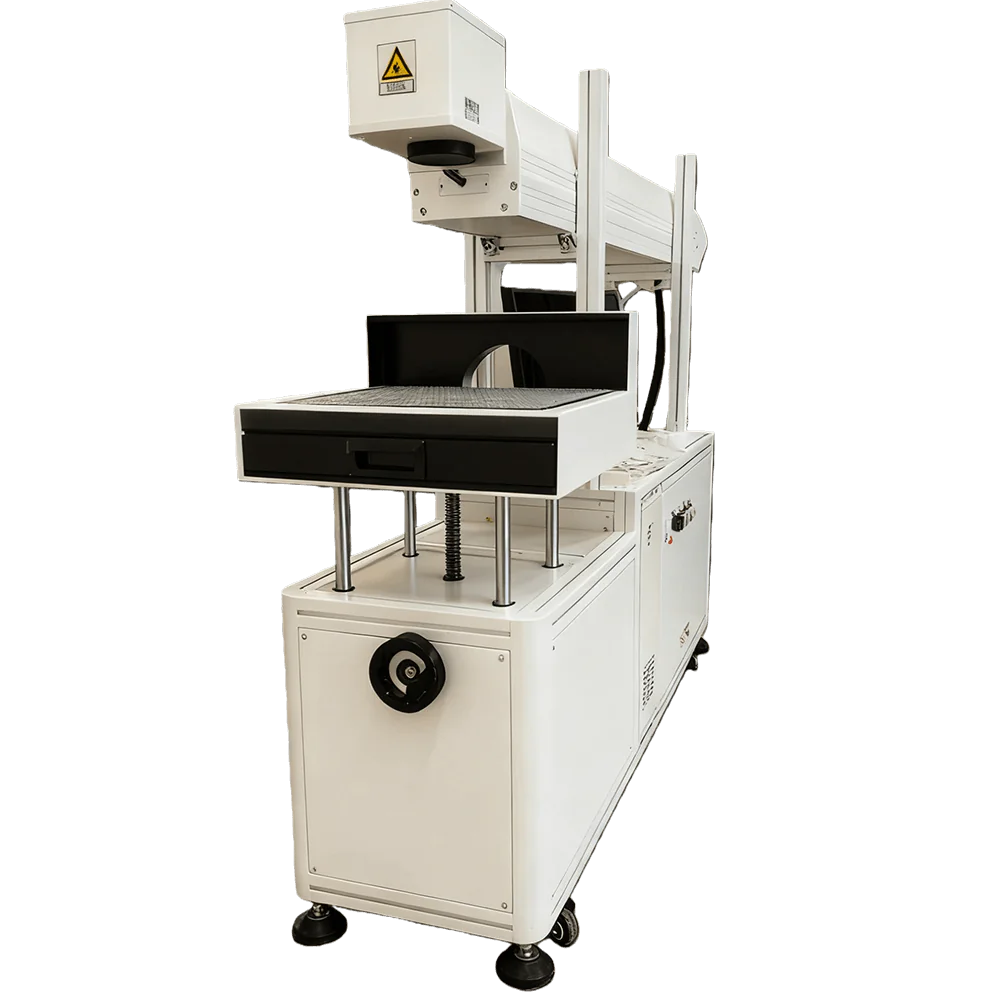
Affordable laser marking machine with Co2 DC glass laser tube for non-metal applications.
- Model No.: 4545 6060
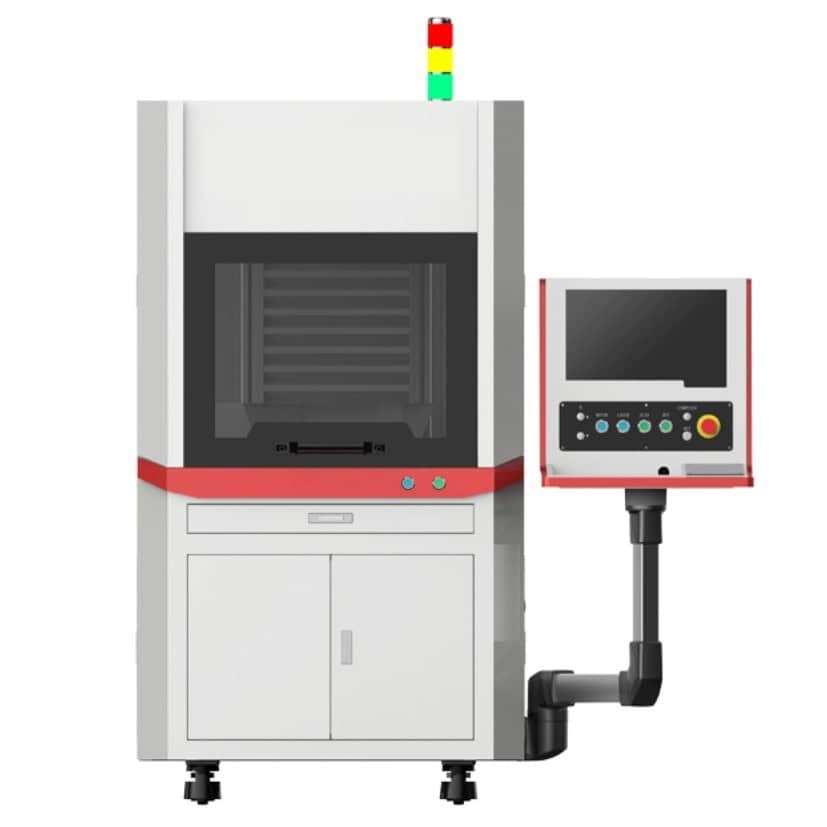
With CO2 RF metal laser tube, this machine This machine provides excellent marking quality and reliability on a wide range of non-metal materials.
- Model No.: SG6060
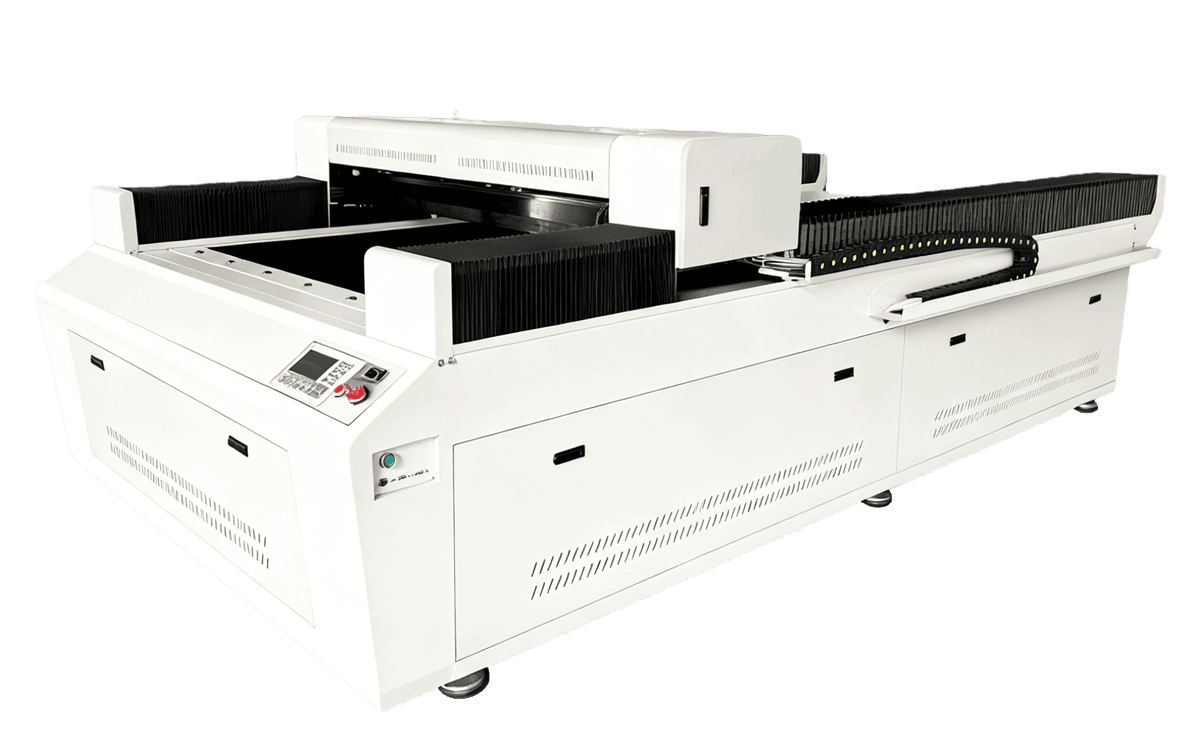
Large format CO2 laser cutting machine that can cut a wide range of materials including wood, MDF, acrylic, etc.
- Model No.: 1325 1530 2030 2040
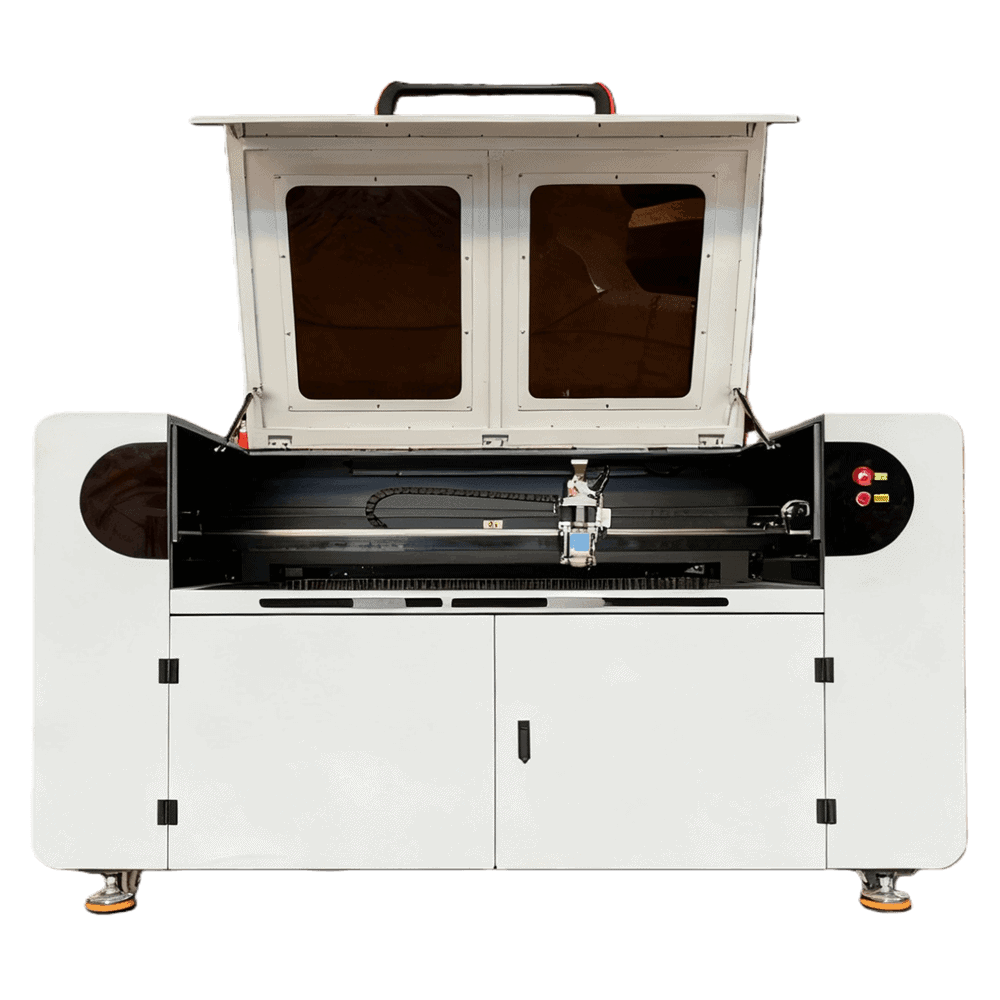
Hybrid CO₂ laser cutting and engraving system, designed for both metal and non-metal materials
- Model No.: RZ-1390
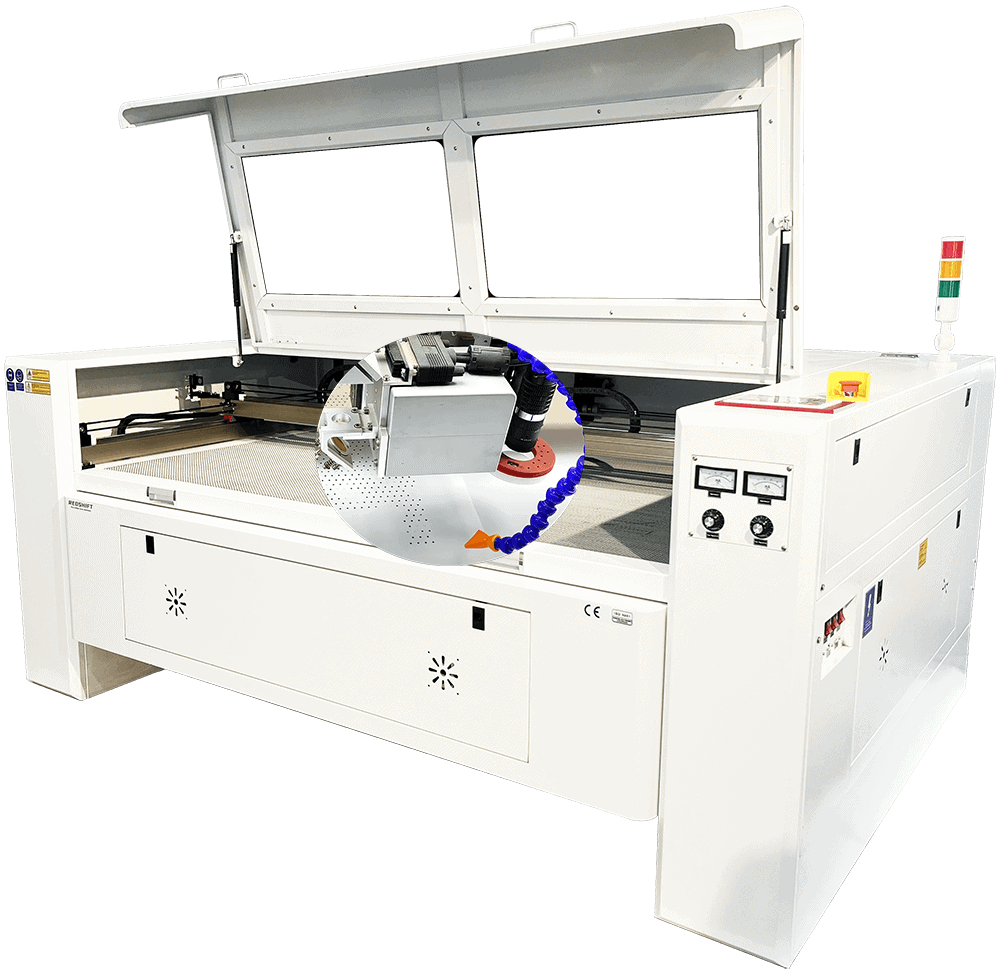
Equipped with a single CO2 laser tube, offers a significant advantage by performing both Galvo laser engraving and gantry cutting.
Application Sectors
Unlock new design possibilities and production efficiency in every leather-related industry
Sign & Advertising
Channel letters and 3D logo signs
Illuminated light boxes and backlit panels
Indoor and outdoor advertising signs
Brand logos and visual identity elements
Retail Display & POP
Product display stands and shelves
Point-of-purchase (POP) display units
Cosmetic and electronics displays
Custom-shaped promotional fixtures
Interior Decoration & Architecture
Decorative wall panels and art pieces
Partitions, screens, and room dividers
Ceiling and feature panels
Custom interior design elements
Awards, Crafts & Custom Products
Awards, trophies, and plaques
Nameplates and identification signs
Souvenirs and customized gifts
Small-batch and on-demand products
Industrial & Technical Applications
Machine covers and safety guards
Control panels and enclosures
Protective shields and transparent covers
Technical and functional components
Videos
See How Redshift Laser Machines Perform on Acrylic in Real Production
FAQ
Yes. When processed with a properly configured CO₂ laser, acrylic can be cut with smooth, polished, flame‑like edges. In most signage, display, and decorative applications, no secondary polishing or flame treatment is required.
The maximum cutting thickness depends on several factors, including laser power, cutting speed, optical quality, air assist, and material type (cast or extruded). Industrial CO₂ laser systems can typically cut acrylic sheets up to 30 mm thick with stable edge quality.
When correct laser parameters and proper air assist are used, CO₂ laser cutting does not cause yellowing or burn marks on acrylic. Poor results are usually related to incorrect speed, excessive power, or insufficient exhaust.
Yes. Laser engraving creates a permanent modification of the acrylic surface. The engraved marks will not fade, peel, or wear off over time, making them suitable for long‑term indoor and commercial use.
Yes. CO₂ laser systems allow both engraving and cutting operations on the same machine. This enables efficient production workflows where graphics are engraved first, followed by precise contour cutting.
No. Acrylic does not absorb fiber laser wavelengths efficiently. CO₂ lasers are the correct and industry‑standard choice for acrylic cutting and engraving, while fiber lasers are primarily designed for metal processing.
GET IN TOUCH WITH US →
Contact RedShift now to get a further information of about our laser machines. Our experts will help you quickly.