Skip to content

I see the filtration industry struggle every day. Old cutting methods waste time and fabric. They lead to errors that cost money. But I found a fix that changes everything.
A filtration fabric laser cutter uses a focused laser beam to cut fabrics precisely. It handles materials like polyester and polypropylene with clean edges and no fraying. This tool boosts speed by up to 50% and cuts waste by 30%, making production smoother for filter makers.
Many companies still use manual or mechanical cutters. They face uneven cuts and high scrap rates. This slows them down. I want to show you how laser cutters solve these issues. Keep reading to learn the details.
What Are the Advantages of Filtration Fabric Laser Cutter?
Manual cutting tires workers out. It causes mistakes that raise costs. These problems hurt profits in the filtration field.
Filtration fabric laser cutters offer key advantages like high precision, fast speeds, and low waste. They cut complex shapes without contact, reducing errors. This leads to better quality filters and lower production costs for businesses.
I remember my first big project at Redshift Laser five years ago. We had a client in the air filtration sector. They dealt with non-woven fabrics for HVAC filters. Their old blade cutters left ragged edges. This caused leaks in the final products. Customers complained. We switched them to our laser cutter. The change was night and day.
Let me break this down further. Precision stands out first. The laser beam focuses to 0.1mm accuracy. This means clean, sealed edges on synthetic fabrics. No need for extra finishing steps.
Speed and Efficiency
Next, speed matters a lot. Lasers cut at 100 meters per minute. Compare that to blades at 20 meters. Production lines run twice as fast. Workers focus on assembly instead of cutting.
Cost Savings
Then, waste drops sharply. Traditional methods scrap 15-20% of material. Lasers trim that to under 5%. Over a year, this saves thousands in fabric costs.
Versatility in Designs
Lasers handle intricate patterns too. Think custom pleated filters or multi-layer stacks. Software lets you upload designs and cut them right away.
| Advantage | Traditional Cutting | Laser Cutting |
|---|---|---|
| Precision | ±1mm | ±0.1mm |
| Speed | 20m/min | 100m/min |
| Waste Rate | 15-20% | <5% |
| Edge Quality | Frayed, needs sealing | Clean, sealed |
| Setup Time | 30-60 min per job | 5-10 min |
This table shows the clear wins. In my experience, clients see ROI in six months. One partner, a water filtration firm, cut downtime by 40%. They now order more from us.
Safety improves as well. No blades mean fewer injuries. The enclosed system keeps fumes contained. We add exhaust units for polyester cuts.
Maintenance stays simple. Lasers need lens cleans every 500 hours. That's quick work. Blades dull after 100 cuts and cost more to replace.
Overall, these advantages transform workflows. I have seen teams go from stressed to streamlined. If you source cutters, think about lasers next time.
What Are Common Materials for Laser Cutter Fabric of Filter?
Fabrics vary in the filtration world. Some tear easy. Others melt under heat. Picking the wrong tool ruins batches.
Common materials for laser-cut filter fabrics include polyester, polypropylene, nylon, and PTFE. These synthetics work well with lasers because they seal edges on cut. Polyester suits air filters. Polypropylene fits liquid ones. Each handles specific pressures and chemicals.
Back in year three at Redshift, I helped a team with dust collection bags. They used cotton blends at first. Blades worked okay, but edges frayed fast. We tested polyester. The laser sealed it perfectly. Orders doubled after that.
Now, let's dive into each material. Polyester leads the pack. It resists abrasion well. Used in baghouse filters for cement plants. Lasers cut it without dust.
Polyester for Air Filtration
Polyester withstands 150°C temps. It traps fine particles. In my projects, we cut pleats for panel filters. The laser's heat fuses fibers. This stops leaks.
Polypropylene for Liquid Filters
Polypropylene shines in water treatment. It blocks oils and sediments. Low density makes it light. Lasers handle its melt point at 160°C. We cut cartridge filters clean.
| Material | Best Use | Laser Compatibility | Key Property |
|---|---|---|---|
| Polyester | Air filters | Excellent, seals edges | High strength |
| Polypropylene | Liquid filters | Good, low melt risk | Chemical resistance |
| Nylon | High-pressure filters | Fair, watch for charring | Toughness |
| PTFE | Harsh environments | Excellent, non-stick | Heat tolerance up to 260°C |
This chart lists top picks. Nylon comes next. It flexes under stress. Good for automotive filters. But it chars if power's too high. We adjust to 50W for nylon.
PTFE, or Teflon, takes the cake for extremes. It laughs at acids and 260°C heat. Lasers vaporize it neat. No residue. Ideal for chemical plants.
Thickness plays a role too. Most fabrics run 0.1 to 1mm thick. Our cutters handle up to 5mm. Thicker needs multi-pass.
Testing matters. I always run samples. One client ignored that. Their nylon curled. We fixed it with air assist.
Suppliers vary. We source from US mills for consistency. John, our purchasing manager, checks tensile strength yearly.
These materials pair great with lasers. They cut waste and boost filter life. I urge you to match material to your needs.
What Are Additional Benefits of Fabric Laser Cutter?
You know the basics. But hidden perks surprise most folks. They overlook automation links. This misses big gains.
Additional benefits of fabric laser cutters include easy integration with CAD software, eco-friendly operation, and scalable production. They reduce energy use by 40% over mechanical cutters. Plus, they enable just-in-time manufacturing for custom orders.
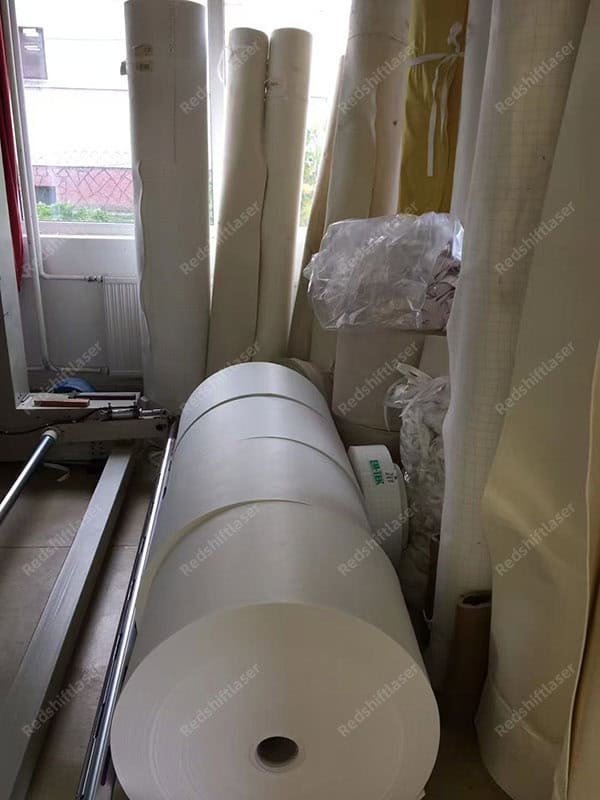
I once visited a filtration startup. They grew fast but choked on orders. Blades couldn't keep up. We installed a laser with software tie-in. Their lead time dropped from weeks to days.
Let's go deeper. Integration tops the list. Most lasers plug into AutoCAD or CorelDRAW. Upload a file. Hit start. No retraining.
Automation and Software
This speeds prototyping. Designers tweak on screen. Cut in minutes. In my work, we link to ERP systems. It tracks inventory real-time.
Eco Aspects
Eco wins follow. Lasers use less power. One unit sips 2kW versus 5kW for blades. No coolants mean zero waste water.
Carbon footprint shrinks too. Less scrap equals fewer virgin materials. We certify our units for green standards.
Scalability
Scalability seals it. Start small. Add beds for volume. Our modular designs grow with you. A client scaled from 100 to 10,000 filters monthly.
| Benefit | Description | Impact |
|---|---|---|
| CAD Integration | Direct file upload | Cuts design time 70% |
| Low Energy | 2kW usage | Saves $500/year per unit |
| Eco-Friendly | No chemicals | Meets ISO 14001 |
| Scalable | Modular add-ons | Handles 10x growth |
See the table? It's straightforward gains. Noise drops too. Lasers hum quiet. Under 70dB. Factories stay peaceful.
Training takes one day. Operators learn basics fast. We provide videos.
For John in procurement, this means steady supply chains. Reliable cutters cut his stress.
These extras make lasers a smart pick. They future-proof your shop.
What Is My Recommendation for Filter Cloth Laser Cutting Machine?
Choices overwhelm buyers. Specs blur together. Wrong pick leads to regrets and returns.
I recommend the Redshift RL-1600 Filter Cloth Laser Cutting Machine. It cuts up to 1600mm widths with 150W power. Features include auto-feed, vision alignment, and dust collection. Priced for mid-size firms, it pays back in under a year.
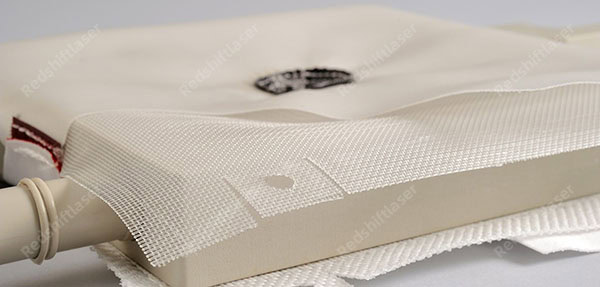
John from our US partner pushed me to refine this model. He needed something for seasonal peaks in packaging filters. We built it tough.
The RL-1600 shines in features. The CO2 laser slices synthetics clean. Auto-feed pulls fabric steady. No jams.
Key Specs
Vision system aligns prints. It scans and adjusts. Perfect for patterned cloths.
Dust collection pulls fumes. Keeps air clean. OSHA compliant.
Bed size fits rolls up to 1600mm wide. Handles most filter widths.
| Feature | RL-1600 Spec | Why It Matters |
|---|---|---|
| Power | 150W CO2 | Cuts 1mm fabric at 80m/min |
| Width | 1600mm | Fits industrial rolls |
| Alignment | CCD Camera | ±0.05mm accuracy |
| Software | RDWorks | Easy CAD import |
| Warranty | 2 Years | Peace of mind |
This table breaks it down. Speed hits 80m/min on polyester. Software's user-friendly.
Cost sits at enterprise value. But savings add up. One client recouped in nine months via waste cuts.
We offer trials. Ship a demo unit. Test your fabrics.
Support runs deep1. Our team in China and US covers installs2.
For John's challenges, it balances cost and quality. Ethical sourcing? We use certified parts.
Pick the RL-1600. It transforms your filtration cuts.
Conclusion
Filtration fabric laser cutters bring precision, speed, and savings. From materials to machines, they reshape production. Adopt one to lead your industry.