Skip to content

Struggling with the slow, tedious process of cutting intricate lace by hand? Manual cutting is prone to fraying, inaccuracies, and material waste, creating a bottleneck in your production line.
CO2 lasers revolutionize lace cutting by using a focused beam of light to vaporize the material. This non-contact process creates perfectly sealed, intricate cuts with unmatched speed and repeatability, eliminating frayed edges and manual errors entirely.
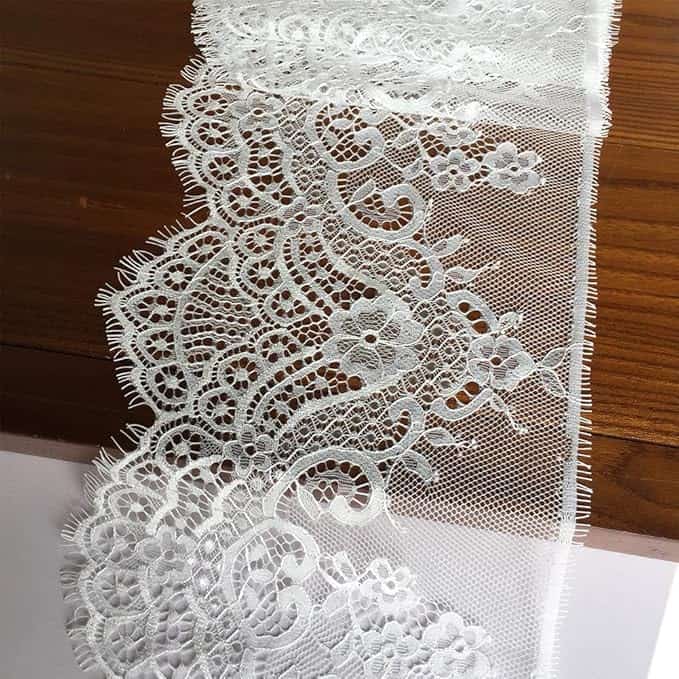
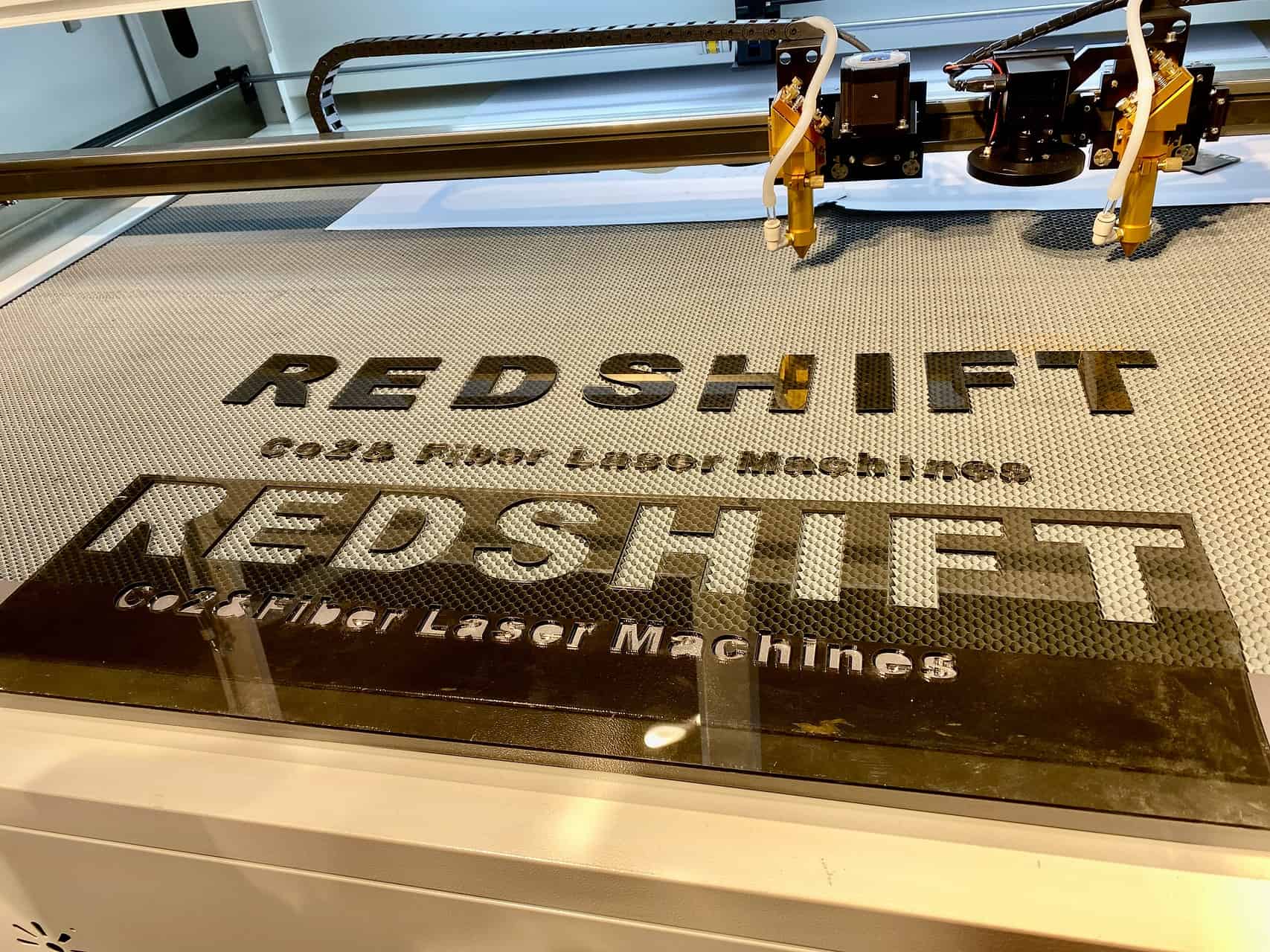
In my work helping textile manufacturers adopt new technologies, I've seen that nothing tests a cutting process like lace. The delicate structures and intricate patterns are a nightmare for traditional blades or manual cutting. Errors are costly, and the process is painfully slow. This is why the shift to CO2 lasers has been so transformative, especially in the high-fashion world. It’s not just an improvement; it's a completely different way of thinking about production. It unlocks a level of detail and efficiency that allows designers to bring their most ambitious visions to life without compromise.
How Can CO2 Lasers Be Used to Improve Lace Cutting Efficiency?
Are your production schedules held back by the slow, labor-intensive process of cutting lace? Relying on manual labor or die-cutting leads to bottlenecks, inconsistent output, and high labor costs.
CO2 lasers improve efficiency by automating the cutting process at high speeds. A laser cuts directly from a digital design file, eliminating the need for physical templates and allowing one operator to manage a machine that does the work of several people, but faster.
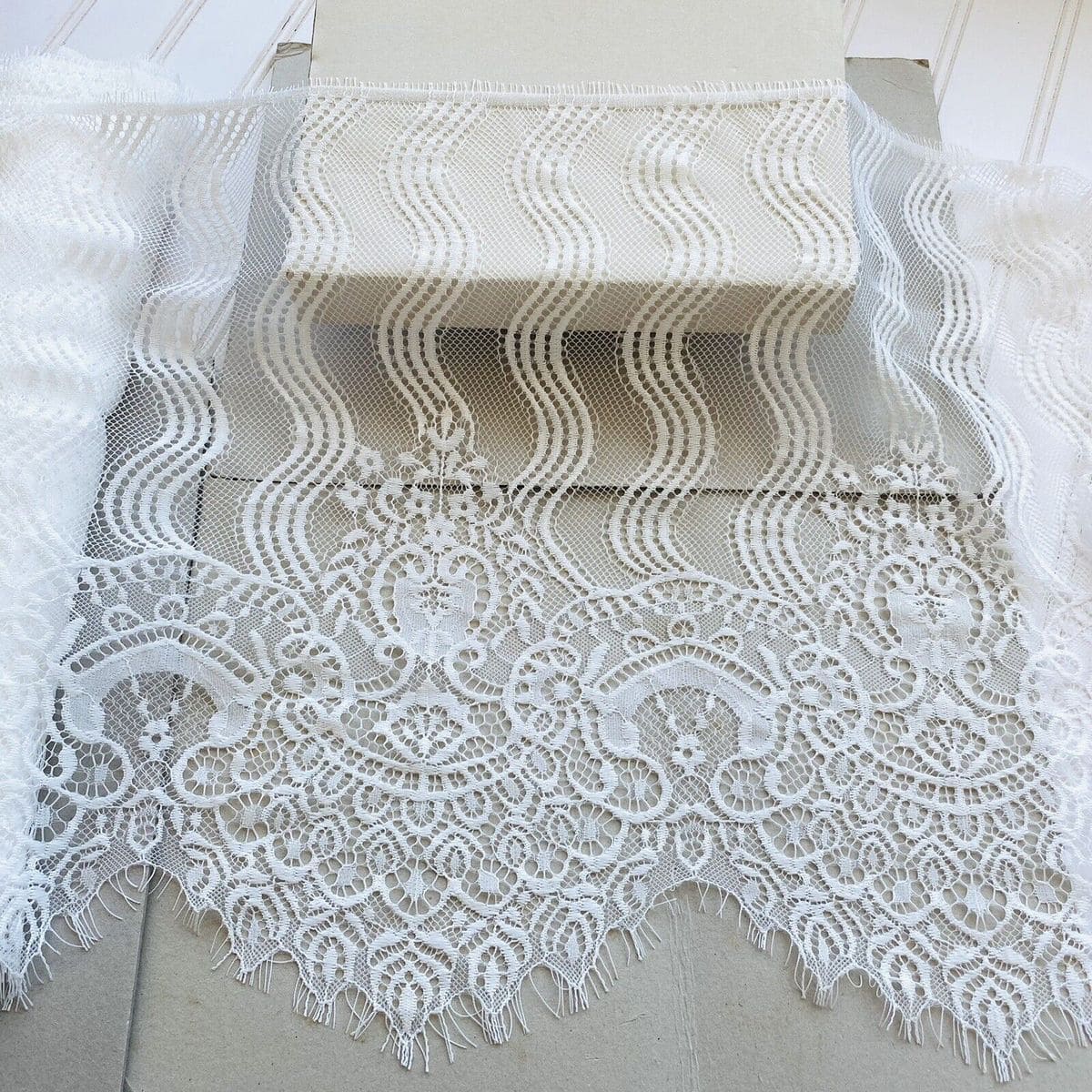
When I visit textile workshops, the cutting table is often the slowest part of the operation. This is especially true for lace. A skilled worker can only move so fast, and their precision can waver after hours of focused work. A CO2 laser, on the other hand, never gets tired. It performs with the same perfect precision on the first piece as it does on the thousandth.
The Key Drivers of Efficiency
- Speed: A laser can move and cut complex curves and sharp points at a speed that is simply impossible for a human hand or mechanical cutter to match. What might take an hour to cut manually can often be completed in a few minutes.
- Automation & Nesting: Modern laser software can take multiple small pattern pieces and automatically arrange them on the roll of lace to minimize waste. This "nesting" process saves valuable material. Once the file is loaded, the machine can run with minimal supervision, freeing up skilled labor for more valuable tasks like sewing and finishing.
- No Tool Wear: Physical blades get dull. Dull blades snag and pull on delicate lace threads, ruining the piece. A laser is a beam of light; it has no blades to sharpen or replace. This ensures consistent, high-quality cuts around the clock and removes the downtime and cost associated with tool maintenance.
Can You Laser Cut Lace for Bridal and Fashion Applications?
Are you hesitant to use new technology on high-value bridal lace, fearing it might burn or damage the delicate material? The risk of ruining expensive fabric makes experimentation seem too dangerous.
Yes, you can. CO2 lasers are ideal for bridal and high-fashion lace. The non-contact cutting process seals synthetic thread edges to prevent fraying, and precise power control allows for clean cuts without heat damage or discoloration.

This is one of the most critical questions, and the answer is an emphatic yes. In fact, top designers depend on it. That's why Julia Kontogruni, known as the "Hermès of Bridal Fashion," trusts our CO₂ laser machines for their collections. Bridal gowns feature some of the most expensive and delicate lace in the world. There is zero tolerance for error.
A laser cut is not a burn mark. It's a process of instant vaporization. The beam's A laser cut is not a burn mark. It's a process of instant vaporization. The beam's energy is so focused and moves so quickly that the heat-affected zone is microscopic. The result is a perfectly clean edge. For lace containing synthetic fibers (like polyester or nylon), the laser actually provides a superior finish by melting and sealing the tiny threads. This creates a smooth, durable edge that won't unravel during handling and sewing. The precision also allows designers to create complex lace overlays and appliqués that seamlessly blend into the garment, a hallmark of haute couture.
How Does Laser Cutting Fabric Work for Home Textiles?
Can the precision of laser cutting be applied to larger-scale home textile products? You may wonder if the technology is practical for items like lace curtains, tablecloths, and decorative runners.
For home textiles, a CO2 laser with a large-format bed and an automated feeding system can continuously cut lace from a roll. This is perfect for producing long items like curtains or repeating patterns for tablecloths with perfect consistency.
While high fashion gets a lot of attention, the principles of laser cutting scale up beautifully for the home textiles market. The main difference is the size of the material and the need for continuous production. Producers in this space use large-format CO2 laser systems equipped with conveyor beds.
The workflow is highly efficient:
- Automated Feeding1: A roll of lace fabric2 is placed on an automatic feeder that smoothly pulls the material onto the laser's cutting bed.
- Continuous Cutting3: The laser cuts the pattern4 for one section (e.g., one curtain panel). The software is programmed to cut patterns that may be much longer than the machine's bed.
- Conveyor Advancement: Once a section is complete, the conveyor bed automatically advances the fabric forward, placing the next uncut section into the cutting area.
- Repeating the Process: The laser begins cutting the next section, often while the previously cut pieces are being collected at the other end.
This automated roll-to-piece process makes lasers incredibly effective for producing items like decorative table runners, intricate lace placemats, and custom-length curtain panels with flawless, repeating patterns.
Can CO2 Lasers engrave Custom Lace fabric for Accessories?
Beyond just cutting, can you use a laser to add texture and unique patterns to lace? Offering more than a simple cutout could be a powerful way to differentiate your products.
Yes, CO2 lasers can be used to engrave lace. By reducing the laser's power, it can etch away the top surface of the fabric, creating subtle textures, patterns, or branding without cutting all the way through.

This is where you can move from manufacturer to designer. Engraving, or "laser etching," is a fantastic way to add value and create truly unique products. The process is all about power control. Instead of delivering enough energy to vaporize the material completely (cutting), you use just enough to remove a very thin top layer.
This technique is perfect for creating accessories where subtle detail matters. Imagine a velvet choker with a delicate lace pattern engraved onto its surface, or a leather cuff with a lace appliqué that has a secondary pattern etched into it. You can create tonal effects, logos, or geometric designs that add a layer of sophistication. This capability allows you to combine textures and patterns in ways that are impossible with any other technology. It's a powerful tool for creating signature pieces and capturing the high-margin custom accessories market.
Conclusion
CO2 laser machines offer the ultimate solution for lace cutting. They provide the precision, efficiency, and creative versatility needed to meet the demands of modern fashion, bridal, and home textile markets.
Related:
-
Explore this link to understand how Automated Feeding enhances efficiency in fabric cutting processes. ↩
-
Discover the versatility of lace fabric and its applications in various industries by visiting this resource. ↩
-
Understanding Continuous Cutting can enhance your knowledge of laser technology and its applications in various industries. ↩
-
Exploring how lasers cut patterns can provide insights into modern manufacturing techniques and their efficiency. ↩