Skip to content

Is your printing business struggling with thin margins and limited services? Relying solely on ink on paper leaves you vulnerable while competitors diversify into more profitable markets.
CO2 lasers enable printing businesses to expand into high-margin sectors like custom packaging, apparel, and promotional products. By integrating precision cutting and engraving, you can offer new services, reduce outsourcing costs, and become a more versatile, profitable one-stop shop for your clients.
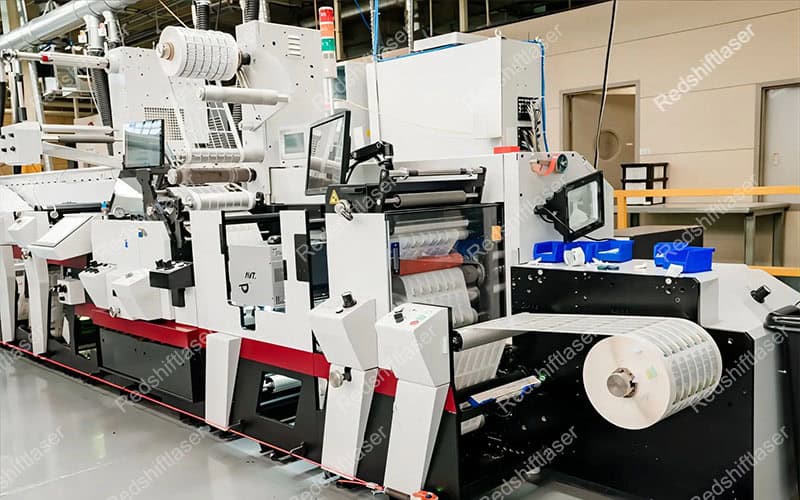
I've consulted with many printing companies that hit a growth ceiling. They are experts at putting ink on a substrate, but that's where their service ends. The moment a client needs a custom shape, a detailed cutout, or a unique material finish, the job gets outsourced, and profits walk out the door. The smartest move I've seen these businesses make is investing in a CO2 laser. It's not just another machine; it's a key that unlocks adjacent industries, transforming a traditional printer into a full-service creative production house.
What are CO₂ Laser Machines Used for Printing Labels and Packaging?
Are you losing label and packaging jobs because of the high cost and slow turnaround of traditional die-cutting? Creating custom dies for short runs is often too expensive for your clients.
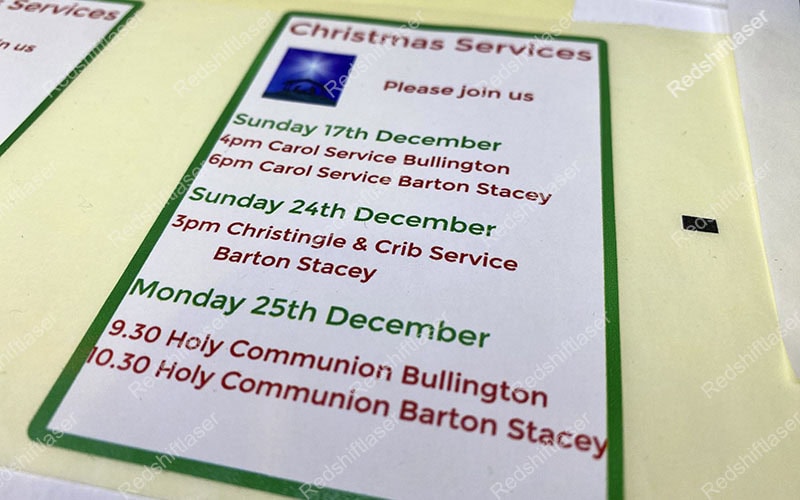
CO₂ lasers are used for "die-less cutting," allowing for the on-demand cutting of intricate label shapes and the scoring of packaging prototypes directly from a digital file. This eliminates the cost and delay of creating a physical die.
Get Quote of Digital Laser Die Cutter
The real bottleneck in short-run packaging and label production has always been the die. A die is a custom-made metal tool, like a cookie-cutter, used to stamp out shapes. It's expensive to make and only works for one specific design. In my experience, this is where print shops lose the most flexibility. A laser completely removes this obstacle. It's a universal cutter that works from a digital file, meaning you can produce one custom box or ten thousand with no tooling changes. This "die-less" workflow allows you to offer services that were previously impossible or unprofitable.
| Feature | Traditional Die-Cutting | CO₂ Laser Cutting |
|---|---|---|
| Setup Cost | High (cost of creating a metal die) | Zero (uses a digital file) |
| Turnaround Time | Slow (days or weeks to make a die) | Instant (load file and press start) |
| Design Complexity | Limited by the physical die | Nearly unlimited, including fine details |
| Ideal Run Size | Long runs (to amortize die cost) | Any run size, from one to thousands |
What are the Applications of CO₂ Laser Technology in Printed Textiles and Clothing?
Do you want to enter the profitable custom apparel market but feel limited to just printing on blank t-shirts? Adding unique cuts and finishes seems to require a whole different set of skills and machinery.
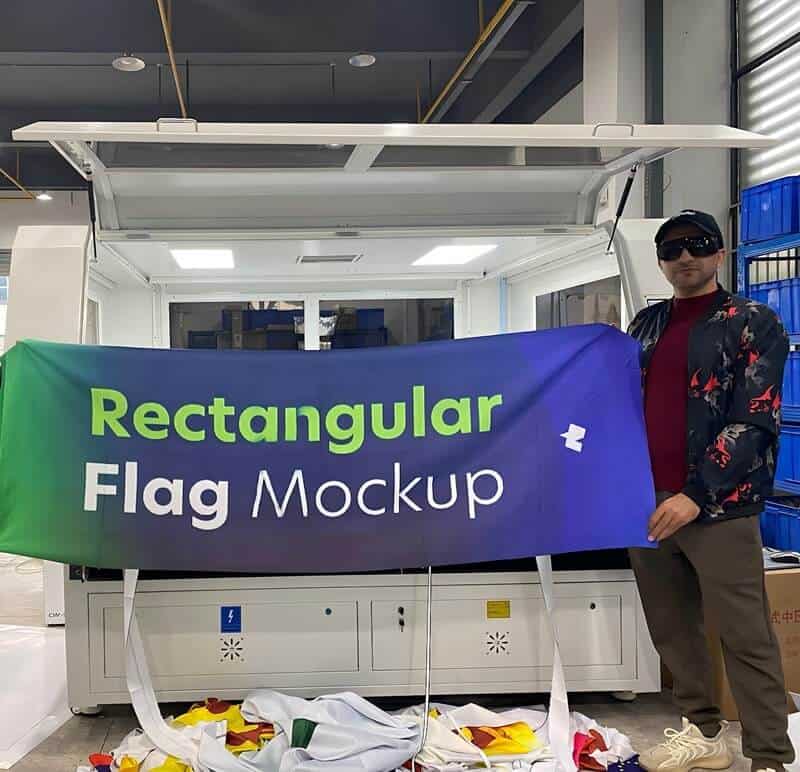
In textiles, CO₂ lasers are used to precisely cut printed heat transfer vinyl ("kiss-cutting"), create fabric appliqués, and directly engrave designs onto materials like denim and fleece for a premium, textured look.
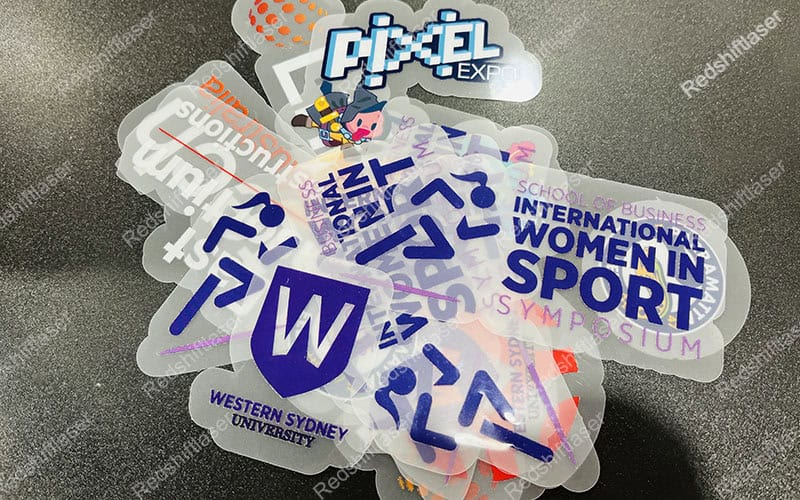
For a print business, the most logical step into apparel is through heat transfers. You already know how to print the designs. A laser perfects the process. It can perform a "kiss cut," where it slices through the printed vinyl but leaves the backing paper intact. This allows for incredibly intricate, weed-less designs that are impossible with a blade plotter. But it goes further. You can use the laser to cut fabric letters or shapes for appliqué, a high-value look popular on sportswear. You can also directly engrave onto fabrics—for example, creating a stylish distressed look on denim or a subtle, tonal monogram on a fleece blanket. This technology elevates a simple printed garment into a custom-crafted piece.
Get Quote of our Vision Laser Cutter
How Efficient Are CO₂ Lasers and How Do They Help Reduce Outsourcing Costs for Manufacturers?
Is your profit being eaten away by outsourcing fees for custom cutting? Relying on third-party vendors adds costs, introduces delays, and gives you zero control over the final quality.
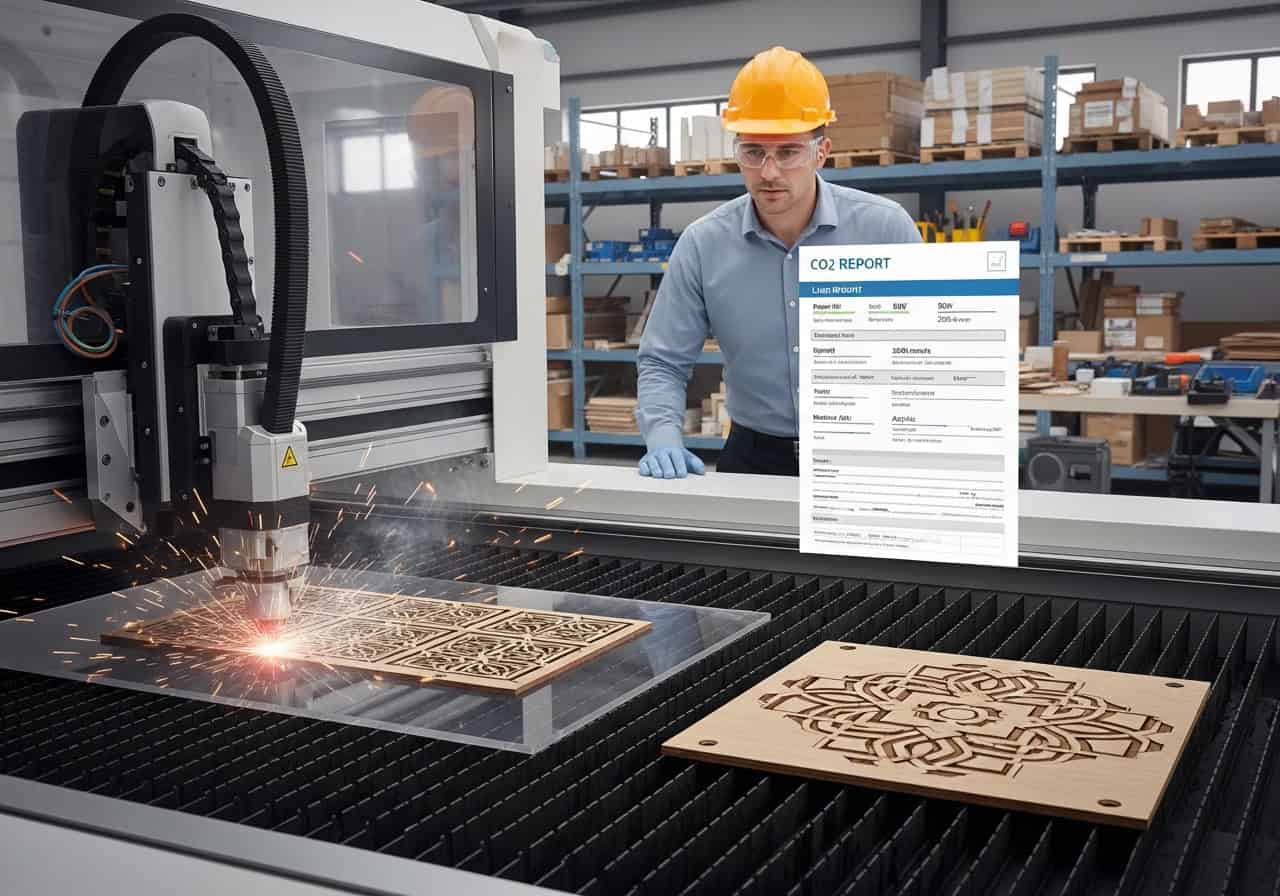
CO₂ lasers are extremely efficient due to their high speed and minimal setup time. By bringing this capability in-house, a business eliminates vendor markups, shipping fees, and production delays, immediately boosting profit margins and shortening lead times.
I always advise businesses to look at their outsourcing bills. It's often a silent killer of profitability. Every time you send a job out for custom cutting, you're paying for someone else's equipment, labor, and profit margin. Bringing a CO2 laser in-house is one of the fastest ways to reclaim that profit. The workflow becomes incredibly streamlined: your designer finishes a file, sends it directly to the laser, and minutes later, the parts are cut. There's no back-and-forth with a vendor, no waiting for a shipment to arrive, and no surprise quality issues. You gain complete control over the entire production chain. This efficiency means you can confidently accept rush jobs and small, custom orders—the exact type of high-margin work that is impossible to profit from when relying on outsourcing.
Are CO₂ Laser Engraving Businesses Profitable in the Textile and Packaging Industry?
You see the potential, but is the investment in a laser genuinely profitable? It's crucial to know if there is real market demand for laser-cut and engraved products.
Yes, CO₂ laser services are highly profitable. They enable you to offer high-value products like personalized packaging, intricate wedding invitations, and custom apparel, which command premium prices well above standard printing.
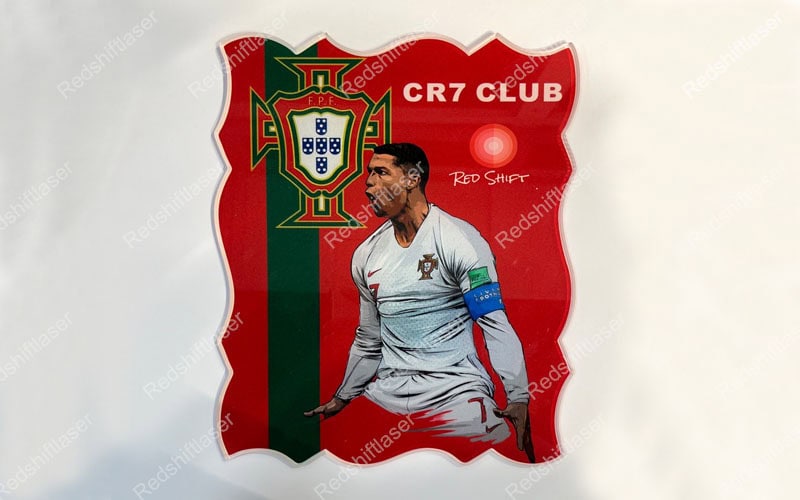
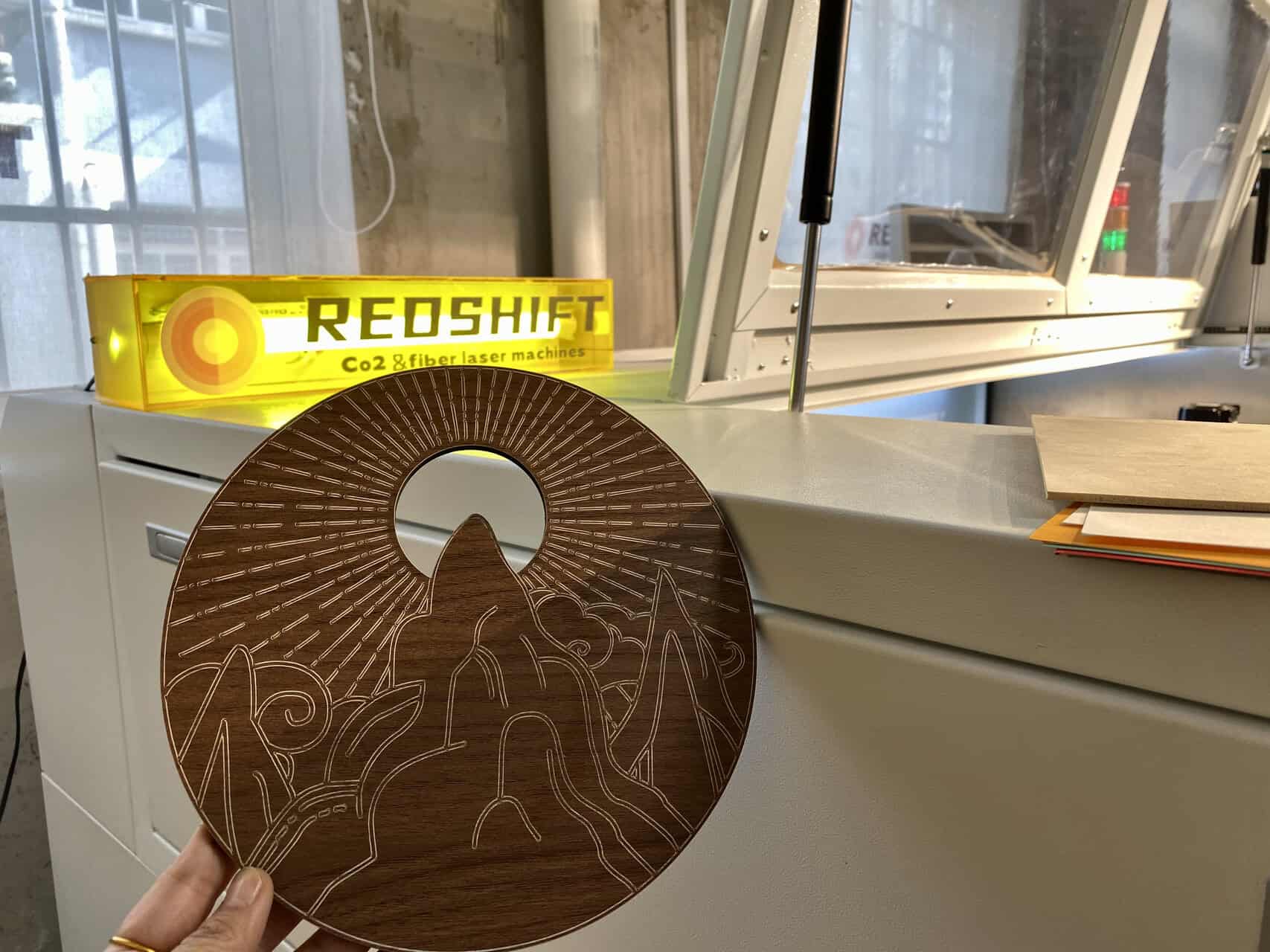
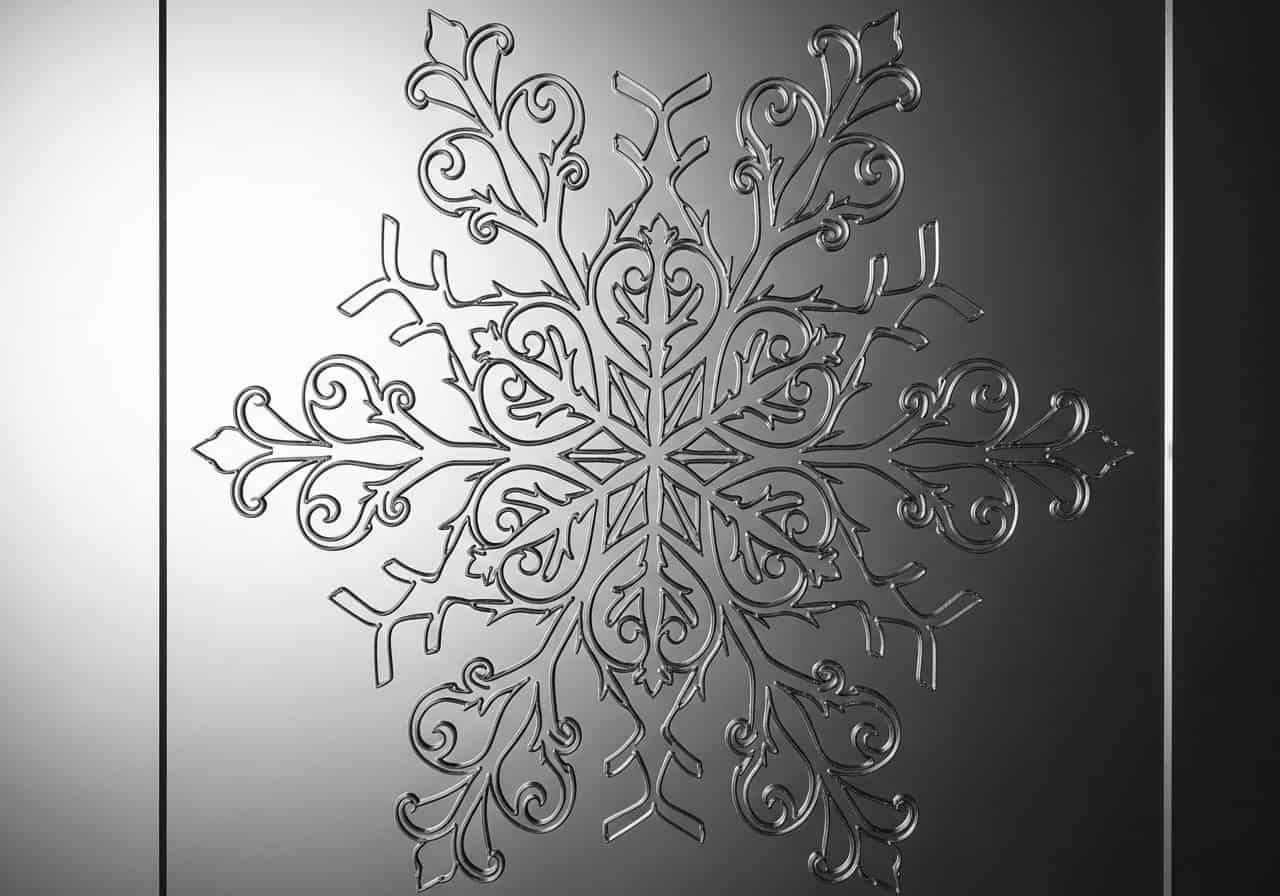
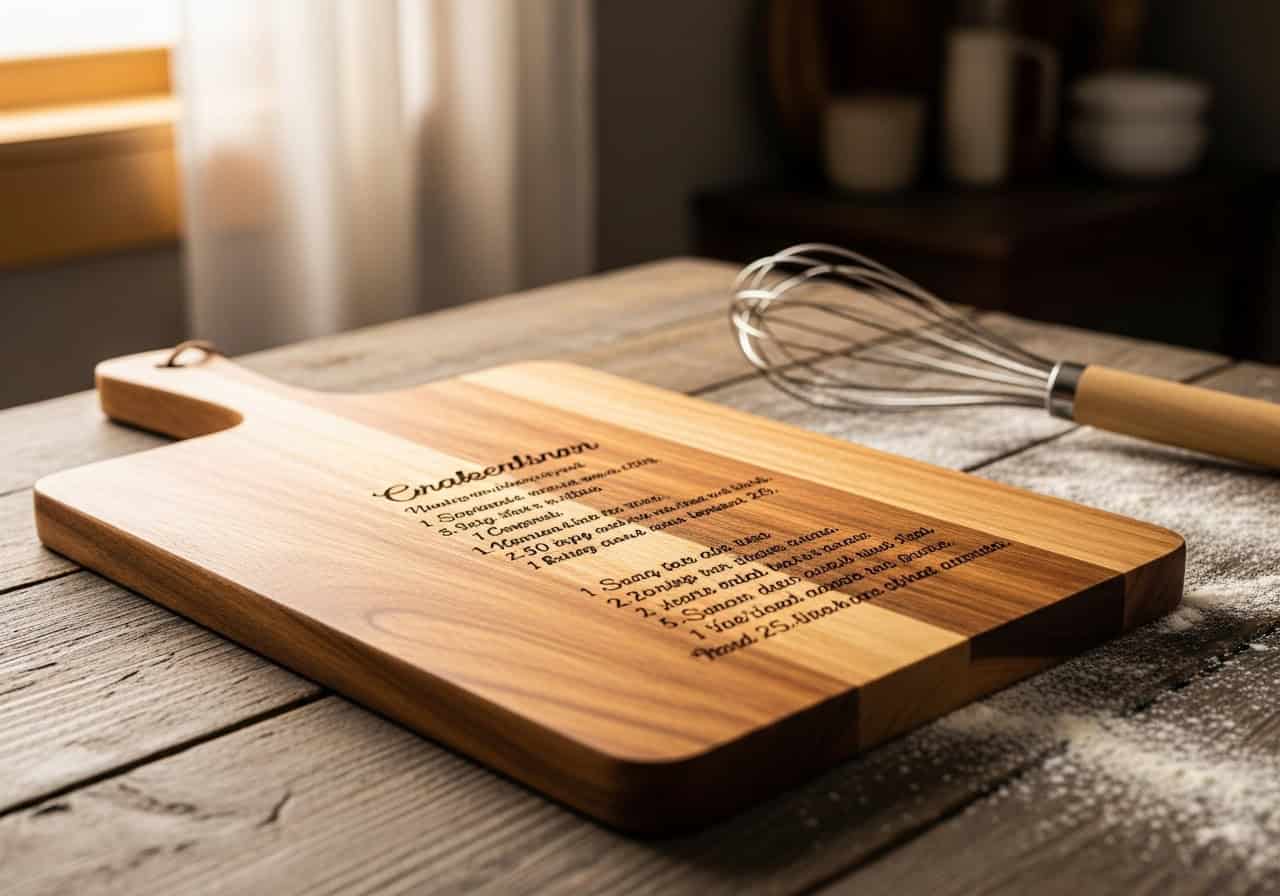
Profitability comes from creating value that customers are willing to pay for. A standard printed brochure has a-market rate, and the margins are thin. But what about a menu engraved on wood? Or a wedding invitation with a delicate, lace-like cutout? These are not commodities; they are custom creations.
Get Quote of our CCD Laser Cutter
Paths to Profitability:
- Added Value: The ability to cut, score, and engrave transforms a simple printed sheet into a three-dimensional, tactile product. This perceived value allows you to charge significantly more. An engraved leather patch1 on a hat, for instance, commands a much higher price than a simple screen-printed logo.
- New Product Lines: A laser opens the door to entirely new markets you couldn't serve before. Think promotional items2 (engraved keychains, custom coasters), signage (acrylic lettering), and architectural models.
- Cost Savings: As discussed, eliminating outsourcing directly adds to your bottom line on existing jobs.
From my observation, the businesses that succeed with lasers don't just see them as a cutting tool3. They see them as an engine for product innovation4.
Conclusion
A CO₂ laser is more than an equipment upgrade; it's a new business strategy. It allows a printing company to break free from paper, diversify its services, and build a more resilient, profitable future.
Related:
-
Discover how engraved leather patches can enhance product value and justify higher pricing. ↩
-
Explore innovative promotional items that can elevate your brand and attract more customers. ↩
-
This resource will help you understand the role of cutting tools in enhancing manufacturing processes and productivity. ↩
-
Exploring this link will provide insights into how product innovation drives business success and competitiveness. ↩