Skip to content

Summary
A strategic evaluation framework for the acquisition of industrial CO₂ laser systems. This checklist is designed to mitigate risk, ensure performance alignment, and maximize the long-term return on your capital investment.
Section 1: Pre-Purchase Due Diligence & Validation
This initial phase focuses on verifying supplier claims and ensuring the proposed system is fundamentally aligned with your operational needs before any capital commitment.
1.Material & Application Validation
Rationale: To eliminate performance uncertainty and avoid a poor investment, you must validate the machine's capabilities on your specific materials and applications.
Actionable Checklist:
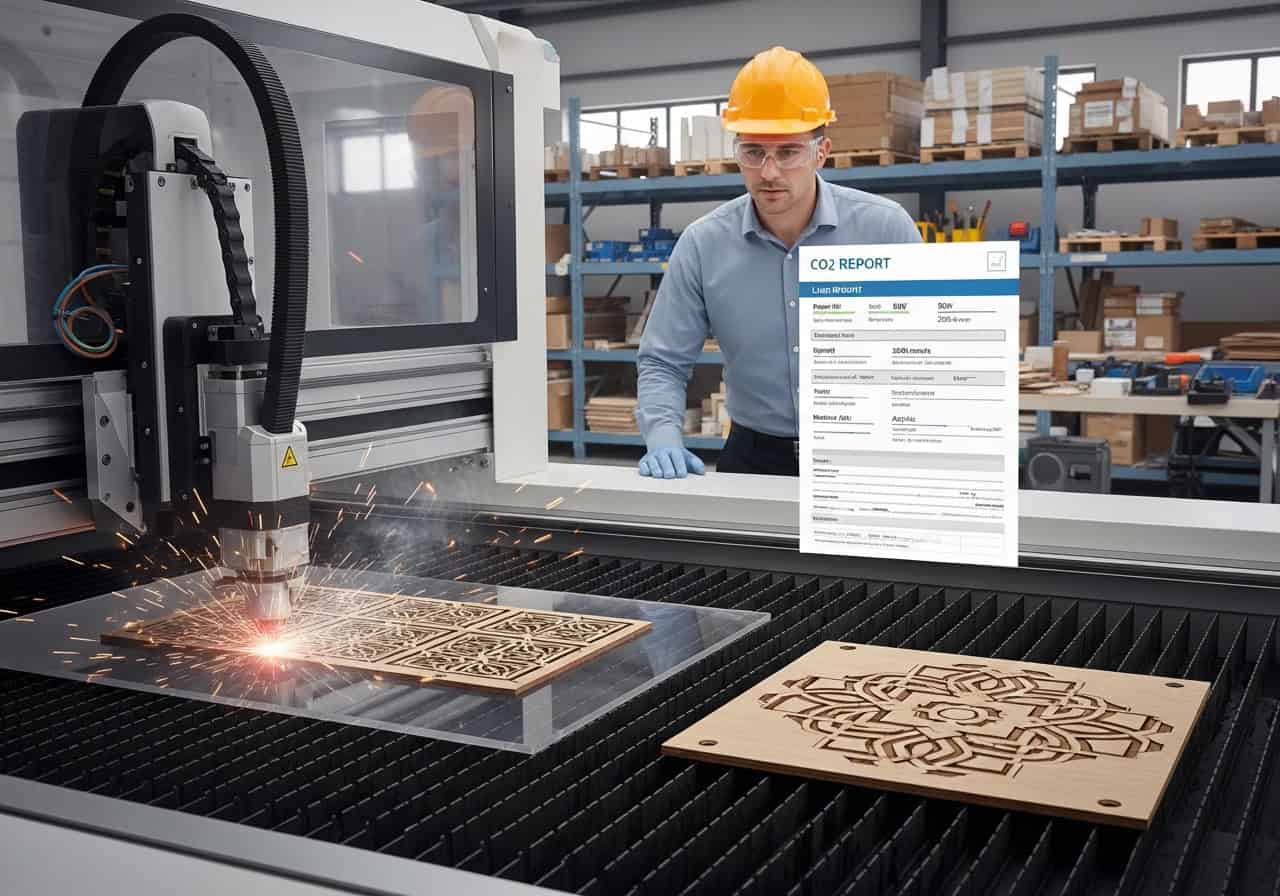
- Insist on a live or recorded demonstration using your most common and challenging materials.
- Provide your own design files to test for accuracy, speed, and quality.
- Request a detailed report documenting the settings used (power, speed, frequency) to achieve the results, ensuring they are repeatable in a production environment.
2.Unified System Warranty & Accountability
Rationale: A system built with components from various manufacturers can create warranty disputes. A single-source warranty establishes a clear point of accountability for all performance and service issues.
Actionable Checklist:
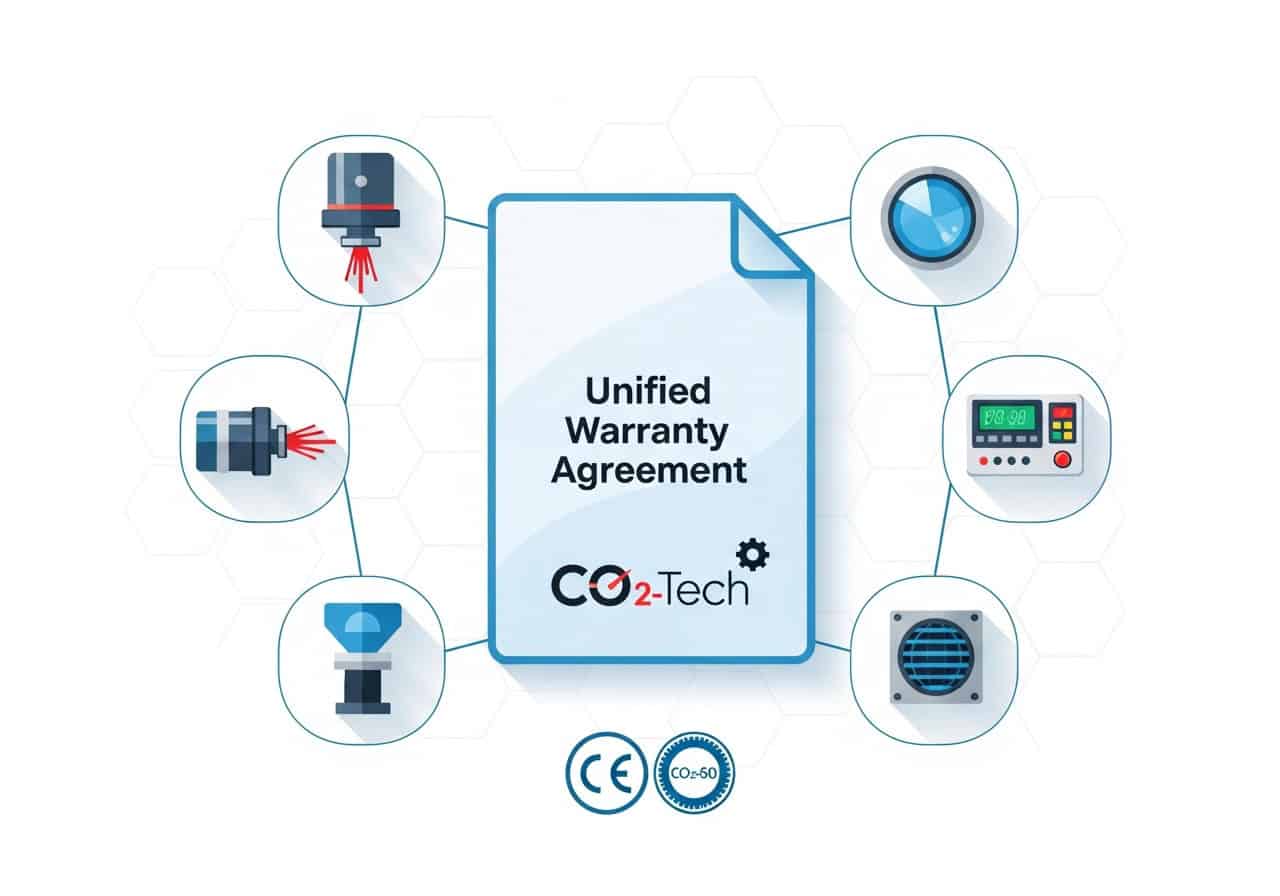
- Confirm that the primary manufacturer provides a comprehensive warranty covering the entire system, including the laser source, motion system, and optics.
- Verify that the system holds a unified CE conformity (or relevant regional certification) from the primary manufacturer, not just for individual components.
3.Comprehensive After-Sales Support & Training
Rationale: The value of the system is directly tied to the quality of post-purchase support. Excellent service ensures high uptime and allows your team to maximize the equipment's potential.
Actionable Checklist:
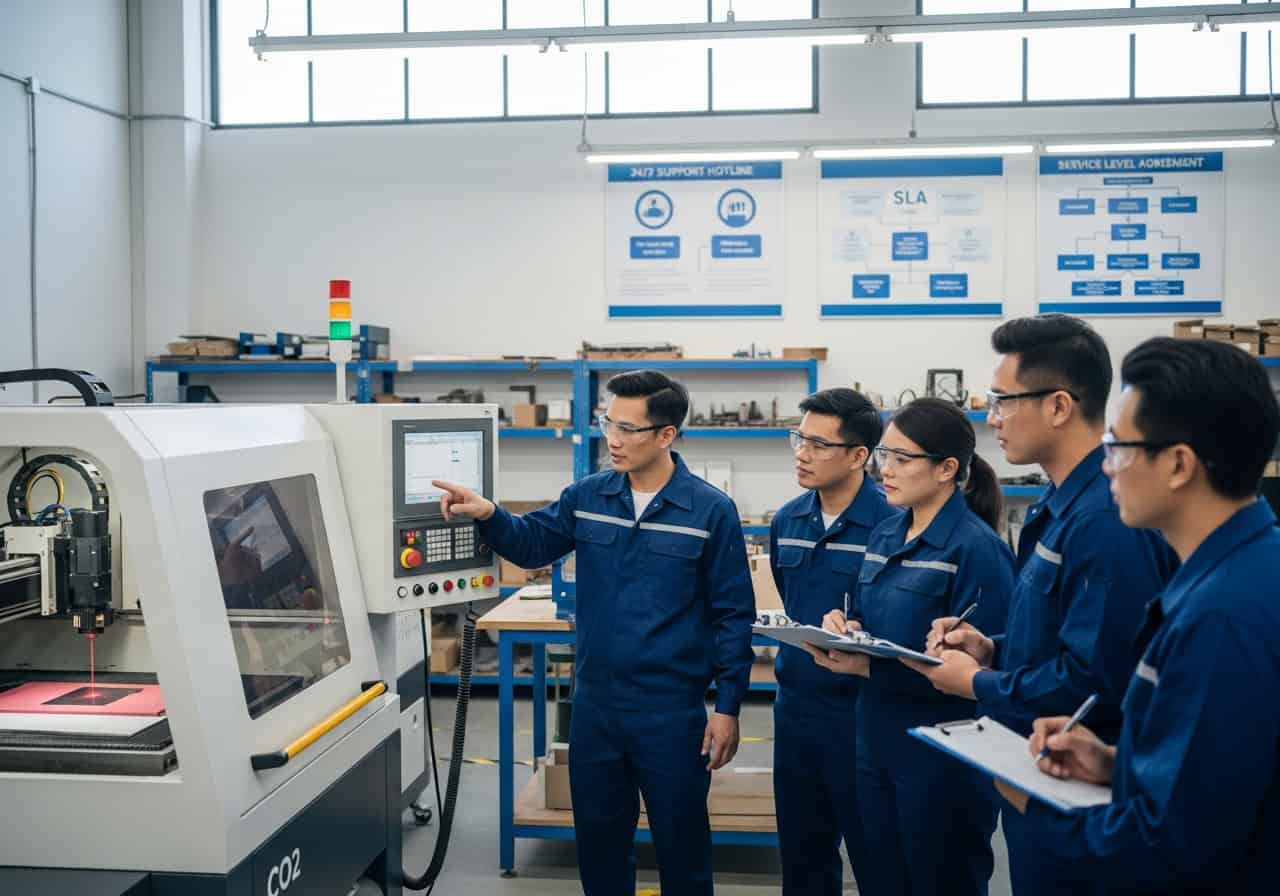
- Obtain a detailed Service Level Agreement (SLA) outlining response times, support channels, and service costs.
- Ensure the supplier offers comprehensive on-site training for operators and maintenance staff covering operation, safety protocols, and basic troubleshooting.
- Inquire about ongoing access to application support for future projects.
Section 2: Technical Configuration & Performance
This section evaluates the core engineering and software components that dictate the system's quality, speed, and reliability.
4.Application-Specific System Configuration
Rationale: A generic, off-the-shelf system will not deliver optimal quality or throughput. The technology must be configured to meet the unique demands of your materials and production goals.
Actionable Checklist:
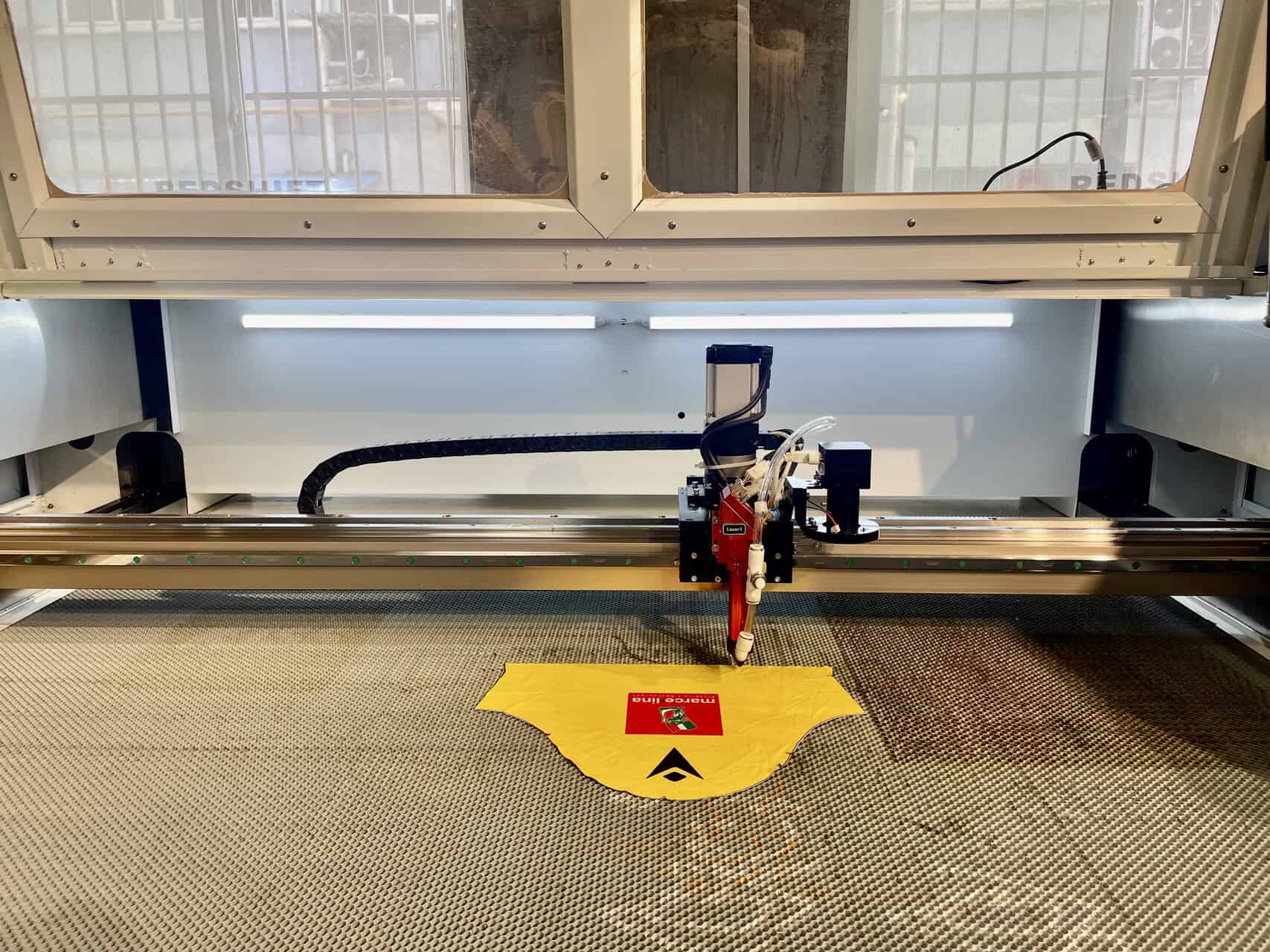
- Verify the supplier can customize key components like the laser source power, lens configuration, and table type (e.g., honeycomb, knife-edge) for your specific application.
- Discuss options for exhaust systems and air assist to ensure they are matched to your cutting/engraving needs.

5.Motion System: Robust Lightweight Design
Rationale: The gantry's design directly impacts speed and precision. Heavy components limit acceleration and can introduce vibrations, degrading engraving quality at high speeds.
Actionable Checklist:
- Inquire about the construction materials of the moving axes (e.g., extruded aluminum, steel).
- Ask the supplier for the maximum acceleration (g-force) and travel speed (mm/s) specifications.
- During the demo, request a high-speed engraving test to check for signs of vibration or ghosting in the output.

6.Laser Source: Industrial-Grade Technology
Rationale: The laser source is the heart of the system. For industrial use, a sealed metal or ceramic RF-excited source offers far greater longevity, stability, and faster switching speeds than cheaper DC-excited glass tubes.
Actionable Checklist:
- Specify a metal or ceramic RF-excited laser source for any industrial application.
- For systems above 60W, confirm that it includes a robust, closed-loop water chiller to maintain stable laser power during long production runs.
- Ask for the expected lifespan of the laser source (typically 20,000+ hours) and the cost and process for eventual recharging or replacement.
7.Optics: Durability & Serviceability
Rationale: The optical components (lenses, mirrors) are critical for beam quality but are also vulnerable. A robust design minimizes downtime and repair costs from minor material collisions.
Actionable Checklist:
- Examine the cutting head assembly. It should be robustly built yet allow for fine adjustments.
- Clarify the cost and availability of consumable optical components like lenses and mirrors.
- Prefer systems with minimal complex electronics integrated directly into the cutting head to reduce the cost of potential repairs.
8.Exhaust System: Efficiency & Air Quality
Rationale: Inadequate extraction leads to a hazardous work environment, dirties the machine's optics, and can stain materials. A well-designed system is matched to the machine's volume and application.
Actionable Checklist:
- Ensure the system includes both top- and bottom-extraction capabilities, especially for cutting applications.
- Verify that the airflow capacity of the extraction unit is correctly matched to the machine's work area.
- Discuss filtration options (e.g., activated carbon, HEPA) required for your specific material emissions.

9.Open Software & Control Architecture
Rationale: Proprietary design software creates vendor lock-in, increases training time, and limits flexibility. An open system allows you to use industry-standard design programs.
Actionable Checklist:
- Confirm the machine controller works with standard driver software, allowing you to design in programs like Adobe Illustrator, CorelDRAW, or AutoCAD.
- Verify that the control software operates on a standard Windows/Mac PC, avoiding reliance on proprietary hardware.
- Ensure your design and data preparation workflow can remain independent of the machine itself, saving on software investment and retraining.

Section 3: Physical Installation & Ergonomics
This section covers the practicalities of integrating the machine into your facility and ensuring it is safe and efficient for operators.
10.Workspace & Modular Installation
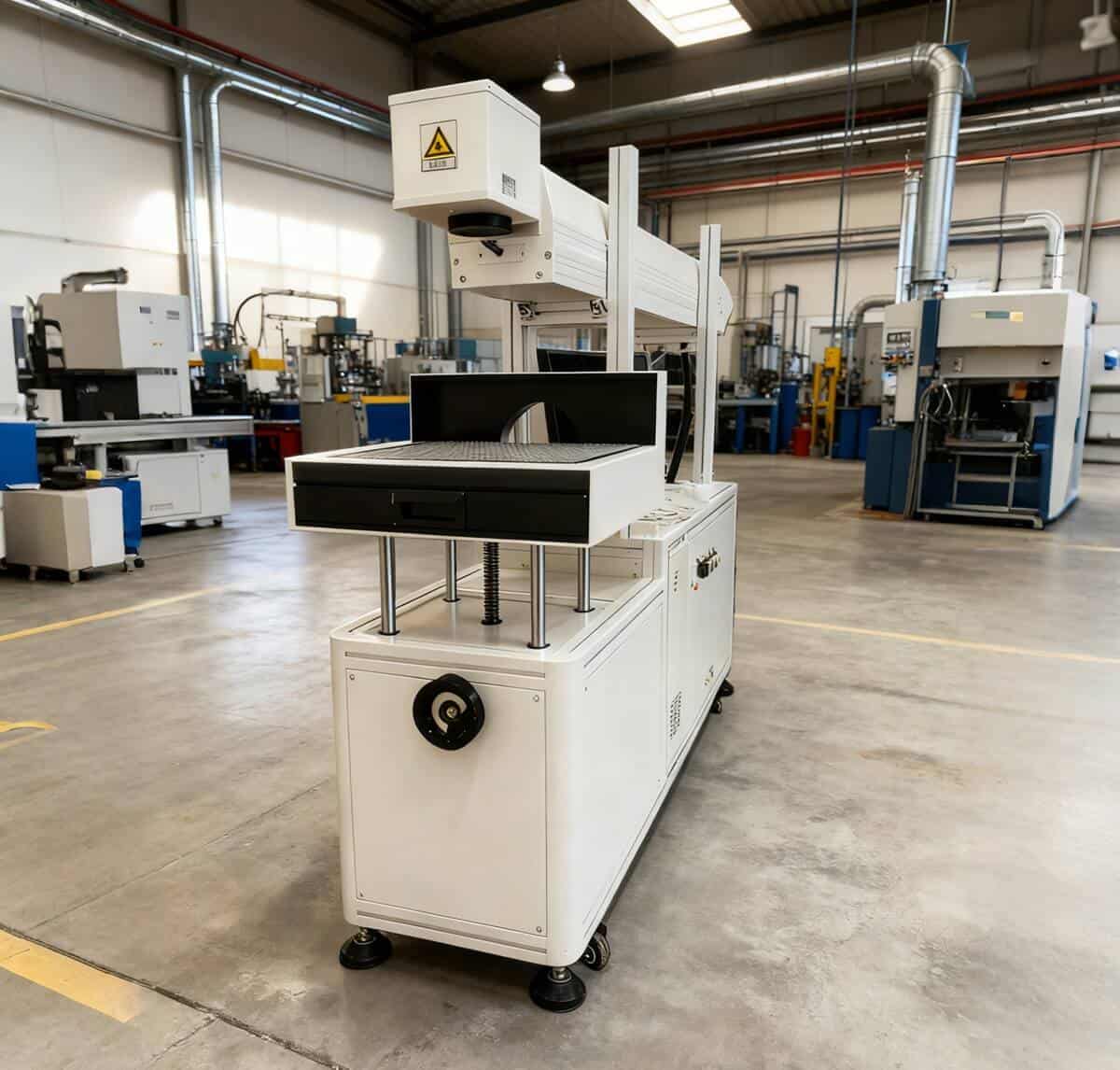
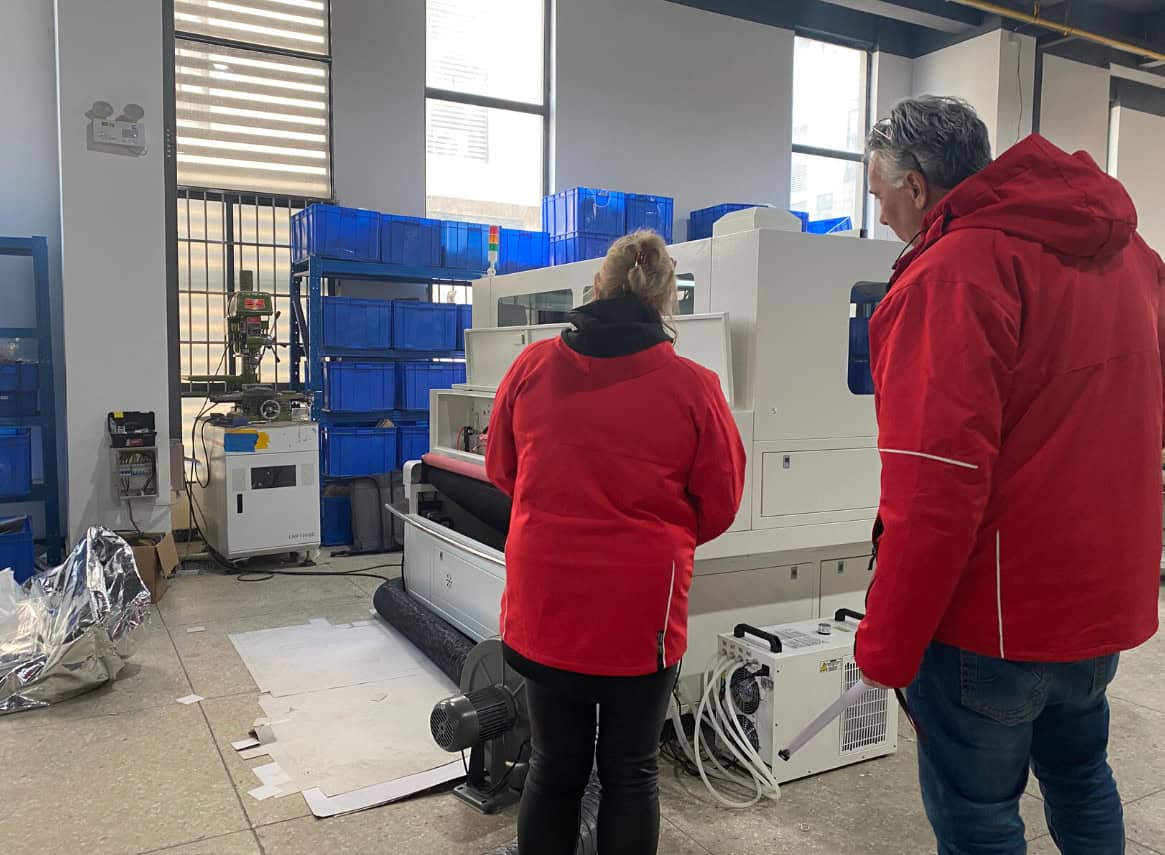
Rationale: The machine must fit your current and future needs. A modular design simplifies installation in facilities with limited access, avoiding the need for cranes or major building modifications.
Actionable Checklist:
- Select a table size that accommodates your largest standard material sheets, with room for future product growth.
- Confirm with the supplier that the machine can be disassembled into modules to fit through standard doorways and freight elevators.
11.Ergonomics & Operational Safety
Rationale: Safety cannot be compromised. The system must be fully enclosed (Class 1 laser product) to protect personnel, while still allowing efficient access for material loading and unloading.
Actionable Checklist:
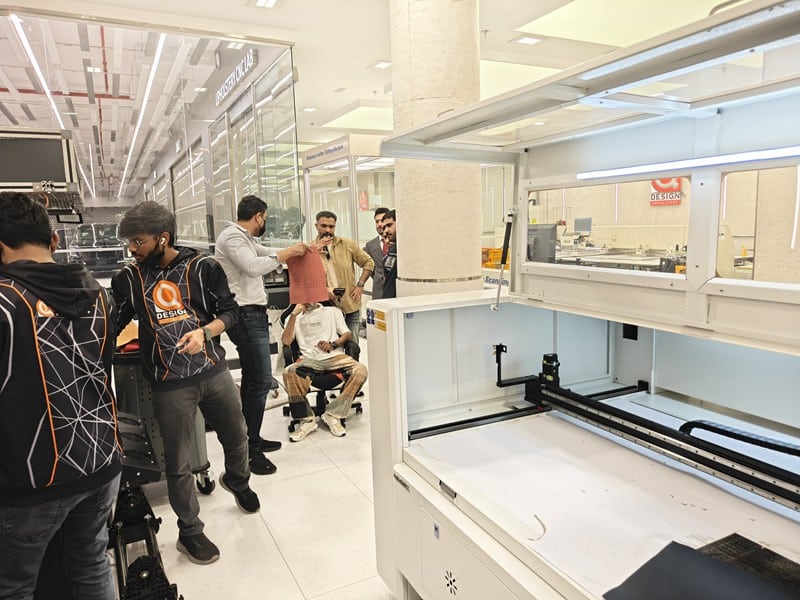
- Verify the machine has a fully interlocked enclosure that prevents beam operation when any access door is open.
- Assess the ease of access to the work area. A pass-through design or easily opened lid is critical for operator efficiency.
- Ensure safety features (e.g., e-stop buttons) are easily accessible but do not hinder normal operation.
Section 4: Long-Term Viability & Total Cost of Ownership (TCO)
This final section assesses the factors that determine the system’s value and cost-effectiveness over its entire operational life.
12.System Modularity & Upgrade Path
Rationale: Your business needs will evolve. A modular system that allows for future upgrades (e.g., higher power laser, new tool heads) protects your initial investment.
Actionable Checklist:
- Discuss the machine's "future-proofing." Can the laser source be upgraded later?
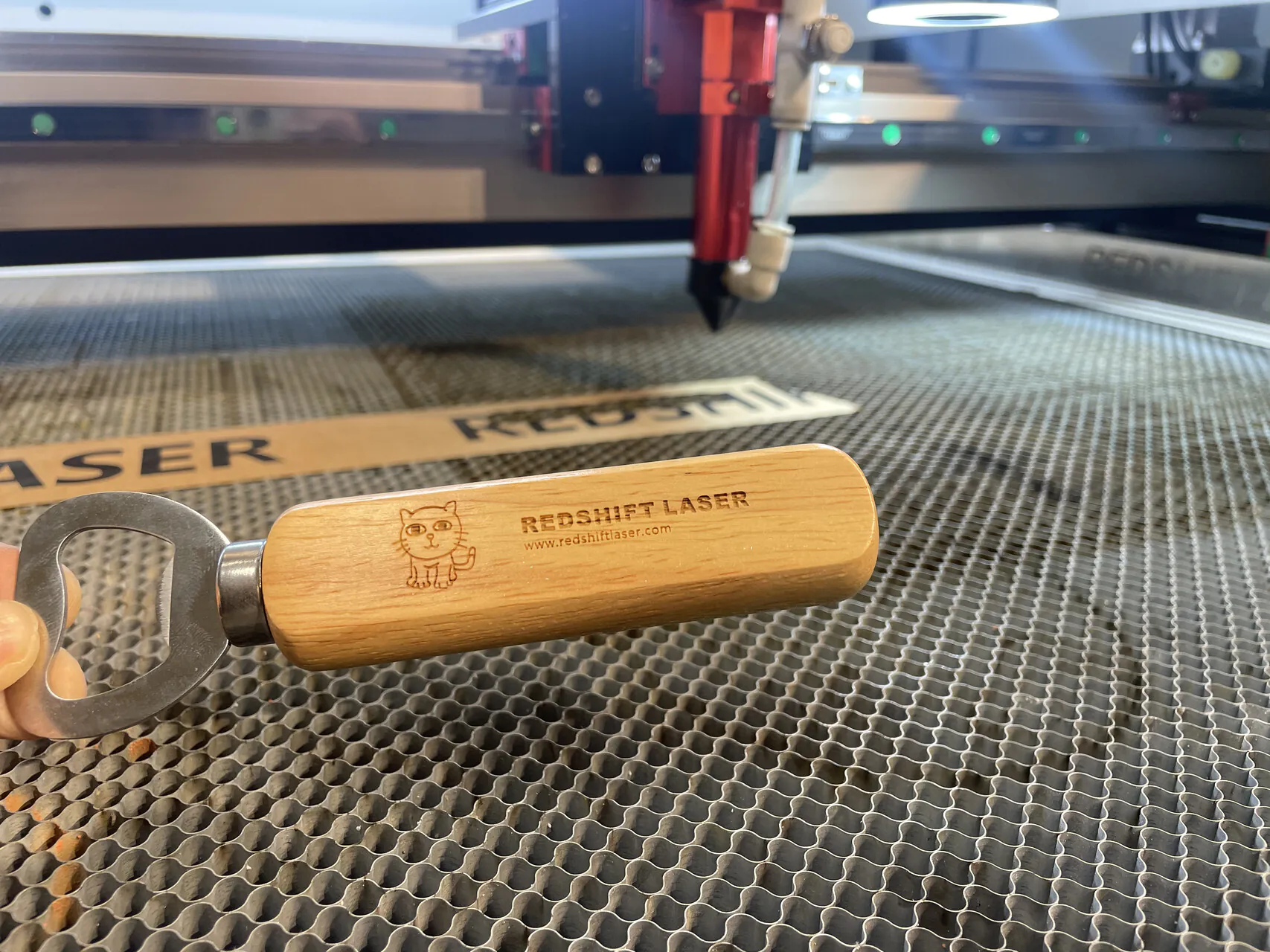
- Inquire about adding other tool heads, such as oscillating knives or milling spindles, if your material needs might diversify.
13.Automation & Throughput Optimization
Rationale: Machine downtime during loading and unloading generates zero revenue. Automation features can dramatically increase the machine’s effective output and cost-effectiveness.
Actionable Checklist:
- Explore options like shuttle table systems, conveyor beds, or camera registration systems to minimize non-productive time.

14.Predictable Maintenance Costs
Rationale: Ongoing costs must be manageable and predictable for accurate financial planning.
Actionable Checklist:
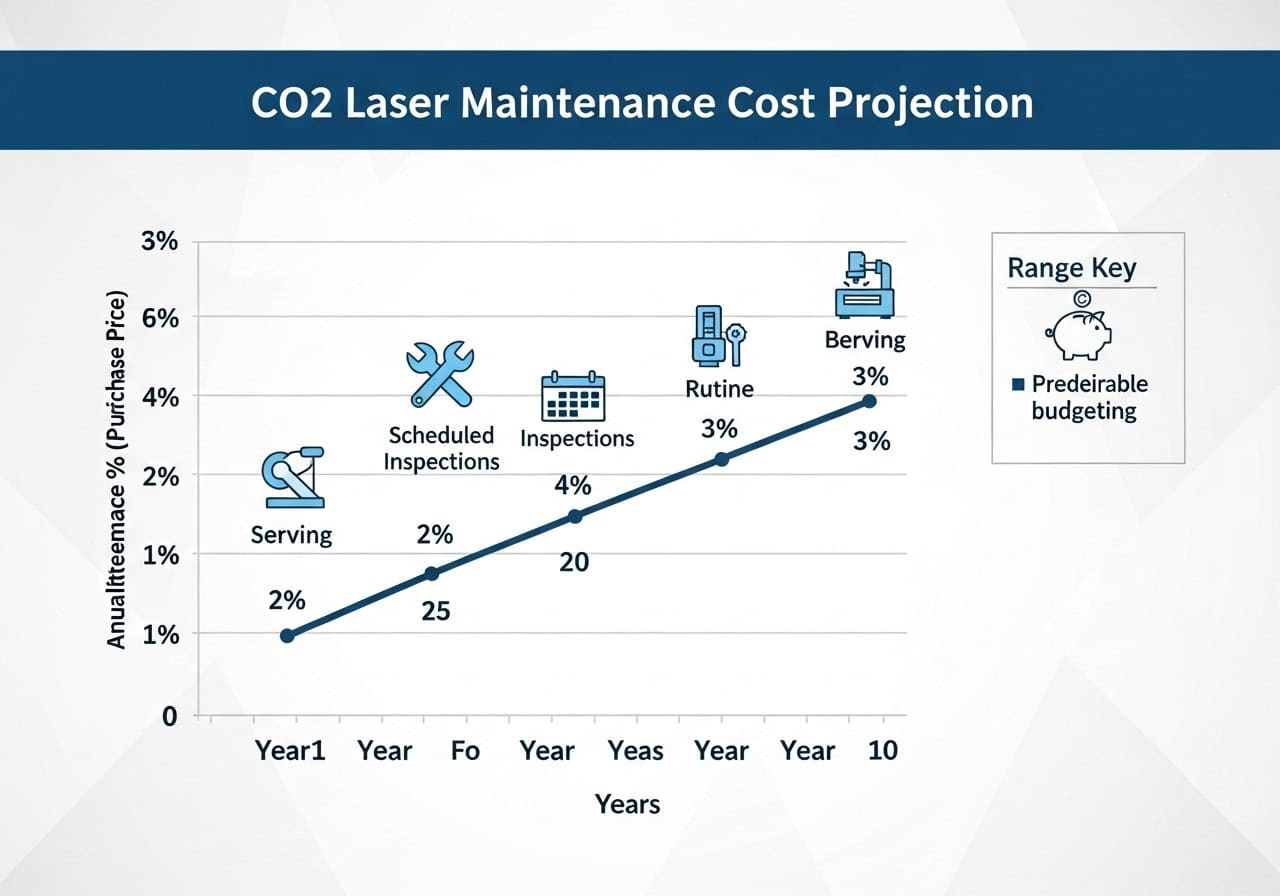
- Request a multi-year projection of routine service and maintenance costs. As a benchmark, these costs should not exceed 2-3% of the initial purchase price annually.
15.Long-Term Spare Parts Availability
Rationale: The inability to source a critical spare part can render an expensive machine useless. A long-term availability guarantee is a crucial indicator of a reliable manufacturing partner.
Actionable Checklist:
- Secure a written commitment from the supplier guaranteeing the availability of critical spare parts for a minimum of 10 years post-purchase.
- Confirm they have a global or regional parts depot for rapid fulfillment.

Conclusion
The acquisition of an industrial CO₂ laser system is a strategic decision that transcends the initial purchase price. This 15-point checklist is designed to empower you, the purchasing manager, to move beyond feature lists and sales brochures to conduct a thorough, 360-degree evaluation.
By rigorously assessing pre-purchase validation, technical configuration, long-term viability, and the quality of the supplier partnership, you mitigate risk and ensure the selected system is not merely a tool, but a robust, profitable, and future-proof asset. A successful procurement process focuses on Total Cost of Ownership (TCO) and operational uptime, securing not just a piece of equipment, but a competitive advantage for your manufacturing operations for years to come.
Frequently Asked Questions (FAQ)
1. Why shouldn't I just choose the system with the lowest price?
The initial price often hides long-term costs. A cheaper system may use lower-quality components (like glass laser tubes) that fail sooner, lack robust support, and have higher maintenance costs, resulting in a higher Total Cost of Ownership (TCO) and more downtime.
2. What is the single most important component to scrutinize?
The laser source. For industrial use, a sealed metal/ceramic RF-excited source is non-negotiable. It dictates the system's lifespan, reliability, and application quality, making it the most critical factor for long-term performance.
3. How much should I budget for annual maintenance?
A well-built, properly maintained industrial system should have predictable costs. Budget approximately 2-3% of the initial purchase price per year for routine service and consumable parts (like lenses and filters).
4. Is a live material test really necessary if the specs look good?
Absolutely. Specifications on paper cannot guarantee performance on your specific materials and designs. A live test is the only way to verify the quality, speed, and reliability of the system for your exact application, preventing costly post-purchase disappointment.
5. What does "open software architecture" mean for my team?
It means you are not locked into a proprietary design program. Your team can continue using industry-standard software like AutoCAD or Adobe Illustrator, eliminating the cost and time required for retraining on a new, unfamiliar platform.
6. Why is a single-source warranty so important?
It eliminates accountability gaps. When one manufacturer warrants the entire system, any issue has a clear point of contact for resolution. This prevents suppliers from blaming each other for a problem with an integrated component.
7. How critical is a modular design for installation?
Extremely critical for facilities without large bay doors. A modular design allows the system to be brought in through standard doorways and assembled on-site, saving significant time, cost, and the potential need for building modifications.
8. Can I upgrade the system later if my needs change?
This should be a key purchasing question. A future-proof system will allow for upgrades like a more powerful laser source or the addition of different tool heads, protecting your initial investment as your business evolves.
9. What is the difference between an exhaust system and a filtration system?
An exhaust system simply removes smoke and fumes from the machine and vents them outside. A filtration system actively cleans the air, removing particulates and odors, which is essential if you cannot vent externally or are processing materials with hazardous emissions.
10. How long should a supplier guarantee spare parts availability?
For a significant capital investment like this, a commitment of at least 10 years is the industry standard for high-quality industrial equipment. This ensures your machine remains serviceable for its entire expected operational life.