Skip to content

You see the rising trend of "DIY laser-cut boards" and probably dismiss it as a niche market for crafters and hobbyists. You're in the business of industrial machinery, and selling pre-cut wood kits seems like a low-margin distraction. This view makes you overlook a fundamental shift in small-scale manufacturing. You're still thinking about selling raw materials, while your competitors are discovering how to sell high-value, guaranteed results packaged as a simple kit.
No, these kits are not just for hobbyists. They represent a new model of decentralized, small-batch manufacturing. The business isn't selling wood; it's selling a professional-grade outcome. Suppliers use lasers to embed the value of complex design, precision joinery, and skilled craftsmanship directly into the material. This transforms a low-margin commodity board into a high-margin, ready-to-assemble product for a growing market of micro-entrepreneurs and prosumers.
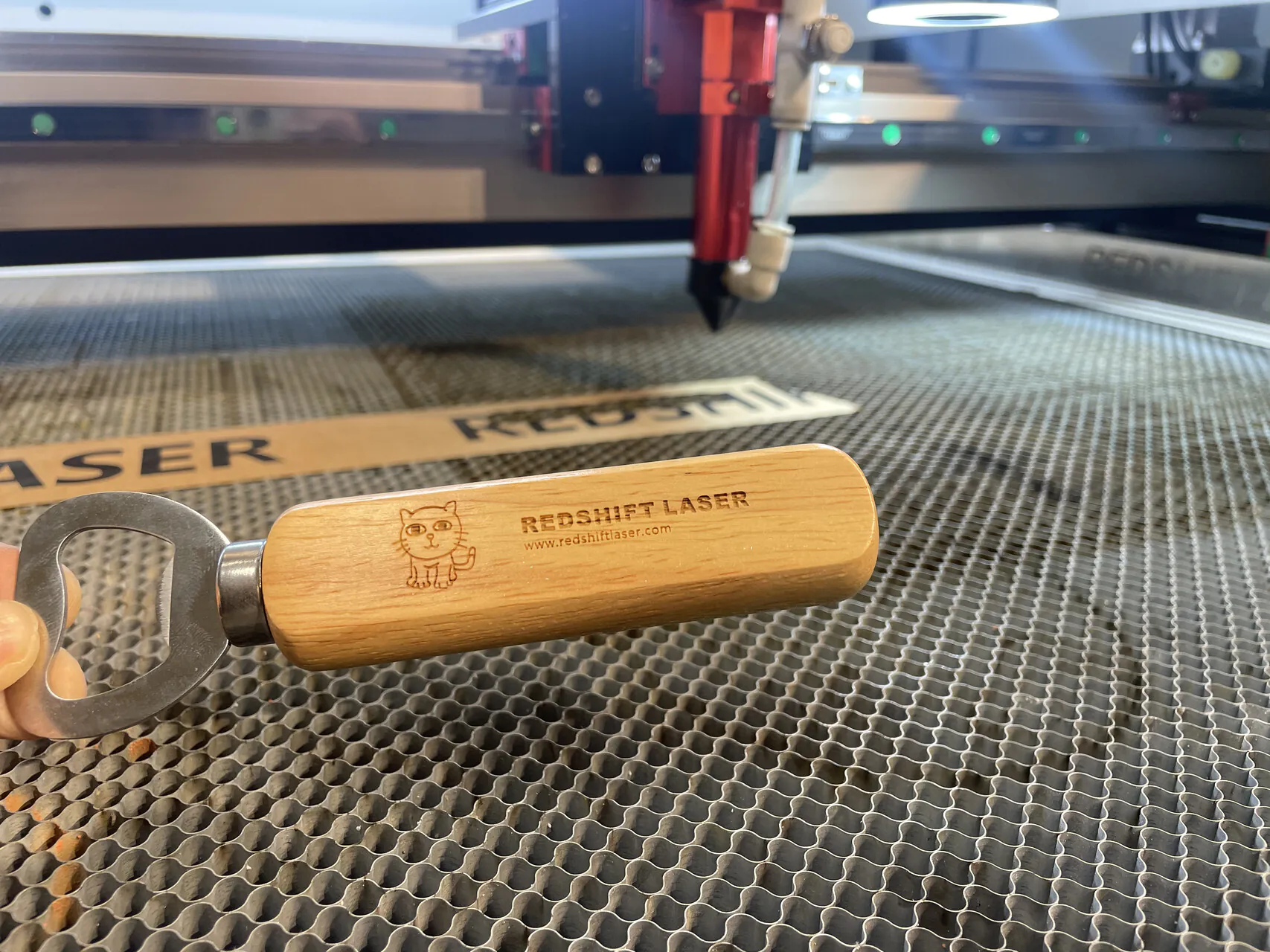
This insight became crystal clear to me when I met a client who ran a small woodworking shop. He was struggling to compete with mass-produced home décor items. His craftsmanship was excellent, but he couldn't scale. I suggested he stop selling finished products and start selling the experience of creation. We developed a line of intricate lantern kits using our laser cutters. He was no longer selling a $50 lantern; he was selling a $35 kit that offered a guaranteed beautiful result. His sales tripled. He wasn't just shipping wood; he was shipping confidence and creativity, and that's a much more profitable business.
Why Are Laser-Cut Kits a Smarter Business Model?
You are used to thinking in terms of raw material sales or large-scale production runs. The idea of selling small, pre-cut kits seems inefficient and low-value. You're focused on the cost of the wood and the machine time, missing the massive value-add that happens when you solve the customer's biggest problems: design complexity, precision, and fear of failure.
CO2 Laser-cut kits are a smarter business model because they shift the value from the raw material to the embedded design and engineering. You de-risk the project for the end-user by providing perfectly interlocking parts, eliminating the need for complex tools or advanced skills. This allows you to command a much higher margin than selling a simple sheet of plywood, turning a commodity into a high-value product solution.

For a purchasing manager like John, the numbers have to make sense. This isn't about art; it's about ROI.
1. Shifting from Commodity to Value-Added Product
The margin on a standard sheet of birch plywood is thin. However, once you laser-cut that same sheet into a precisely engineered kit for a 3D puzzle or a decorative box, its perceived value skyrockets. The customer isn't paying for the wood; they are paying for the design, the precision, and the guaranteed result.
2. De-Risking for the Customer
The biggest barrier for aspiring creators is the risk of failure—wasting expensive materials on a bad cut. A laser-cut kit removes this risk entirely. Every piece is perfect. This confidence is what enables the purchase and justifies the premium price.
3. Enabling Decentralized Manufacturing
This model empowers a new class of "prosumers" and micro-entrepreneurs (like Etsy sellers). They can now produce and sell complex products without investing in expensive machinery or learning advanced woodworking. Your business becomes the factory for thousands of smaller businesses.
Value Proposition: Raw Material vs. Engineered Kit
| Feature | Raw Plywood Sheet | Laser-Cut Kit |
|---|---|---|
| Product | Commodity | Engineered Solution |
| Customer Target | Skilled Woodworker | Hobbyist, Micro-Entrepreneur |
| Value Driver | Material Cost | Design & Guaranteed Outcome |
| Margin | Low | High |
| Barrier to Entry | Low (for sellers) | High (requires laser tech) |
What Profitable Products Can You Create with Laser-Cut Boards?
You might think the market for laser-cut kits is just small toys and trinkets. It seems too niche to build a serious business around. You're struggling to see the breadth of applications and the types of high-value products that can be produced with this model. This limits your ability to identify real, profitable market opportunities for your company.
The applications for laser-cut boards go far beyond simple crafts. Profitable markets include architectural models, intricate lighting fixtures, bespoke retail displays, custom organizational systems, and educational S.T.E.A.M. kits. The key is to identify areas where precision and complex assembly are barriers for the average user. Materials like MDF offer cost-efficiency for prototyping, while premium plywoods like birch and bamboo cater to high-end décor markets.

The choice of product and material directly impacts profitability.
1. High-Value Product Categories
- Architectural & Engineering Models: A classic high-margin application. Lasers can produce incredibly detailed and accurate scale models that are impossible to create by hand.
- Home Décor & Lighting: Complex geometric lampshades, layered wall art, and intricate seasonal decorations are very popular. The value is almost entirely in the design, not the material.
- Custom Organizers: Modular storage for workshops, retail displays, or home offices. These kits solve a practical problem with a custom-fit solution.
2. Common Laser-Friendly Board Materials
- MDF (Medium-Density Fiberboard): Inexpensive, uniform, and cuts very cleanly. It is perfect for prototypes, paintable products, and structural components.
- Birch Plywood: The go-to material for a premium, natural wood finish. It's strong, stable, and has an attractive grain, making it ideal for consumer-facing products.
- Acrylic: Not a wood, but often used alongside it. Clear, colored, or mirrored acrylic can add a modern, high-end feel to kits, especially for signage and display items.
How Do You Choose the Right Laser for a Kit-Production Business?
You understand the business model, but now you're faced with choosing the hardware. The market for laser cutters is vast and technical. You're worried about selecting a machine that is either underpowered for your production needs or overloaded with expensive features you won't use. Making the wrong choice could cripple the efficiency of your entire kit-production line before it even starts.
To choose the right laser cutter for kit production, focus on three core elements: bed size, power, and nesting software. The bed size must accommodate standard wood sheets (e.g., 4'x8' or 2'x4') to minimize material prep. A CO₂ laser of 100-150W provides the best balance of speed and cutting quality for wood up to 1/2 inch. Crucially, efficient nesting software is essential to maximize material usage and profitability.

For John, this is the critical section. It's about making a sound capital investment.
1. Bed Size: Match Your Material Supply
The biggest workflow inefficiency is pre-cutting raw materials. To avoid this, select a machine with a bed size that matches commercially available plywood sheets. This allows you to place a full sheet on the machine, run the job, and remove the finished parts. A pass-through feature is also vital for handling even larger sheets.
2. Laser Power and Type
For this application, a CO₂ laser is the only choice. The power level determines your cutting speed and thickness capacity.
- 80-100W: Good for materials up to 1/4" (6mm). A solid entry point for smaller kits.
- 130-150W: The sweet spot for a professional kit business. It cuts thicker materials efficiently and offers higher speeds on thinner boards, increasing throughput.
3. Essential Software: Nesting is Key
Nesting software is a program that automatically arranges your cut files on the virtual sheet to achieve the minimum possible material waste. A 5-10% improvement in material yield from good nesting software can translate into tens of thousands of dollars in savings per year in a production environment. Do not overlook this feature.
What Does a Safe and Successful Production Workflow Look Like?
You've selected a machine, but implementing it into a safe and efficient production line presents another challenge. You know that lasers, while powerful, are not toys. You're concerned about operator safety, fire risk, and maintaining consistent quality across thousands of kits. Without a proper workflow and safety protocols, your investment could become a liability.
A safe and successful workflow is built on three pillars: proper ventilation, rigorous machine maintenance, and a well-organized material handling process. Effective fume extraction is non-negotiable to protect operators and equipment from wood smoke and resins. Regular cleaning of optics and motion components ensures consistent cut quality, while a streamlined process for loading sheets and unloading finished kits minimizes downtime and maximizes throughput, turning your machine into a profit center.

Success is not just about the machine; it's about the ecosystem around it.
1. Safety First: Fume Extraction and Fire Suppression
Cutting wood, especially MDF which contains binders, creates significant smoke. A powerful, externally vented fume extraction system1 is a mandatory safety requirement. For added protection, an automated fire suppression system2 installed within the machine's cutting chamber is a wise investment for any business running a laser unattended or on long jobs.
2. Maintenance for Quality Control
The number one cause of declining cut quality is dirty optics3 (lenses and mirrors). The residue from wood smoke can build up and diffuse the laser's power. A simple daily and weekly cleaning schedule4 is critical to ensuring every kit you produce has the same perfect fit and finish.
3. Inspiring Examples of Success
- Etsy Store "3DWoodPuzzles5": This micro-business sells complex animal and vehicle model kits. Their value is purely in the design and precision of the laser-cut parts6.
- "Ugears Models7": A global brand built entirely on the concept of complex, all-wood mechanical model kits8. They are a prime example of scaling this business model successfully.
Conclusion
The growing popularity of laser-cut boards is not a passing craft trend; it is a signal of a major shift in manufacturing. It showcases a powerful business model where value is created not by selling raw materials, but by selling pre-engineered, guaranteed success. By leveraging laser technology, companies can transform low-margin commodities into high-value products, de-risk creativity for a new generation of builders, and establish themselves as the engine for thousands of small, decentralized businesses. For the forward-thinking enterprise, the question isn't whether to get into "DIY kits," but how to harness this model for the future of manufacturing.
Relate
FAQs
Q1: What is the main business advantage of selling laser-cut kits over raw materials?
A: The main advantage is a significant increase in profit margin. You transform a low-margin commodity (like a sheet of plywood) into a high-value, engineered product by embedding the value of design, precision, and a guaranteed successful outcome for the customer.
Q2: Who is the primary customer for a laser-cut kit business?
A: The market is much broader than just hobbyists. The primary customers are "prosumers," micro-entrepreneurs (like Etsy sellers), and small businesses who need professional, repeatable results for small-batch manufacturing without investing in their own industrial equipment.
Q3: Why is "de-risking" the project for the customer so important?
A: Fear of failure and wasting material is the biggest barrier for aspiring creators. By providing a kit with perfectly cut, interlocking parts, you eliminate this risk. This guaranteed success is a premium feature that customers are willing to pay more for.
Q4: What are the most profitable types of laser-cut kits to produce?
A: High-margin niches typically involve complex designs where precision is critical. This includes architectural models, intricate home décor (like lampshades), custom organizational systems, and educational S.T.E.A.M. kits.
Q5: What are the key features to look for in a laser cutter for kit production?
A: Three things are critical: 1) A bed size that matches standard material sheets to reduce prep work. 2) A CO₂ laser of 100-150W for efficient cutting speed and thickness. 3) Powerful nesting software to maximize material usage and minimize waste.
Q6: What is "nesting software" and why is it essential?
A: Nesting software automatically arranges the digital cut files on the material to achieve the tightest possible layout. This minimizes waste, and even a small percentage of material savings can lead to significant cost reductions and profit increases at scale.
Q7: What is the best material for making laser-cut kits?
A: It depends on the product. MDF is excellent for low-cost, paintable items and prototypes. Birch plywood is the standard for premium products with a natural wood finish. Acrylic is often used to add modern, high-value accents.
Q8: How does this model support "decentralized manufacturing"?
A: Your business becomes the central production hub for many smaller businesses. You handle the complex, capital-intensive manufacturing (cutting), allowing individuals and small companies to focus on design, marketing, and assembly.
Q9: Are there significant safety concerns with running a laser for wood cutting?
A: Yes. Cutting wood creates smoke and carries a fire risk. A professional-grade, externally vented fume extraction system is mandatory for operator safety. An automated fire suppression unit inside the laser is also a highly recommended safety investment.
Q10: Can I use the same laser for cutting wood and acrylic for my kits?
A: Yes, a CO₂ laser is excellent for cutting both wood and acrylic. This versatility allows you to create more complex, multi-material kits without needing separate machines, increasing the potential value and design appeal of your products.
-
Understanding fume extraction systems is crucial for ensuring safety in woodworking environments, especially when cutting materials like MDF. ↩
-
Exploring automated fire suppression systems can help businesses enhance safety measures and protect against fire hazards during operations. ↩
-
Understanding the impact of dirty optics can help you maintain optimal laser cutting performance. ↩
-
A well-structured cleaning schedule is essential for maintaining the quality of your laser cuts. ↩
-
Explore this link to learn effective strategies for Etsy sellers, enhancing your business success. ↩
-
Discover the fascinating process of creating laser-cut parts, which can elevate your understanding of model kit design. ↩
-
Explore this link to understand the innovative design and mechanics behind Ugears Models, enhancing your knowledge of mechanical kits. ↩
-
Discover the advantages of all-wood mechanical model kits, including sustainability and craftsmanship, by visiting this informative resource. ↩