Skip to content

Introduction
The international procurement of industrial CO₂ laser systems presents significant opportunities but also inherent risks. A diligent evaluation process is critical to mitigate these risks, ensuring the acquired asset delivers on performance promises and provides long-term value.
This guide provides a systematic framework for identifying eight critical red flags during supplier vetting. Recognizing these warning signs early can prevent costly procurement errors, operational downtime, and safety liabilities.
Red Flag 1: Lack of Transparency in Core Components
Explanation of Risk
Suppliers who are evasive about the specific brands, models, and origins of critical components—such as the laser tube, power supply, stepper/servo motors, and control board—are often using low-grade, generic parts. This lack of transparency conceals a high risk of premature failure, inconsistent performance, and significant difficulty in sourcing replacement parts, leading to prolonged and costly downtime.
Verification Steps
- Request a detailed Bill of Materials (BOM) for the specific machine model you intend to purchase.
- Insist on clear identification of the manufacturers for the laser tube (e.g., Reci, EFR, Coherent), guide rails (e.g., Hiwin), and control system (e.g., Ruida, Trocen).
- Ask for the technical data sheets for these key components to verify their specifications independently.

Red Flag 2: Absence of Essential Safety and Quality Certifications
Explanation of Risk
The absence of internationally recognized certifications like CE (Conformité Européenne), FCC (Federal Communications Commission), and particularly FDA (for laser product compliance in the US) is a major indicator of non-compliance. This poses direct safety risks to operators, creates the potential for customs seizure upon import, and can expose your organization to significant legal and financial liability.
Verification Steps
- Demand copies of all relevant certification documents for the specific machine model.
- Cross-reference the certificate number and company name with the public database of the issuing authority.
- Confirm that the certifications are current and apply directly to the product being sold, not a different model or the parent company in general.

Red Flag 3: Pricing Substantially Below Market Average
Explanation of Risk
An unrealistically low price is one of the most potent warnings. It almost invariably signals severe compromises in build quality, the use of refurbished or rejected components, non-existent quality control, or the complete absence of after-sales support. The initial savings are quickly negated by high repair costs, poor performance, and a drastically shortened operational lifespan.
Verification Steps
- Benchmark the supplier's quote against at least two other quotes from established, mid-to-high-tier manufacturers to establish a realistic market price range.
- Ask the supplier for a detailed cost breakdown to understand where savings are being made.
- Calculate the Total Cost of Ownership (TCO), factoring in potential maintenance, spare parts, and the cost of downtime, rather than focusing solely on the initial capital outlay.

Red Flag 4: Abridged or Non-Existent Warranty Periods
Explanation of Risk
A manufacturer's warranty is a direct statement of confidence in their product's reliability and durability. A warranty period of less than one year, or a policy with excessive exclusions, suggests the supplier anticipates early failures and is unwilling to bear the financial responsibility. This transfers the full risk of defects and repairs directly to you, the buyer.
Verification Steps
- Mandate a minimum 12-month comprehensive warranty as a non-negotiable term in the purchase agreement.
- Obtain a written copy of the full warranty policy and scrutinize the terms for coverage of key components, especially the laser tube and power supply.
- Clarify the process for making a warranty claim from your location, including who covers shipping costs for replacement parts.
Red Flag 5: Ambiguous or Incomplete Performance Specifications
Explanation of Risk
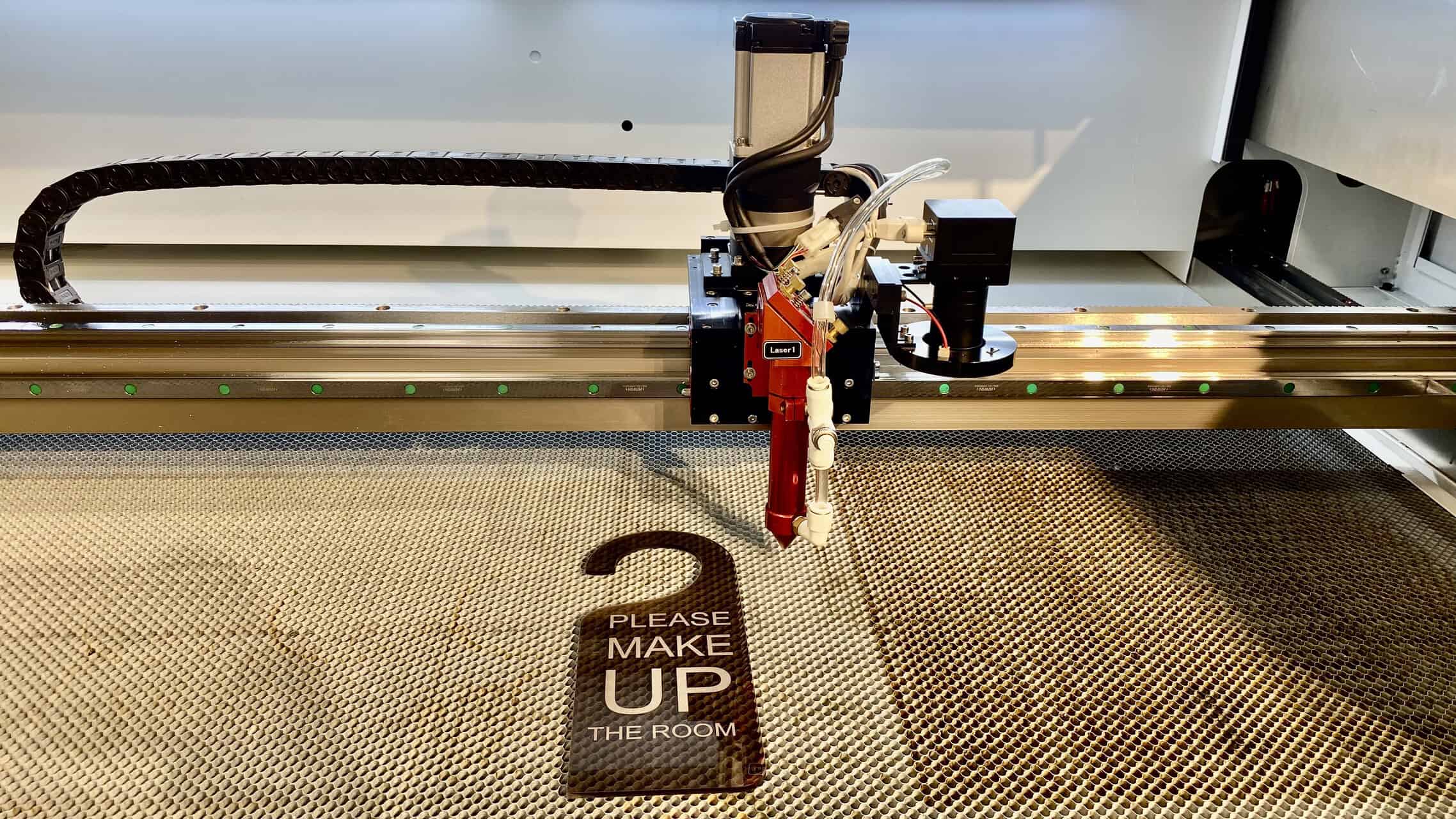
Vague specifications regarding critical performance metrics—such as true optical power output (not just input), maximum engraving and cutting speeds (in mm/s), positioning accuracy (in microns), and supported software—are used to hide performance limitations. This can result in purchasing a machine that is fundamentally incapable of meeting your production requirements.
Verification Steps
- Demand a detailed technical specification sheet that provides quantifiable data, not descriptive marketing terms.
- Request clarification on how performance metrics are measured and under what conditions.
- Ensure the listed software compatibility explicitly includes the design programs your team currently uses.
Red Flag 6: Refusal to Provide Demonstrations or Material Samples
Explanation of Risk
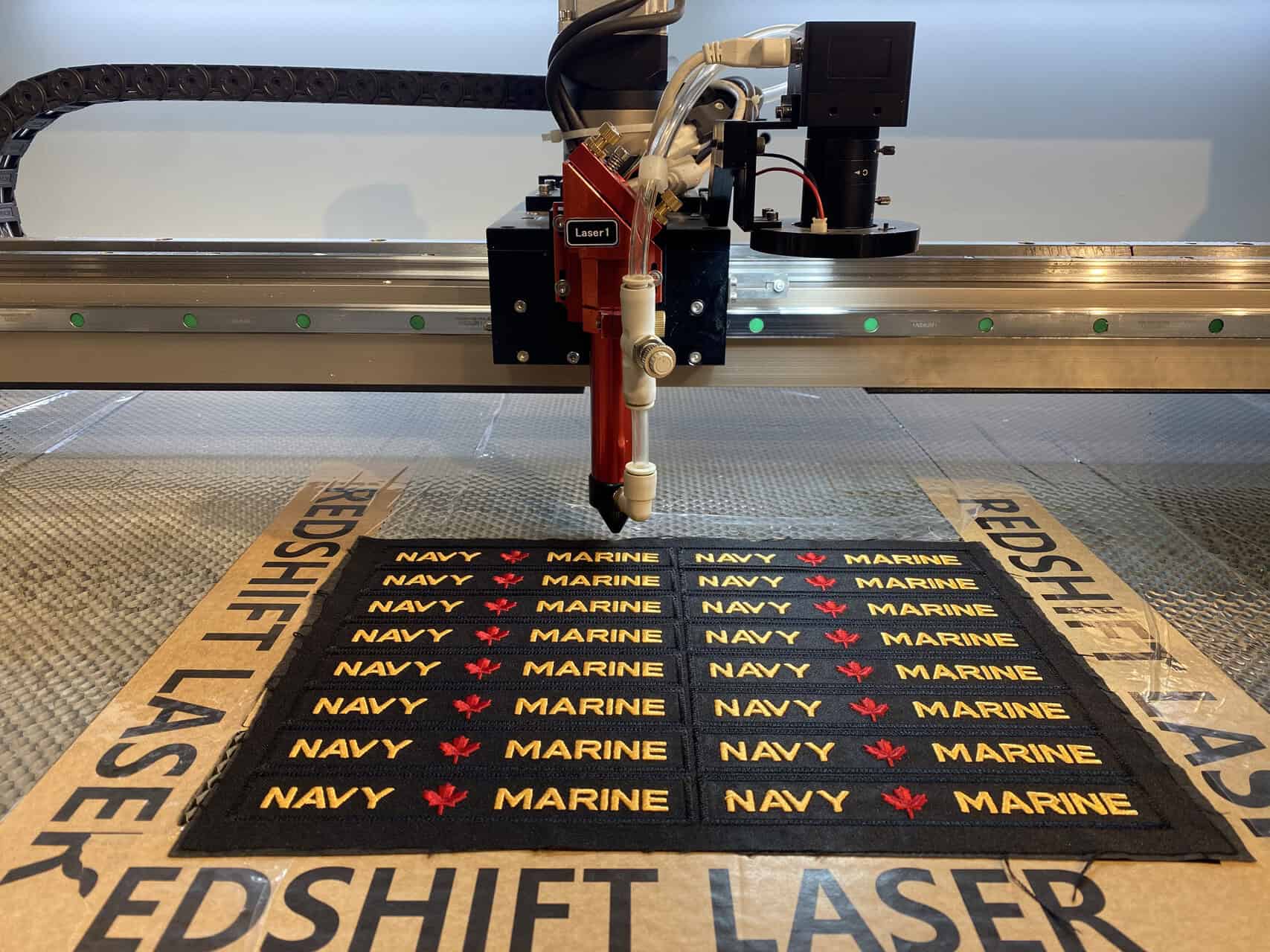
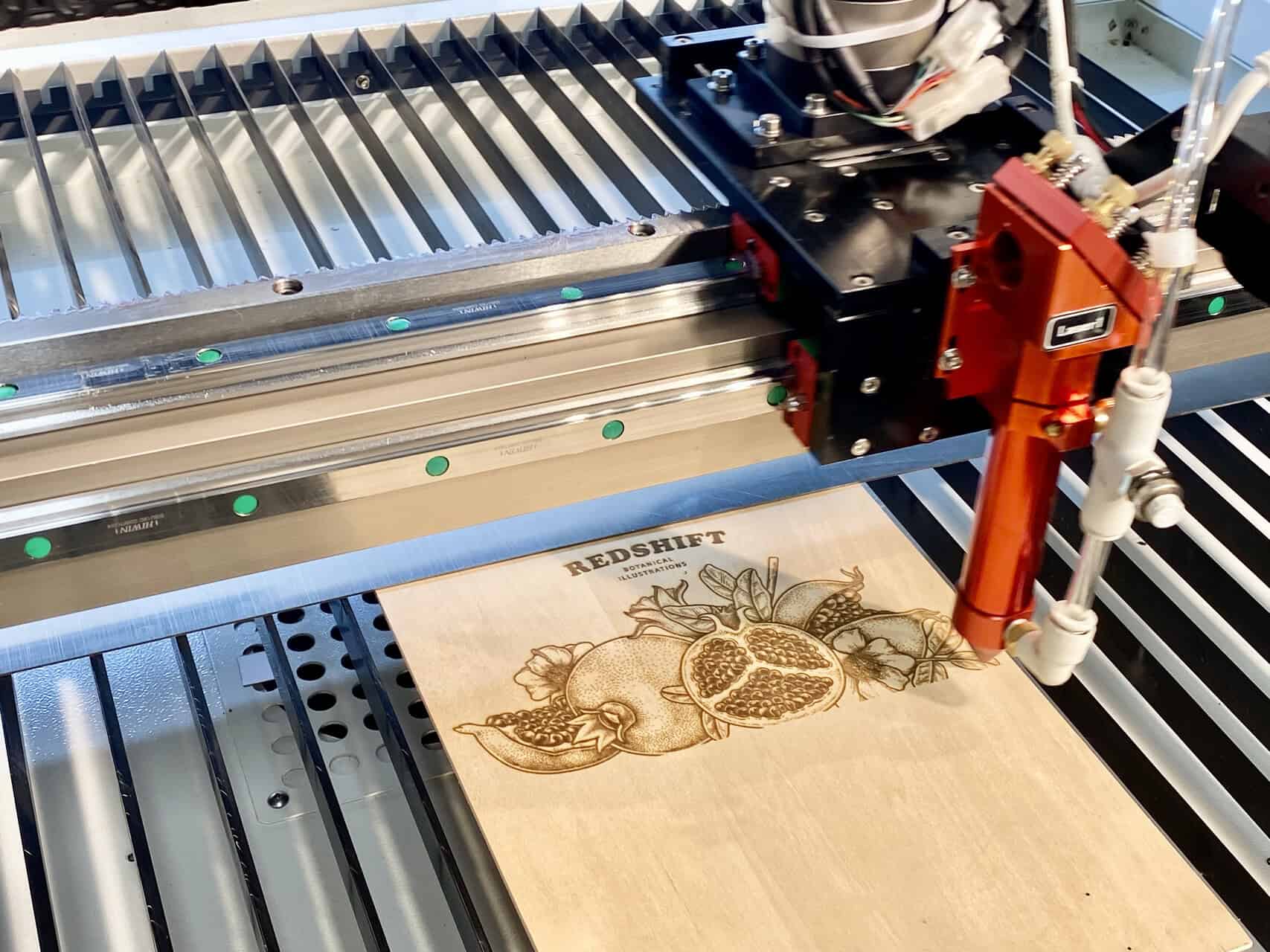
A reputable and confident supplier will always be willing to prove their machine's capabilities. A refusal to provide a live video demonstration cutting or engraving your specific material, or an unwillingness to produce and ship a physical sample based on your design file, strongly implies the machine cannot perform as advertised. They may be concealing issues like poor beam quality, axis misalignment, or software instabilities.
Verification Steps
- Provide the supplier with one of your standard design files and a small sample of your most challenging material.
- Request a live, recorded video call where they conduct the test, showing the machine setup, execution, and final result in real-time.
- If feasible, make the creation of a satisfactory physical sample a prerequisite for issuing a purchase order.
Red Flag 7: Poor Online Presence and Lack of Verifiable Reviews
Explanation of Risk
In today's market, a legitimate global supplier will have a professional, informative website and some form of verifiable market presence. An amateurish website, a lack of case studies, and an absence of independent customer reviews or testimonials on industry forums and trade platforms suggest the company may be new, unestablished, or potentially a fraudulent operation.
Verification Steps
- Conduct a thorough review of their website for professionalism, clarity, and detailed company information.
- Search for the company name on third-party B2B platforms (like Alibaba), industry forums, and social media to find independent user feedback.
- Request contact information for at least two existing international customers in a non-competing industry to serve as references.
Red Flag 8: Unprofessional Communication and High-Pressure Tactics
Explanation of Risk
This red flag pertains directly to the supplier's business ethics1 and is often a sign of a potential scam. Evasive answers to technical questions, an undue sense of urgency, demands for large upfront payments2 via unsecured methods (like Western Union or direct wire transfer without a contract), and a refusal to use protected payment platforms are tactics employed to rush a transaction before due diligence can be completed.
Verification Steps
- Insist on a formal, detailed purchase agreement or proforma invoice that outlines all terms, specifications, and deliverables before any payment is made.
- Use secure payment methods that offer buyer protection, such as a Letter of Credit (L/C) for large purchases or platform-based escrow services (like Alibaba Trade Assurance).
- Cease communication with any supplier who pressures you for immediate, full payment or cannot provide clear, professional answers to your questions.
Conclusion
In international procurement, due diligence is not an expense; it is the ultimate cost-saving measure. These eight red flags serve as a critical diagnostic tool, enabling procurement professionals to look beyond the sales pitch and assess the true quality and reliability of a potential supplier. By systematically demanding transparency, verifying credentials, and insisting on professional conduct, you shift the power dynamic in your favor. A thorough vetting process protects your investment, ensures operational safety, and is the first step in building a relationship with a supplier who is a true partner in your success, rather than a liability to your operations.
Frequently Asked Questions (FAQ)
1. What if a supplier exhibits just one of these red flags?
Even a single red flag warrants deeper investigation. While it may not be an immediate deal-breaker, it indicates a potential weakness. For example, a short warranty (Flag #4) combined with a low price (Flag #3) is a much stronger warning sign than a poor website (Flag #7) alone. Context is key.
2. How can I safely pay an overseas supplier?
Avoid unsecured payment methods like direct wire transfers for the full amount upfront. Use options with buyer protection, such as a Letter of Credit (L/C) for large sums, or an escrow service like Alibaba Trade Assurance, which holds funds until you confirm satisfactory receipt of the goods.
3. Are all low-priced machines bad?
Not necessarily, but an exceptionally low price demands exceptional scrutiny. It forces you to ask: where were costs cut? Is it in the laser tube quality, the structural integrity, customer support, or warranty? Be prepared to verify every single component and specification.
4. What is the most critical certification I should look for?
This depends on your region. The CE mark is fundamental for Europe, indicating safety compliance. For the USA, FDA certification for laser products is a legal requirement. The absence of the certification required for your specific country is a non-negotiable red flag.
5. How can I verify a supplier's reputation if there are no online reviews?
Ask for references. Request contact information for two or three international clients in a non-competing industry. A legitimate, experienced supplier will have a list of satisfied customers ready to share.
6. The supplier sent a pre-recorded video. Is that as good as a live demo?
No. A pre-recorded video can be edited, and it may not feature the exact machine configuration or material you are interested in. A live video call allows you to ask questions in real-time and request specific actions to verify the machine's true capabilities.
7. Why is transparency about component brands so important?
Known brands (e.g., Reci for tubes, Hiwin for rails) have established performance records and predictable lifespans. Unbranded components have no quality guarantee, making troubleshooting and sourcing replacements nearly impossible, leading to extended downtime.
8. What should I do if a salesperson is using high-pressure tactics?
Disengage immediately. A professional transaction should be based on technical merit and mutual trust, not artificial urgency. High-pressure tactics are a classic sign that the seller wants to close the deal before you uncover a significant flaw.
9. Can I negotiate a longer warranty period?
Absolutely. The warranty is a term of the sale and is often negotiable. If a supplier is confident in their product, they should be willing to stand behind it. Offering to pay a small premium for an extended warranty can be a wise investment.
10. Do these red flags apply to domestic suppliers as well?
Yes. While international procurement has added risks like shipping and customs, these fundamental principles of verifying quality, transparency, and business ethics apply to any significant capital equipment purchase, regardless of the supplier's location.